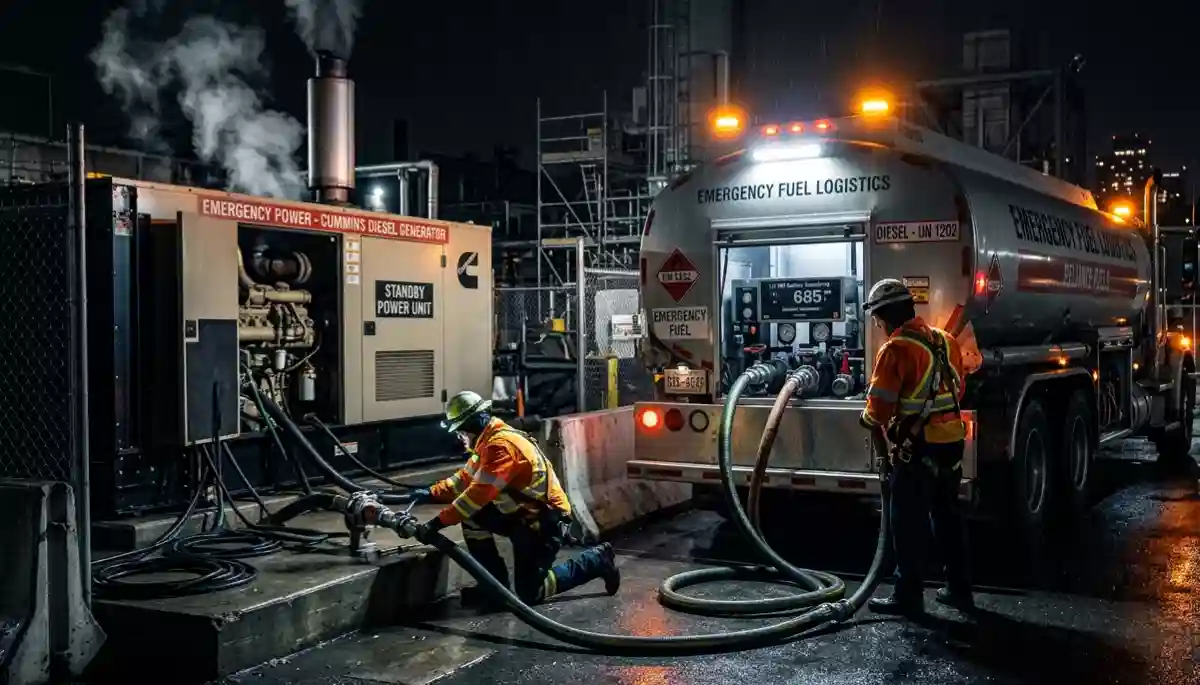
Emergency Fuel Delivery South Africa: 24/7 Urgent Supply When You Need It Most
⚡ Loadshedding-proof your business with rapid-response diesel delivery for generators, hospitals, and critical infrastructure.
The lights flicker. The backup generator sputters and dies. In that moment, whether you’re managing a data centre in Midrand, a hospital in Durban, or a security estate in Pretoria, you realize the profound value of a reliable emergency fuel delivery South Africa service. Fuel run-out isn’t just an inconvenience—it’s a potential catastrophe that can halt operations, compromise safety, and cost millions in lost revenue.
This guide is your essential resource for understanding emergency fuel logistics. We’ll cover the difference between wet hire and dry hire generator options, what to expect from a 24/7 response, and how to ensure your business is never caught without power. We’ll explore the specific needs of critical infrastructure, from hospitals to data centres, and explain the importance of metered delivery and minimum drop quantities. For a deeper understanding of regular supply, see our main diesel delivery services page.
If you’re facing a crisis right now, don’t wait. Visit our emergency fuel delivery page or contact us immediately. For planned backup solutions, explore our Services Overview.
Need Urgent Fuel? We’re Ready 24/7
Get immediate assistance from vetted emergency fuel suppliers in your area. Fast response, metered delivery, total peace of mind.
Servicing Johannesburg, Pretoria, Cape Town, Durban, and all major centres
📋 Table of Contents – Emergency Fuel Guide
⚠️ Why Emergency Fuel Delivery is Non-Negotiable for South African Businesses
South Africa’s energy landscape is uniquely challenging. With ongoing loadshedding stages and an unpredictable grid, businesses that rely on standby power cannot afford a single moment of fuel shortage. The consequences of fuel run-out extend far beyond a darkened office.
- Financial Loss: For a manufacturing plant in Germiston, even an hour of unplanned downtime can cost hundreds of thousands of Rand in lost production and spoiled materials.
- Safety Risks: Hospitals, old age homes, and security estates rely on backup power for life-safety systems. A diesel delivery for hospitals loadshedding isn’t just a service—it’s a lifeline.
- Data Integrity: Data centres house the digital backbone of our economy. An emergency refuelling service for data centres must be flawless to prevent server crashes and data corruption.
- Reputation Damage: Missed deadlines, spoiled goods, and failed service delivery due to power outages reflect poorly on your brand. Customers expect you to be prepared.
Understanding this, we’ve built our emergency protocols around speed and reliability. Learn more about our commitment on our About Us page and see why clients trust us on Benefits of Choosing Us.
⏱️ Response Times: What “24/7 Diesel Delivery Near Me” Really Means
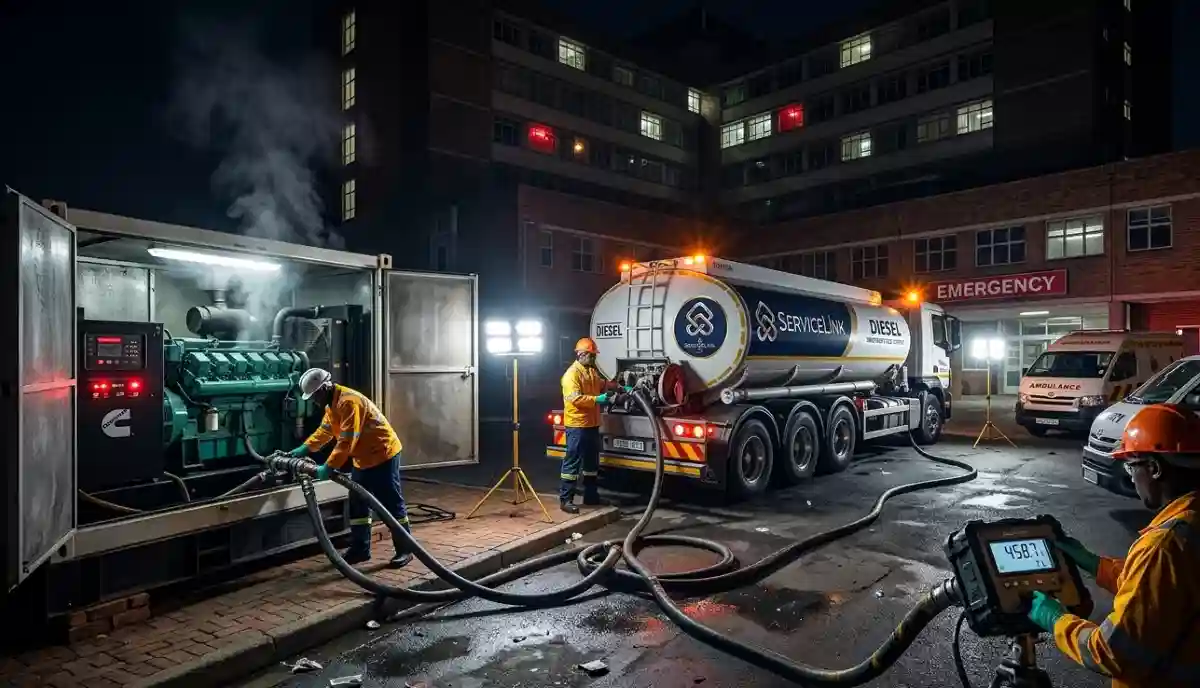
When you search for 24/7 diesel delivery near me, you’re not just looking for a supplier—you’re looking for a partner who understands urgency. Response times vary based on location, traffic, and the nature of the emergency, but a professional service should be able to provide a realistic estimated time of arrival (ETA) immediately.
In major metros like Johannesburg, Pretoria, and Cape Town, we aim for fuel delivery within 1 hour for critical calls. For areas further afield, like Polokwane or the Umhlanga coast, the logistics require more coordination, but the same sense of urgency applies. Our fleet is equipped with GPS tracking and real-time communication to keep you informed every step of the way.
The key is to have a relationship in place before the crisis hits. Registering with a reliable supplier and understanding their minimum drop quantity and after-hours protocols can save precious minutes when every second counts. This is where our How It Works guide becomes essential reading.
🏥 Critical Infrastructure: Hospitals, Data Centres & Security
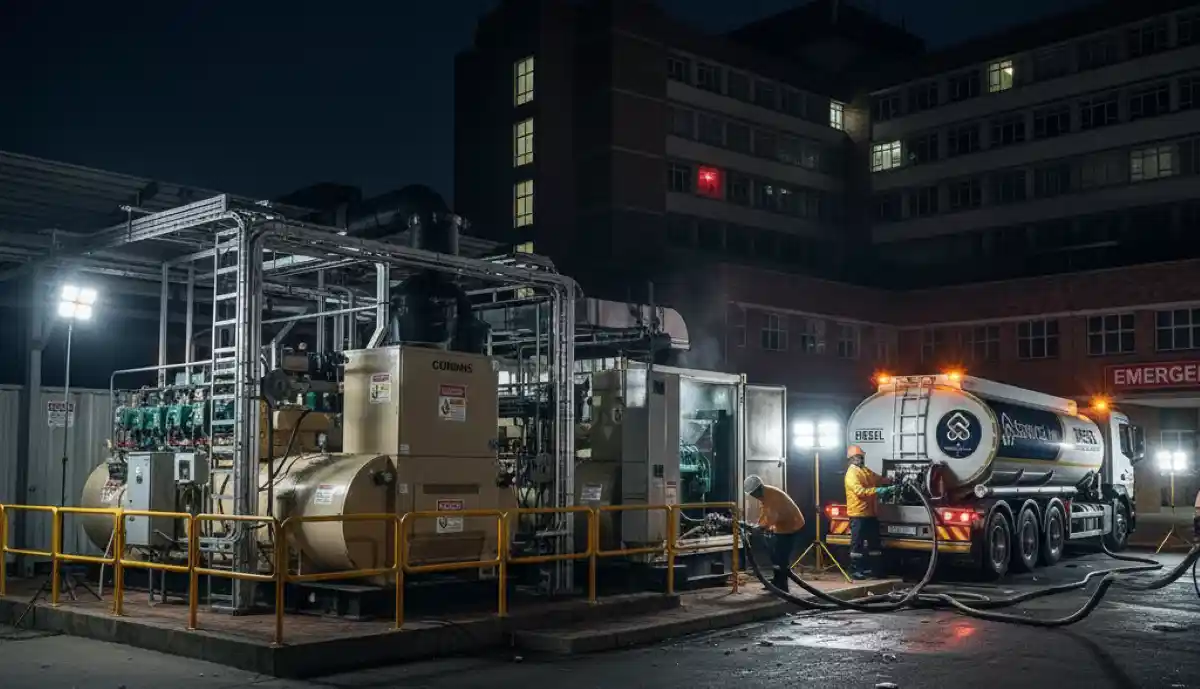
Certain facilities cannot tolerate any interruption. Their backup power systems must be treated with the highest priority. Emergency fuel delivery for these sites goes beyond simple logistics—it requires precision, communication, and an understanding of their unique operational constraints.
| Facility Type | Critical Need | Emergency Fuel Consideration | Local Service Example |
|---|---|---|---|
| Hospitals & Clinics | Life support, operating theatres, emergency lighting | Must verify fuel quality (50ppm), ensure quiet delivery hours, and have access to restricted zones. Strict infection control protocols apply. | Durban hospitals |
| Data Centres | Server uptime, cooling systems, network integrity | Require redundant supply lines, often have day tanks that need automatic refilling. Fuel polishing services may be needed to ensure stored fuel quality. | Midrand data hub |
| Security Estates | Gate motors, electric fencing, CCTV, lighting | Need discreet, secure delivery. Often require after-hours access arrangements with security personnel. | Sandton estates |
| Telecom Towers | Network coverage, emergency communications | Often in remote locations. Require 4×4 access and precise metered delivery to remote tanks. | Pretoria towers |
| Water Pump Stations | Municipal water supply, sewage treatment | Need guaranteed supply to prevent sanitation crises. Often have large storage tanks requiring high-volume deliveries. | Cape Town stations |
🔄 Wet Hire vs Dry Hire: What’s the Difference?
When securing backup power, you’ll encounter two common terms: wet hire and dry hire. Understanding the distinction is crucial for emergency planning.
- Wet Hire: The supplier provides both the generator and the fuel. This is a turnkey solution where the supplier is responsible for delivering a fully functioning system, including refuelling as needed. It’s ideal for short-term projects, events, or as an emergency stopgap while your own generator is being repaired. The cost is typically higher because it includes full service and monitoring.
- Dry Hire: You hire only the generator. You are responsible for sourcing and managing your own fuel supply through services like diesel delivery. This is common for long-term installations where you have existing fuel supply contracts and storage infrastructure.
In an emergency scenario, wet hire can be a lifesaver. You get a complete package delivered to your site, often within hours, with the supplier handling all the complexities. For businesses with existing generators, dry hire of additional capacity might be needed during extended outages, but you’ll need to coordinate urgent fuel supply for all units.
📞 What to Expect When You Request Emergency Fuel
A professional emergency delivery follows a clear protocol designed for speed and safety, especially considering regulations like those from dangerous goods transportation authorities.
- Immediate Assessment: When you call, the dispatcher will confirm your location, the type of fuel needed (diesel, petrol), the approximate quantity, and the nature of the emergency. They’ll also ask about site access, especially if it’s after hours or in a secured area like Bellville industrial.
- ETA Confirmation: You’ll receive an estimated arrival time. This is based on the nearest available emergency fuel tanker response unit and current traffic conditions.
- Arrival & Safety Check: Upon arrival, the driver will perform a site safety assessment, checking for hazards, proper access, and the condition of your fill point. They will confirm the tank contents to avoid cross-contamination, referencing fuel quality standards from Sasol and SANS specifications.
- Metered Delivery: Fuel is dispensed through calibrated meters, and you’ll receive a delivery note showing the exact volume delivered. This is metered delivery at its most transparent, ensuring you only pay for what you receive.
- Documentation & Payment: You’ll sign for the delivery, and payment is processed according to your pre-agreed terms. For new emergency clients, immediate payment may be required, but we encourage setting up an account in advance.
For more on our service guarantees, see our guarantees page.
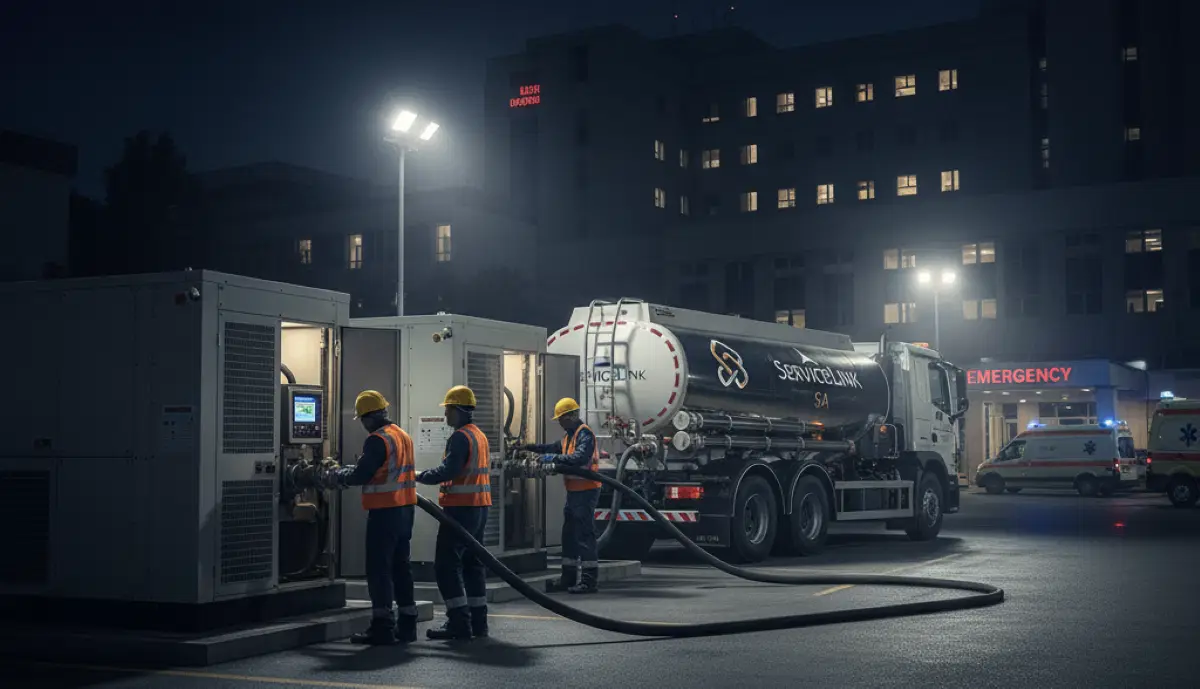
Don’t Wait for the Lights to Go Out
Set up your emergency fuel account today. Pre-register for 24/7 access, faster response, and guaranteed supply when you need it most.
Take advantage of our free site inspection to assess your generator and tank setup.
🚫 6 Common Mistakes in Emergency Fuel Planning
Don’t learn these lessons the hard way during a crisis. Avoid these common pitfalls.
- Mistake #1: Waiting Until You’re on Empty to Call. By the time your alarm sounds, it’s often too late. Monitor your tank levels with a fuel management system and set reorder alerts. The goal is to avoid the emergency entirely.
- Mistake #2: Not Verifying After-Hours Contact Procedures. Many businesses have a supplier for daytime deliveries but no clear process for nights or weekends. Ensure you have a direct number for weekend diesel delivery Pretoria or any other area you operate in.
- Mistake #3: Ignoring Fuel Quality in Stored Tanks. Diesel that sits for months can degrade, grow microbial contamination (“diesel bug”), and clog your generators. This is why regular generator fuel supply should include fuel polishing or rotation. Emergency delivery of fresh fuel won’t help if your tank is full of sludge.
- Mistake #4: Not Understanding Minimum Drop Quantities. Some suppliers have high minimums (e.g., 2,000 litres) for after-hours calls. If you only need 500 litres to top up, you might be refused or charged a premium. Confirm this in advance.
- Mistake #5: Poor Site Access for Emergency Vehicles. Overgrown gates, locked entrances without clear keyholder details, or narrow roads can delay a bowser delivery. Ensure your site is marked and accessible 24/7.
- Mistake #6: Not Having a Backup for Your Backup. If your regular emergency supplier has a fleet issue during a widespread outage (like Stage 6 loadshedding), who will you call? Having a secondary vetted supplier is prudent risk management.
💰 Understanding Emergency Fuel Pricing
Emergency fuel typically commands a premium over scheduled deliveries. This reflects the 24/7 readiness, dedicated resources, and urgency of the service. Here’s what influences the cost:
- Time of Day: After-hours, weekend, and public holiday call-outs attract higher rates. A weekend diesel delivery will cost more than a Tuesday morning top-up.
- Volume: Smaller drops (below a certain threshold) often have higher per-litres costs due to the fixed cost of dispatching a truck and driver.
- Location: Remote sites or those with difficult access may incur additional travel or access fees.
- Fuel Type: Premium 50ppm diesel is more expensive than 500ppm, reflecting its higher refinement and suitability for modern engines.
- Service Level: Wet hire packages that include generator provision and management are significantly more expensive than a simple fuel drop.
For a full breakdown of standard pricing, see our bulk fuel supply cost guide. For emergency rates, always request a clear quote upfront, including all call-out fees and per-litre charges.
✅ How to Prepare Your Business for a Fuel Emergency
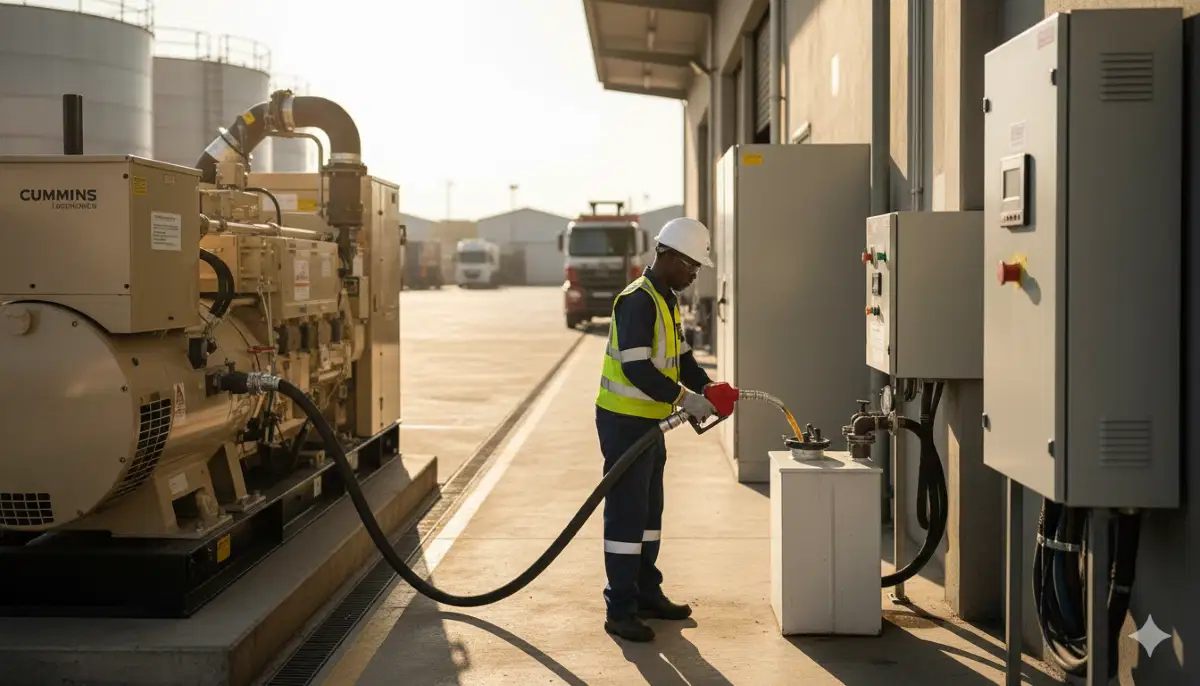
Preparation transforms a potential disaster into a manageable event. Use this checklist to ensure your business is ready.
- Establish a Relationship: Don’t meet your emergency supplier for the first time during a crisis. Set up an account, agree on terms, and understand their minimum drop quantity and response protocols in advance.
- Install Tank Monitoring: A fuel tank installation with telemetry gives you remote visibility of fuel levels. Many systems can be set to automatically trigger a refill order when fuel drops below a certain percentage.
- Know Your Consumption: Calculate your generator’s fuel consumption per hour. If you know loadshedding is Stage 4 for 6 hours, you’ll know exactly how much fuel you need to have on hand.
- Secure Your Site: Ensure emergency contact details are visible at your gate. If you’re in a security estate, brief the guards on procedures for allowing emergency fuel trucks access, especially after hours.
- Test Your Generators Regularly: A full tank is useless if the generator won’t start. Regular testing under load, as part of our generator fuel services, ensures your system is ready when needed.
- Review Your Insurance: Check your business interruption insurance. Some policies have specific requirements for backup fuel reserves. Maintain records of your deliveries and tests.
❓ Frequently Asked Questions About Emergency Fuel Delivery
How fast is emergency fuel delivery in South Africa?
Response times vary, but professional services aim for fuel delivery within 1 hour in major metros like Johannesburg, Pretoria, and Cape Town. For areas further afield, such as Polokwane or Umhlanga, times will be longer but communicated clearly upon your call. Always confirm the ETA when you request 24/7 diesel delivery near me.
What is the minimum quantity for emergency diesel delivery?
Minimum drop quantity varies by supplier, especially for after-hours calls. It can range from 500 litres to 2,000 litres. This covers the cost of dispatching a truck and driver. It’s essential to clarify this with your supplier before an emergency arises. For smaller needs, you might need to combine with a neighbour or consider a scheduled top-up.
Do you deliver to hospitals and data centres during loadshedding?
Absolutely. Diesel delivery for hospitals loadshedding and emergency refuelling service for data centres are our highest priorities. These facilities are classified as critical infrastructure, and we prioritize their calls. We coordinate closely with their engineering teams to ensure seamless refuelling without disrupting sensitive operations.
What is the difference between wet hire and dry hire for generators?
Wet hire vs dry hire is a key distinction. Wet hire means the supplier provides both the generator and the fuel—a complete turnkey solution. Dry hire means you rent only the generator and are responsible for your own fuel supply through services like diesel delivery. Wet hire is common for short-term emergencies or events.
How can I ensure my stored diesel stays usable for emergencies?
Diesel can degrade over time, developing microbial growth (“diesel bug”) and water contamination. Regular maintenance, including fuel polishing and tank cleaning, is essential. Our fuel tank cleaning maintenance services ensure your stored fuel remains at the quality standards required by Sasol and your generator manufacturer.
Do you offer weekend and after-hours diesel delivery?
Yes, we provide after hours fuel delivery and weekend diesel delivery Pretoria and nationwide. Our 24/7 service is designed for exactly these situations. However, be aware that after-hours call-outs may incur a premium over standard business-hour deliveries. It’s best to register in advance to have your details and access instructions on file.
What safety regulations apply to emergency fuel delivery?
Emergency fuel delivery is governed by strict regulations, including SANS codes for dangerous goods transportation and local bylaws, such as those from Cape Town fire safety. Our drivers are trained in hazardous material handling, and our trucks are equipped with spill kits and safety signage to ensure compliance and protect your site.
Can you deliver to security estates with access control?
Yes, we regularly deliver to security estates in Sandton, Midrand, and beyond. To ensure smooth access, we need estate management to provide clear instructions for guards, including pre-approving our vehicle details and providing after-hours contact numbers. This is part of our contractor access protocol.
✅ Your Emergency Fuel Preparedness Action Plan
In a country where power outages are a daily reality, emergency fuel delivery South Africa is not a luxury—it’s a necessity for business continuity. The difference between a minor inconvenience and a major crisis often comes down to preparation.
Key takeaways:
- Emergency fuel is about speed, reliability, and expertise—not just the product.
- Critical infrastructure like hospitals and data centres require specialized protocols.
- Understanding wet hire vs dry hire helps you choose the right solution.
- Preparation—monitoring, maintenance, and pre-registration—is your best defence.
- Always verify your supplier’s credentials, insurance, and safety compliance. Our contractor’s liability insurance page explains why this matters.
Your 5-Step Emergency Action Plan
- Register Today: Don’t wait for the crisis. Request a quote and set up your account with a vetted emergency fuel supplier.
- Audit Your Site: Ensure your tank and generator are in good working order. Book a free inspection to identify any issues.
- Know Your Numbers: Calculate your generator’s hourly consumption and your required reserve. Set up a fuel management system to track levels remotely.
- Communicate with Your Team: Ensure key personnel know the emergency procedure, who to call, and how to grant site access.
- Review and Test: Regularly test your generators and review your fuel contract to ensure it still meets your needs. Consider our beat-your-quote guarantee to ensure you’re getting competitive rates.
Be Prepared, Not Panicked
Register for 24/7 emergency fuel delivery today. Get priority response, transparent pricing, and total peace of mind.
📞 For immediate emergencies, call our 24/7 hotline: 073 138 4726
📚 Official resources & standards referenced:
- NRSA (National Rationalised Specifications Association) – Loadshedding stages and critical supply protocols.
- City of Cape Town Fire & Safety – Regulations for dangerous goods transportation.
- Sasol – Fuel quality standards and specifications.
Information is for general guidance. For specific advice, consult a qualified professional.
Written by: ServiceLink SA Research Team
Industry analysts with 15+ years in energy, logistics, and emergency response management.
Our team has coordinated emergency fuel responses for hospitals, data centres, and industrial facilities through multiple national crises. This guide reflects our commitment to helping South African businesses stay operational no matter what.
For more detailed information, explore our related guides: bulk fuel supply cost to understand pricing, generator fuel supply for dedicated backup power solutions, and diesel delivery services for scheduled supply. Our tank installation and fuel management systems pages are also relevant for long-term preparedness. See our service areas page for coverage in your region, including Gauteng, Durban, and Cape Town. If you’re looking for a career in this essential industry, visit our careers page.