
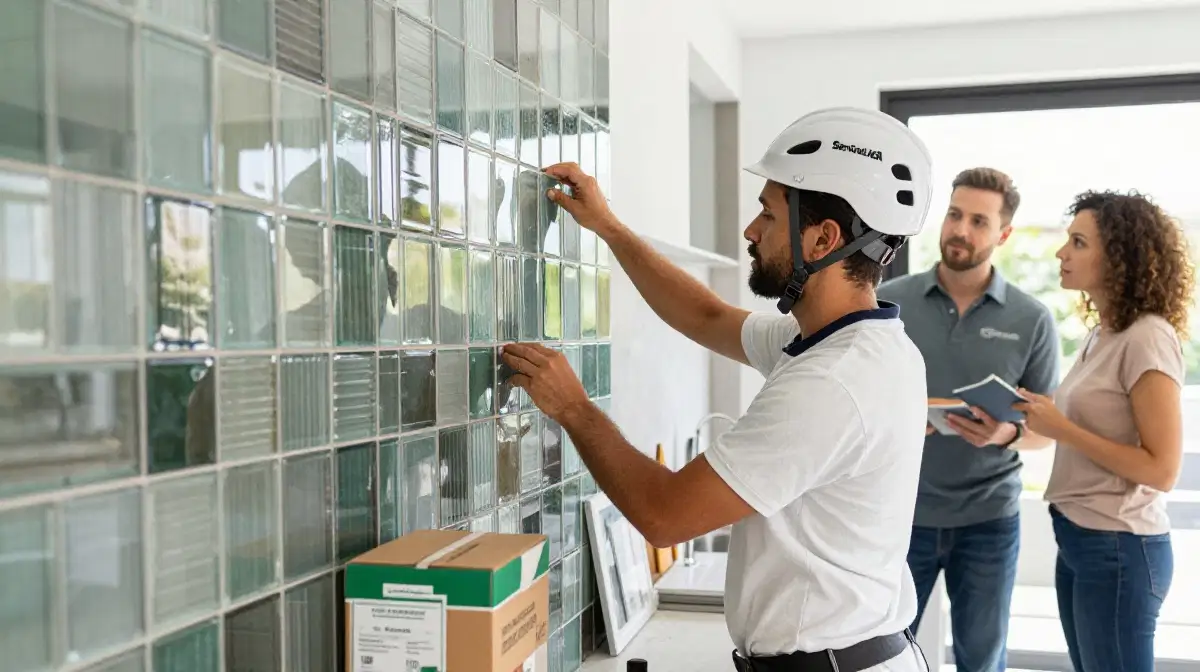
Looking for Sustainable Tiling?
Get free quotes from verified tiling specialists who offer sustainable tiles and green tiling solutions for your home.
Servicing Western Cape, Cape Town, Stellenbosch, and across South Africa
Eco-Friendly Tiles South Africa: Recycled & Sustainable Options
🌍 Beautiful floors that don’t cost the earth – the complete guide to sustainable tiling
You want beautiful tiles for your home. But you also care about the planet. You’ve heard about recycled glass tiles, sustainable manufacturing, and green building materials – but where do you start? And can environmentally friendly tiles really compete with traditional options?
I’ve worked with eco-conscious homeowners across the Western Cape, from Cape Town to Stellenbosch, who want beautiful homes without the environmental guilt. The good news? Eco friendly tiles south africa recycled options have come a long way. Today’s sustainable tiles are stunning, durable, and often more affordable than you think.
In this complete guide to green tiling, I’ll answer best eco friendly recycled tiles in south africa across every category. You’ll learn about recycled glass tiles, sustainable porcelain, reclaimed materials, and natural alternatives. You’ll discover how to identify genuinely sustainable tiles, what certifications to look for, and how to balance eco-friendliness with durability and cost. By the end, you’ll be ready to choose beautiful, responsible flooring for your home.
For more tile comparisons, check out our guides on glass tiles guide, cement vs ceramic tiles, sustainable building guide, and eco-friendly tiles guide.
📋 Table of Contents – Eco-Friendly Tiles Guide
🌍 Why Choose Eco-Friendly Tiles?
Green tiling offers multiple benefits beyond environmental responsibility:
Environmental Benefits:
- Reduces waste: Recycled glass tiles divert waste from landfills
- Conserves resources: Less mining for virgin materials
- Lower carbon footprint: Some manufacturers use renewable energy
- Non-toxic: No VOCs or harmful chemicals – better indoor air quality
- Biodegradable options: Natural materials return to earth
Practical Benefits:
- Durable: Many eco-tiles are extremely hard-wearing
- Unique appearance: Recycled materials create one-of-a-kind patterns
- Increases home value: Green features attract eco-conscious buyers
- Tax incentives: Some green building materials qualify for rebates – check energy.gov.za
- Healthier home: No off-gassing from natural and recycled materials
According to SANS 10400 green building standards, sustainable materials are increasingly recognised in building regulations.
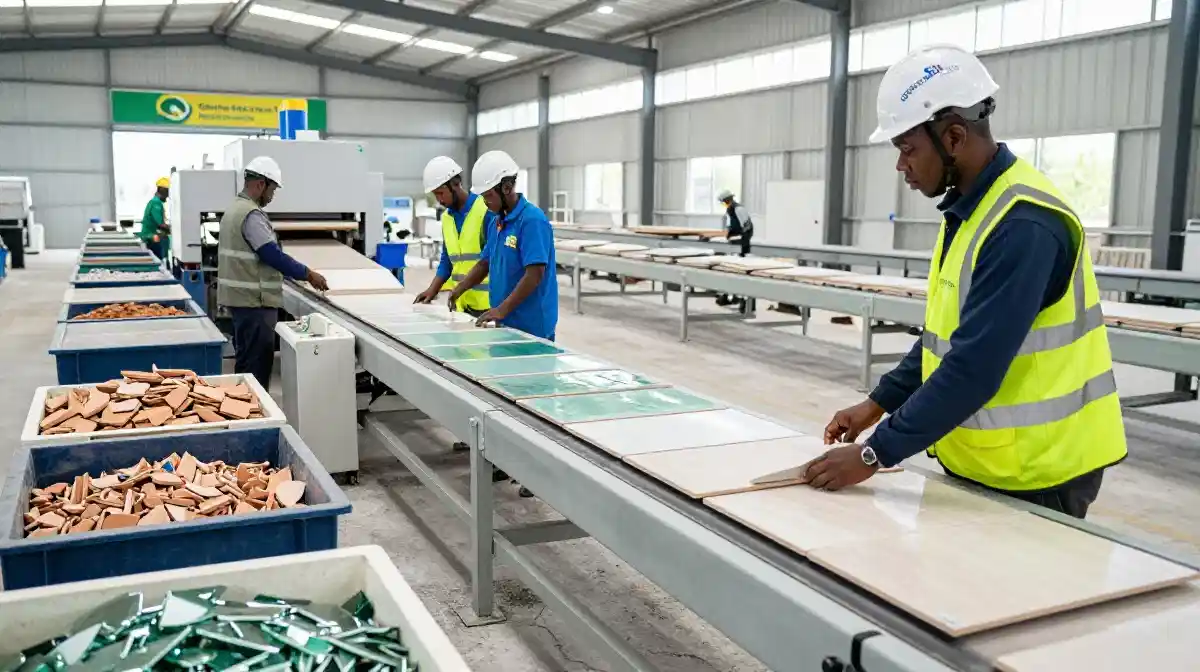
🔄 Recycled Glass Tiles – Beautiful & Sustainable
Recycled glass tiles are among the most popular eco friendly tiles south africa recycled options:
What Are Recycled Glass Tiles?
Made from post-consumer glass (wine bottles, windows, jars) crushed and reformed into beautiful tiles. Typically contains 70-100% recycled content.
Benefits:
- ✓ Stunning appearance – light-reflective, vibrant colours
- ✓ Non-porous – waterproof, stain-resistant, no sealing needed
- ✓ Extremely durable – won’t fade or deteriorate
- ✓ Easy to clean – wipe with glass cleaner
- ✓ Recyclable at end of life
- ✓ Available in mosaics, subway, and larger formats
Considerations:
- ✗ Higher cost than ceramic (R400-1,000/m²)
- ✗ Can be slippery when wet – choose textured finishes for floors
- ✗ Requires special installation (white thinset, unsanded grout)
Best Applications:
- Kitchen backsplashes
- Bathroom walls and shower surrounds
- Feature walls and accent areas
- Pool surrounds (with textured finish)
For complete guidance, read our glass tiles guide.
🏺 Sustainable Porcelain & Ceramic Tiles
Not all porcelain is created equal – look for these sustainable tiles features:
What Makes Porcelain Sustainable?
- Recycled content: Some manufacturers use recycled ceramic waste (10-40%)
- Low-energy firing: Advanced kilns use less energy
- Water recycling: Closed-loop water systems in manufacturing
- Locally manufactured: Reduced transport emissions – support SA manufacturers
- Long lifespan: Porcelain lasts 30-50+ years – rarely needs replacement
Sustainable Porcelain Brands in SA:
- Look for locally manufactured tiles (reduced transport footprint)
- Ask suppliers about recycled content and manufacturing practices
- Check for ISO 14001 environmental management certification
Benefits of Porcelain:
- Extremely durable – perfect for high-traffic areas
- Low maintenance – no sealing required
- Water-resistant – ideal for bathrooms and kitchens
- Available in stone, wood, and concrete looks
For more on porcelain, read our tile type comparison chart.

Ready to Go Green with Your Tiling?
Get free quotes from verified tiling specialists who offer eco friendly tiles south africa recycled options and sustainable installation practices.
Free inspections available. Benefits of choosing us.
🪨 Reclaimed & Natural Stone Tiles
Natural stone can be sustainable when sourced responsibly:
Sustainable Stone Options:
- Reclaimed stone: Salvaged from demolished buildings – most eco-friendly option
- Locally quarried: Reduced transport emissions – support SA quarries
- Offcuts and remnants: Smaller tiles made from larger offcuts
- Rapidly renewable: Some stones like travertine are abundant
Benefits of Natural Stone:
- ✓ Unique, timeless appearance
- ✓ Durable and long-lasting
- ✓ Can be refinished rather than replaced
- ✓ Natural material – no manufacturing emissions
- ✓ Adds significant home value
Considerations:
- ✗ Requires sealing (natural stone is porous)
- ✗ Higher maintenance than porcelain
- ✗ Mining has environmental impact – choose reclaimed or local
Most Sustainable Stone Choices:
- Reclaimed slate: From old farmhouse roofs and buildings
- Locally sourced sandstone: Abundant in SA, less transport
- Travertine: Abundant resource, naturally forming
🎨 Cement and Encaustic Tiles – Natural & Durable
Cement tiles are making a comeback as an environmentally friendly option:
Why Cement Tiles Are Eco-Friendly:
- Made from natural materials (cement, marble dust, mineral pigments)
- No glazes or chemicals – all-natural
- Low-energy manufacturing (no high-temperature firing)
- Biodegradable at end of life
- Handmade – supports artisans
Benefits:
- ✓ Endless pattern possibilities – custom designs available
- ✓ Colour goes through tile – won’t wear away
- ✓ Beautiful matte, textured finish
- ✓ Extremely durable – lasts 50+ years
- ✓ Develops beautiful patina over time
Considerations:
- ✗ Requires sealing (porous)
- ✗ Heavier than ceramic (15-20mm thick)
- ✗ Higher maintenance than glazed porcelain
For more on cement tiles, read our cement vs ceramic tiles guide.
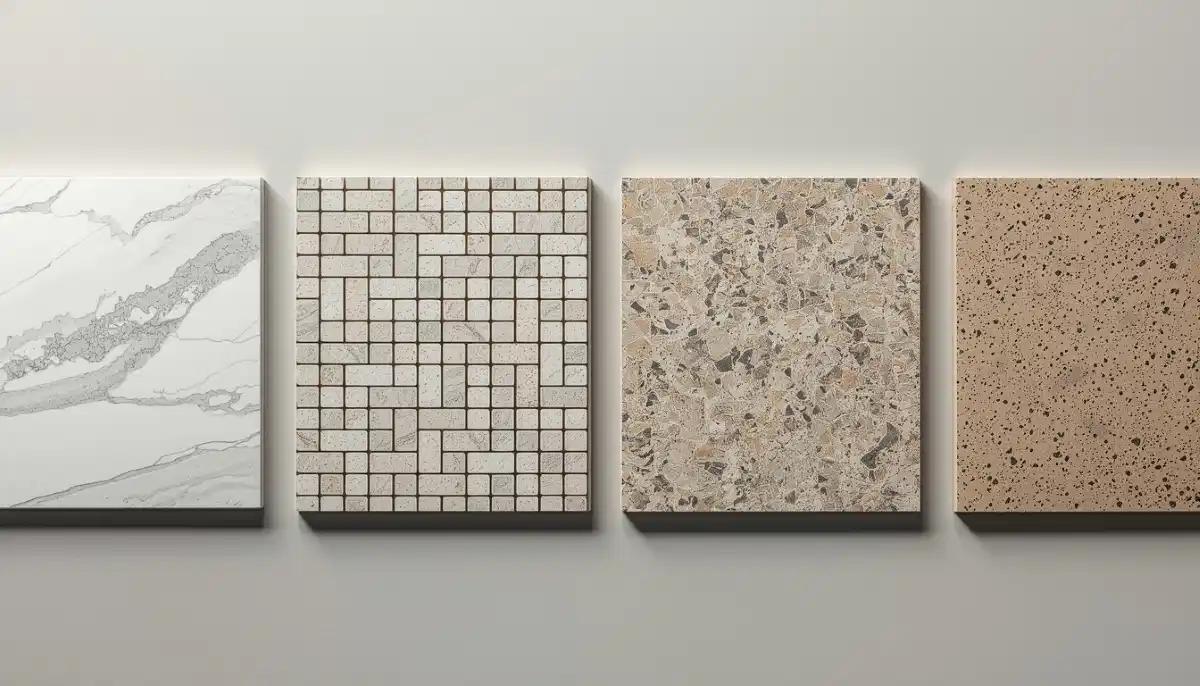
📜 Green Certifications – What to Look For in Sustainable Tiles
Verify the eco-credentials of your green tiling with these certifications:
| Certification | What It Means | What to Look For |
|---|---|---|
| ISO 14001 | Environmental management system | Manufacturer has certified environmental practices |
| LEED | Leadership in Energy & Environmental Design | Tile contributes to LEED points for green buildings |
| GreenTag | Australian/International eco-label | Product meets strict environmental standards |
| Recycled content claim | Percentage of recycled material | Look for 40-100% post-consumer recycled content |
| Local manufacturing | Reduced transport emissions | “Made in South Africa” label |
| Low VOC | Low volatile organic compounds | Better indoor air quality – no harmful off-gassing |
Questions to Ask Suppliers:
- “What percentage of recycled content do your tiles contain?”
- “Where are your tiles manufactured?” (local reduces transport emissions)
- “Do you have any environmental certifications?”
- “What happens to manufacturing waste?”
- “Are your packaging materials recyclable?”
For green building standards, refer to SANS 10400 green building standards.
📊 Eco Tile Comparison Table – Find Your Perfect Environmentally Friendly Match
| Tile Type | Eco-Rating | Recycled Content | Durability | Cost/m² | Best For |
|---|---|---|---|---|---|
| Recycled Glass | ⭐⭐⭐⭐⭐ | 70-100% | Excellent | R400 – R1,000 | Backsplashes, walls, accents |
| Sustainable Porcelain | ⭐⭐⭐⭐ | 10-40% | Excellent | R250 – R600 | Floors, high-traffic areas |
| Cement/Encaustic | ⭐⭐⭐⭐ | 0% (natural) | Good | R500 – R1,200 | Patterned floors, feature areas |
| Reclaimed Stone | ⭐⭐⭐⭐⭐ | 100% (salvaged) | Excellent | R400 – R1,000 | Period homes, rustic styles |
| Locally Quarried Stone | ⭐⭐⭐ | 0% (virgin) | Excellent | R500 – R1,500 | Luxury, natural look |
| Standard Ceramic | ⭐⭐ | 0-5% | Good | R120 – R300 | Budget projects (less eco) |
Top Recommendation for Eco-Conscious Homeowners: Recycled glass tiles offer the highest recycled content and stunning appearance. For floors, choose sustainable porcelain with recycled content.

🛒 Where to Buy Eco-Friendly Tiles in South Africa
Sources for best eco friendly recycled tiles in south africa:
Specialist Eco Suppliers:
- Look for tile shops advertising “sustainable”, “recycled”, or “green” ranges
- Ask about recycled glass tile collections
- Check for locally manufactured options (reduced transport emissions)
Architectural Salvage Yards:
- Reclaimed tiles from demolished buildings – most sustainable option
- Unique, vintage tiles you won’t find elsewhere
- Often very affordable
Online Marketplaces:
- Facebook Marketplace, Gumtree – homeowners selling leftover tiles
- Reuse and recycle – keeps tiles out of landfills
Direct from Manufacturers:
- Contact local tile manufacturers directly
- Ask about factory seconds or offcuts
- Inquire about recycled content options
Eco-Conscious Tilers: When you hire through ServiceLink SA, ask tilers about their experience with sustainable materials. Read our contractor guide.
🔧 Green Installation Tips for Sustainable Tiles
Make your entire project environmentally friendly with these tips:
Eco-Friendly Installation Practices:
- Low-VOC adhesives: Use water-based, low-VOC thin-set adhesives
- Low-VOC grout: Choose epoxy or polymer-modified grouts with low emissions
- Minimise waste: Plan layout carefully – buy only what you need
- Recycle waste: Take tile offcuts to recycling centres
- Reuse packaging: Cardboard boxes can be recycled or reused
- Donate extras: Leftover tiles can go to habitat restoration projects
- Choose local tilers: Reduced travel emissions – read our Western Cape tilers
Sealing and Maintenance:
- Use water-based, low-VOC sealers for natural stone and grout
- Clean with eco-friendly, biodegradable tile cleaners – read cleaning guide
- Avoid harsh chemicals that harm the environment
For more on sustainable building, read our sustainable building guide.
💰 Eco Tile Cost Guide
Here’s what you can expect to pay for eco friendly tiles south africa recycled options:
| Tile Type | Material Cost/m² | Installation/m² | Total Installed/m² | Eco-Premium |
|---|---|---|---|---|
| Recycled Glass | R400 – R1,000 | R250 – R400 | R650 – R1,400 | +50-100% vs ceramic |
| Sustainable Porcelain | R250 – R600 | R180 – R250 | R430 – R850 | +10-20% vs standard |
| Cement/Encaustic | R500 – R1,200 | R250 – R400 | R750 – R1,600 | +100-200% vs ceramic |
| Reclaimed Stone | R400 – R1,000 | R250 – R400 | R650 – R1,400 | Varies widely |
| Locally Quarried | R500 – R1,500 | R250 – R400 | R750 – R1,900 | +50-150% vs ceramic |
Example Project Costs:
- Small bathroom walls (15m²) with recycled glass: R9,750 – R21,000
- Kitchen backsplash (4m²) with recycled glass: R2,600 – R5,600
- Living room floor (30m²) with sustainable porcelain: R12,900 – R25,500
For a complete breakdown of tile costs, read our tile installation cost per square meter guide.
❓ Frequently Asked Questions About Eco-Friendly Tiles
What are the best eco friendly recycled tiles in South Africa?
The best eco friendly recycled tiles in south africa are recycled glass tiles (70-100% post-consumer content) for walls and backsplashes, and sustainable porcelain with recycled content (10-40%) for floors. For natural looks, reclaimed stone or locally quarried tiles are excellent options. Cement/encaustic tiles offer natural materials without high-temperature firing. Read our glass tiles guide for more.
Are recycled glass tiles durable?
Yes – recycled glass tiles are extremely durable. They’re non-porous, stain-resistant, waterproof, and won’t fade over time. They’re harder than ceramic and comparable to porcelain. However, they can scratch and are not recommended for floors (can be slippery). For walls and backsplashes, they’re an excellent, long-lasting sustainable tiles choice.
How can I tell if a tile is genuinely eco-friendly?
Look for: recycled content percentage (higher is better), local manufacturing (reduced transport emissions), ISO 14001 certification, low-VOC labels, and transparent manufacturing practices. Ask suppliers for documentation. Avoid vague “green” claims without evidence. Genuinely environmentally friendly products will have verifiable credentials – read our sustainable building guide.
Are eco-friendly tiles more expensive?
Generally, yes – green tiling options cost 20-100% more than standard ceramic tiles. Recycled glass: R400-1,000/m² vs standard ceramic R120-300/m². Sustainable porcelain: R250-600/m² vs standard R150-250/m². However, many eco-tiles last longer and add home value, offsetting the higher upfront cost. For budget-conscious green options, look for reclaimed tiles or locally manufactured porcelain.
Can I recycle old tiles?
Yes – old ceramic and porcelain tiles can be crushed and used as aggregate in concrete, road base, or drainage material. Some recycling centres accept tiles. Alternatively, donate usable tiles to architectural salvage yards or list them online – someone may reuse them. Never send tiles to landfill if they can be recycled or reused. Check with your local waste management facility for options.
What’s the most sustainable tile for bathroom floors?
For bathroom floors, sustainable porcelain with recycled content is the best environmentally friendly choice. It’s waterproof, durable, low-maintenance, and available with 10-40% recycled material. Recycled glass is too slippery for floors. Natural stone requires sealing and higher maintenance. Cement tiles are porous – need regular sealing. For the best eco-bathroom floor, choose sustainable porcelain with matte finish.
Are cement tiles eco-friendly?
Yes – cement (encaustic) tiles are relatively eco-friendly. They’re made from natural materials (cement, marble dust, mineral pigments), require no high-temperature firing (low energy), contain no glazes or chemicals, and are biodegradable. However, they’re porous and require sealing. They also weigh more than ceramic, increasing transport emissions. Overall, they’re a good sustainable tiles option, especially when purchased locally.
Where can I buy eco-friendly tiles in Cape Town or Stellenbosch?
In the Western Cape, many tile shops offer eco-friendly ranges. Look for recycled glass tile collections, sustainable porcelain, and locally manufactured options. Ask suppliers about recycled content and manufacturing practices. Architectural salvage yards in Cape Town and Stellenbosch often have reclaimed tiles. For professional installation, use ServiceLink SA to find eco-conscious tilers in the Western Cape.
✅ Final Thoughts: Beautiful Floors, Cleaner Planet
Choosing eco friendly tiles south africa recycled options doesn’t mean sacrificing style or durability. Recycled glass tiles offer stunning, unique backsplashes. Sustainable porcelain provides durable, low-maintenance floors. Reclaimed stone adds character and history. And cement tiles bring artisan patterns with natural materials.
The most sustainable choice? Use what already exists – reclaimed tiles or leftovers from other projects. Next best: recycled content (glass or porcelain). Next: natural materials with low manufacturing impact (cement, local stone). And always: buy local to reduce transport emissions, install with low-VOC products, and recycle waste.
Key takeaways for eco-friendly tiling:
- Recycled glass tiles (70-100% recycled) – best for walls and backsplashes
- Sustainable porcelain with recycled content – best for floors
- Cement/encaustic tiles – natural materials, no high-temperature firing
- Reclaimed stone – most sustainable, unique character
- Look for certifications: ISO 14001, recycled content claims, local manufacturing
- Use low-VOC adhesives, grout, and sealers for green installation
- Buy local – reduced transport emissions – support SA manufacturers
- Recycle tile waste and donate usable leftovers
Your next step: Ready to make your home beautiful and sustainable? Get free quotes from verified tiling specialists who offer green tiling solutions and sustainable tiles for your project.
Ready to Choose Eco-Friendly Tiles?
Get free quotes from verified tiling specialists who offer eco friendly tiles south africa recycled options and sustainable installation practices.
📞 Call us: 073 138 4726 to discuss your sustainable tiling project.
Are You a Tiling Professional?
Join ServiceLink SA’s network of verified tiling contractors. Get qualified leads for eco-friendly and sustainable tiling projects.
📚 Official resources & standards referenced:
- SANS 10400 – South African National Standard for green building standards and sustainable construction guidelines.
- Department of Energy – Sustainability guidelines and energy efficiency recommendations for buildings.
Information provided for general guidance. Always verify eco-claims with suppliers and look for third-party certifications.
Written by: ServiceLink SA Research Team
Sustainable Building & Eco-Design Specialists
The ServiceLink SA Research Team is committed to helping South African homeowners make environmentally responsible choices. Our team researches sustainable materials, recycled content claims, and green manufacturing practices. We work with eco-conscious tilers and suppliers across the Western Cape to identify genuinely sustainable tiles. This guide reflects our commitment to both beautiful design and planetary health – helping you create a home that’s good for you and good for the earth.
For more information about eco-friendly tiling, explore our related resources: glass tiles guide, cement vs ceramic tiles, sustainable building guide, and eco-friendly tiles guide. Learn about our process on what is ServiceLink SA and how our service works. Find tilers in your area: Western Cape, Cape Town, and Stellenbosch. For related services, see our building construction and cleaning services guides.