

Tiles Looking Dull or Dirty?
Get free quotes from verified tile maintenance cleaning specialists who can restore your tiles to like-new condition.
Servicing Gauteng, Johannesburg, Sandton, and across South Africa
Best Tile Cleaning Methods for Homes: Keep Your Tiles Like New SA
🧹 From daily sweeping to deep cleaning – the complete guide to tile care
You’ve invested thousands in beautiful tiles. But after a few months, they look dull. Grout lines are darkening. That spilled red wine left a stain. You wonder: “Am I cleaning these wrong? Is there a better way?”
I’ve seen it happen too many times across Gauteng, from Johannesburg to Sandton. Homeowners using the wrong cleaners – vinegar on marble, bleach on grout, wax on porcelain – damaging the very surfaces they’re trying to protect. The truth is, different tiles need different care. What works for ceramic destroys natural stone. What cleans porcelain can damage unsealed grout.
In this complete guide to best tile cleaning methods, I’ll answer what is the best way to clean tile floors for every tile type. You’ll learn daily maintenance routines, weekly deep cleaning techniques, how to remove stubborn stains, and what products to use – and which to avoid. By the end, you’ll know exactly how to keep your tiles beautiful for decades.
For more tile care advice, check out our guides on tile maintenance tips, removing stains from tile and grout, tile sealing guide, and restoring old tile floors.
📋 Table of Contents – Tile Cleaning Methods Guide
🧹 Daily and Weekly Maintenance for Tile Floors
Consistent tile care prevents dirt buildup and keeps floors looking new:
Daily (or every other day):
- Sweep or vacuum: Use a soft-bristle broom or vacuum with hard floor attachment (no beater bar). Dirt and grit act like sandpaper, scratching tile surfaces over time.
- Spot clean spills immediately: Wipe up wine, coffee, oil, and acidic spills right away – especially on natural stone.
- Use doormats: Place at all entrances to trap dirt before it reaches your tiles.
Weekly:
- Damp mop with pH-neutral cleaner: Use a microfiber mop and a cleaner specifically for your tile type. Avoid leaving excess water – damp mop, not wet mop.
- Change water frequently: Dirty water leaves residue and streaks. Change mop water as soon as it looks dirty.
- Dry the floor: For natural stone or polished tiles, dry with a clean microfiber cloth to prevent water spots.
Monthly:
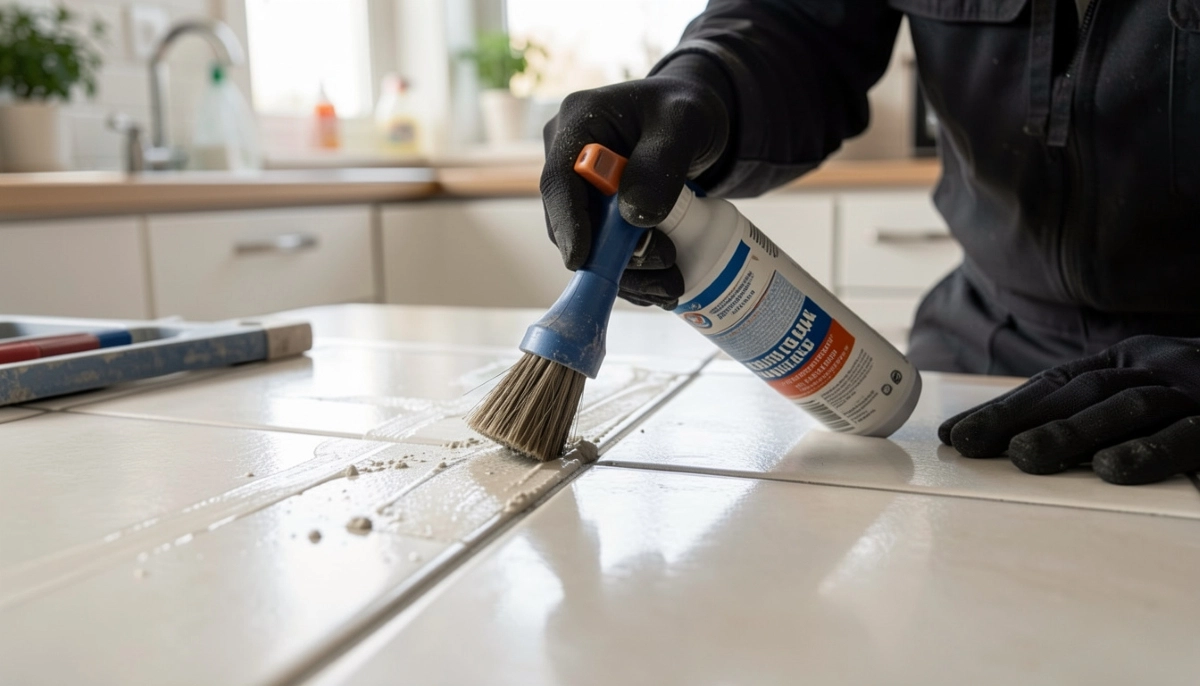
- Deep clean grout lines: Use a grout brush and grout cleaner (or baking soda paste) to restore grout colour.
- Inspect for damage: Check for cracked tiles, loose tiles, or deteriorating grout – repair promptly.
- Test sealer effectiveness: Drop water on grout lines – if it absorbs rather than beads up, reseal.
For more daily tips, read our tile maintenance tips guide.
🧱 Cleaning by Tile Type – Ceramic, Porcelain, Stone
Different tiles need different best tile cleaning methods:
| Tile Type | Daily/Weekly Cleaner | Deep Cleaner | What to Avoid |
|---|---|---|---|
| Ceramic (glazed) | pH-neutral cleaner, mild dish soap | Tile cleaner, baking soda paste | Abrasive scrubbers, acid-based cleaners |
| Porcelain | pH-neutral cleaner, mild soap | Tile cleaner, steam cleaner (safe) | Abrasive scrubbers, bleach (discolors) |
| Natural Stone (marble) | Stone-specific cleaner ONLY | Stone-safe poultice, professional | Vinegar, lemon, bleach, ammonia – will etch |
| Natural Stone (granite) | Stone-specific or mild soap | Stone cleaner, poultice for stains | Vinegar, bleach, acidic cleaners |
| Natural Stone (slate) | Stone-specific cleaner | Stone cleaner, soft brush | Acidic cleaners, wax (makes slippery) |
| Travertine | Stone-specific cleaner | Stone cleaner, professional | Vinegar, bleach, abrasive scrubbers |
| Glass tiles | Glass cleaner, mild soap | Glass cleaner, vinegar-water (1:4) | Abrasive scrubbers, steel wool |
Pro Tip for Natural Stone: Always use stone-specific, pH-neutral cleaners. Never use vinegar, lemon juice, bleach, or ammonia – these will etch (dull) the surface permanently. For more, read our tile sealing guide.
Struggling to Keep Your Tiles Clean?
Get free quotes from verified tile maintenance cleaning specialists who can deep clean and restore your tiles.
Free inspections available. Beat Your Quote guarantee.
🪥 Grout Cleaning – Restoring White Lines
Dirty grout is the #1 complaint in tile care. Here’s how to clean it:
For Light Grout Cleaning (Maintenance):
- Mix baking soda with water to form a paste
- Apply paste to grout lines using a grout brush (stiff bristles)
- Scrub gently – baking soda is mildly abrasive but safe for most grout
- Rinse with damp cloth and dry
For Deeper Grout Cleaning (Stubborn Dirt):
- Use a commercial grout cleaner (follow instructions)
- Alternatively, use oxygen bleach (hydrogen peroxide-based) – mix with water to paste
- Apply, let sit for 10-15 minutes, scrub with brush, rinse thoroughly
- NEVER use chlorine bleach – it weakens grout and can discolour
For Grout in Showers (Mould):
- Use a mould and mildew remover specifically for tile and grout
- Ensure bathroom is well-ventilated
- After cleaning, improve ventilation to prevent recurrence
Preventing Grout Stains:
- Seal grout every 1-2 years (more often in kitchens and bathrooms)
- Wipe spills immediately – especially wine, coffee, oil, and tomato sauce
- Use mats in high-spill areas
For more grout advice, read our removing stains from tile and grout guide.
🩸 Removing Tough Stains – Red Wine, Oil, Coffee
Different stains need different approaches for what is the best way to clean tile floors:
Red Wine Stains:
- Immediate action: Blot (don’t wipe) with paper towels. Apply salt to absorb remaining wine. Rinse with water.
- For remaining stain: Apply hydrogen peroxide (test on inconspicuous area first). Let sit 5-10 minutes, rinse.
- For natural stone: Use stone-specific poultice – don’t use hydrogen peroxide.
Oil/Grease Stains (Kitchen):
- Apply baking soda to absorb oil – let sit 15 minutes, then scrub gently.
- For stubborn oil, use dish soap (degreasing) diluted in warm water.
- For natural stone, use stone-specific poultice.
Coffee/Tea Stains:
- For ceramic/porcelain: baking soda paste or oxygen bleach solution.
- For natural stone: hydrogen peroxide poultice (test first).
Hard Water Deposits (White Scale):
- For ceramic/porcelain: vinegar-water solution (1:4) works well.
- For natural stone: use stone-specific hard water remover – vinegar etches stone.
- For glass tiles: vinegar-water solution is safe.
Rust Stains:
- Use commercial rust remover specifically for tile (test first).
- For natural stone, professional help recommended – rust is very difficult to remove from stone.
🚫 What NOT to Use on Tiles – Dangerous Products
⚠️ Critical Warning: These Cleaners Damage Tiles Permanently
Avoid these products when following best tile cleaning methods.
- Vinegar or lemon juice on natural stone: Acids etch marble, travertine, and limestone permanently. The damage cannot be reversed without professional re-polishing.
- Bleach on grout (regular use): Weakens grout structure, causes crumbling. Use oxygen bleach instead.
- Abrasive scrubbers (steel wool, scouring pads): Scratch glossy and polished tiles permanently.
- Ammonia-based cleaners on any tile: Can damage grout and dull finishes.
- Wax or acrylic finishes on tile floors: Become slippery, trap dirt, and yellow over time.
- Steam cleaners on natural stone: Heat and moisture can damage sealer and cause cracking.
- Pressure washers on tile floors (indoor): Damages grout and can force water under tiles.
- Muriatic acid (hydrochloric acid): Destroys grout and damages tile surfaces – never use.
According to SANS 10400 cleaning standards and SABS material care guidelines, always use cleaners appropriate for your specific tile type.
📞 When to Call a Professional
Some situations require professional tile maintenance cleaning:
- Deep grout cleaning: When DIY methods won’t restore grout colour – professionals have commercial-grade equipment.
- Natural stone etching or stains: Acids leave dull spots on marble – professionals can re-polish.
- Large areas: Cleaning 100m²+ yourself is time-consuming – professionals work faster.
- Before re-sealing: Professional cleaning ensures perfect surface for sealer adhesion.
- Mould issues: Extensive mould in grout may need professional treatment.
- Restoration of old tiles: Read our restoring old tile floors guide for when professional help is needed.
ServiceLink SA connects you with verified cleaning and tiling specialists. Learn more about what is ServiceLink SA and how our service works.
🌦️ Seasonal and Special Care
Adjust your tile care routine by season:
Rainy Season (Summer in SA):
- Place extra doormats at entrances – wet feet track in more dirt
- Clean entryway tiles more frequently
- Check for mould in bathrooms (higher humidity)
Dry Season (Winter in SA):
- Dust accumulates faster – sweep more often
- Consider using a humidifier if static electricity is an issue (for some tile types)
After Renovations or Construction:
- Vacuum thoroughly – construction dust is very fine and scratches tiles
- Damp mop with appropriate cleaner to remove residual dust
- Check for any tile damage from dropped tools or debris
Before Selling Your Home:
- Professional deep cleaning of tiles and grout – makes a strong first impression
- Re-seal grout for fresh appearance
- Repair any cracked or loose tiles

🚫 Common Tile Cleaning Mistakes to Avoid
⚠️ Warning: These Mistakes Damage Your Tiles
Avoid these errors when following best tile cleaning methods.
- Using vinegar on natural stone: “It’s natural, so it must be safe” – WRONG. Vinegar etches marble, travertine, and limestone permanently.
- Using bleach on grout regularly: Bleach weakens grout, causing crumbling. Use oxygen bleach instead.
- Not rinsing after cleaning: Cleaner residue attracts dirt, making floors look dirty faster. Always rinse or use a no-rinse cleaner.
- Using too much water on natural stone: Excess water can penetrate unsealed stone and damage it. Damp mop only.
- Using abrasive scrubbers on glossy tiles: Steel wool or scouring pads scratch glossy surfaces permanently.
- Ignoring spills on natural stone: Wine, coffee, and oil stain stone quickly. Wipe immediately.
- Not sealing grout: Unsealed grout absorbs stains and turns grey. Seal every 1-2 years.
- Using the same mop for everything: Dirty mop spreads dirt. Use clean mop heads and change water frequently.
🛠️ Recommended Tools and Products
For effective clean tile floors maintenance, use these tools:
Essential Tools:
- Soft-bristle broom or microfiber dust mop: For daily sweeping – prevents scratches from grit.
- Microfiber mop with washable pad: For damp mopping – microfiber traps dirt better than cotton.
- Grout brush (stiff bristles): For cleaning grout lines – small, narrow brush.
- Two buckets: One for cleaning solution, one for rinse water – prevents spreading dirty water.
- Soft cloths (microfiber): For drying and spot cleaning.
- Squeegee: For glass tiles and shower walls – prevents water spots.
Recommended Cleaners by Tile Type:
- Ceramic/Porcelain: pH-neutral tile cleaner (R50-150 per bottle) or mild dish soap (a few drops in water).
- Natural Stone: Stone-specific pH-neutral cleaner (R100-250 per bottle).
- Grout: Oxygen bleach powder (R50-100) or commercial grout cleaner.
- Glass tiles: Standard glass cleaner or vinegar-water (1:4).
What to Avoid Buying:
- ❌ Wax or acrylic finishes for floors – become slippery and yellow
- ❌ Abrasive powders – scratch surfaces
- ❌ Acid-based cleaners (unless specifically for your tile type)
❓ Frequently Asked Questions About Tile Cleaning Methods
What is the best way to clean tile floors daily?
The best way to clean tile floors daily is to sweep or vacuum with a soft-bristle broom or hard floor attachment. This removes dirt and grit that scratch tile surfaces. For weekly cleaning, damp mop with a pH-neutral cleaner – never use vinegar on natural stone. For porcelain and ceramic, a few drops of dish soap in warm water works well.
Can I use vinegar to clean tile floors?
Yes for ceramic and porcelain tiles – vinegar-water solution (1:4) is effective and affordable. However, NEVER use vinegar on natural stone (marble, travertine, limestone, slate) – it will etch and dull the surface permanently. Also avoid vinegar on unsealed grout – it can weaken it. For tile care, always check your tile type first.
How do I get grout white again?
Mix baking soda with water to form a paste. Apply to grout lines, scrub with a grout brush, then rinse. For tougher stains, use oxygen bleach (hydrogen peroxide-based) – mix with water to paste, apply, let sit 10-15 minutes, scrub, rinse. Avoid chlorine bleach – it weakens grout. After cleaning, seal grout to prevent future staining. Read our grout stain removal guide for more.
How often should I seal tile grout?
Seal grout every 1-2 years for most areas. In kitchens and bathrooms (high moisture, frequent spills), seal every 6-12 months. Test by dropping water on grout – if it beads up, sealer is working. If it darkens or absorbs, reseal. Grout sealing is essential for tile maintenance cleaning – unsealed grout stains permanently.
Is steam cleaning safe for tile floors?
Steam cleaning is safe for sealed ceramic and porcelain tiles. It’s effective for deep cleaning and killing bacteria. However, avoid steam on natural stone (heat and moisture can damage) and unsealed grout. Never use steam on laminate or vinyl (not tile). Always check manufacturer recommendations. For best tile cleaning methods, test in an inconspicuous area first.
How do I remove red wine stains from tile?
Blot immediately with paper towels – don’t wipe (spreads stain). Apply salt to absorb remaining wine. Rinse with water. For remaining stain, apply hydrogen peroxide (test on inconspicuous area first for natural stone). For natural stone, use stone-specific poultice. Act quickly – dried wine stains are much harder to remove. For more, read our stain removal guide.
What’s the best mop for tile floors?
A microfiber flat mop with a washable pad is best for tile floors. Microfiber traps dirt effectively, requires less water, and doesn’t leave lint. Avoid string mops – they can trap grit that scratches tiles and leave excess water. For clean tile floors, use two buckets (one for cleaner, one for rinse) or a spray mop system.
Can I use bleach to clean tile grout?
Avoid chlorine bleach for regular grout cleaning. Bleach weakens grout over time, causing crumbling and deterioration. It can also discolour some grout colours. Use oxygen bleach (hydrogen peroxide-based) instead – it’s effective and gentler on grout. For white grout, baking soda paste works well. For professional tile care, seal grout after deep cleaning.
✅ Final Thoughts: Clean Tiles, Happy Home
Keeping your tiles beautiful doesn’t have to be complicated. The right best tile cleaning methods – daily sweeping, weekly damp mopping with appropriate cleaners, and periodic grout cleaning – will keep your floors looking new for decades.
The most important rule: know your tile type. What works for ceramic destroys natural stone. When in doubt, use pH-neutral cleaners – they’re safe for almost everything. And never, ever use vinegar or bleach on natural stone or unsealed grout.
Key takeaways for tile cleaning methods:
- Sweep or vacuum daily – dirt scratches tiles over time
- Use pH-neutral cleaner – safe for most tile types
- NEVER use vinegar on natural stone – it etches permanently
- Clean grout with baking soda paste or oxygen bleach
- Seal grout every 1-2 years to prevent stains
- Wipe spills immediately – especially wine, coffee, and oil
- For natural stone, use stone-specific cleaners only
- When DIY isn’t enough, hire professional tile cleaners
Your next step: Ready to deep clean your tiles? Get free quotes from verified cleaning and tiling specialists who can restore your tiles to like-new condition.
Need Professional Tile Cleaning?
Get free quotes from verified tile maintenance cleaning specialists who can deep clean your tiles and restore grout to like-new condition.
📞 Call us: 073 138 4726 to discuss your tile cleaning needs.
Free inspections •
Beat Your Quote guarantee •
Why choose us
Are You a Cleaning or Tiling Professional?
Join ServiceLink SA’s network of verified contractors. Get qualified leads for tile cleaning and maintenance projects.
📚 Official resources & standards referenced:
- SANS 10400 – South African National Standard for cleaning standards and maintenance guidelines.
- SABS – South African Bureau of Standards for material care and product safety standards.
Information provided for general guidance. Always test cleaners on inconspicuous areas first.
Written by: Innocent T Hanyani
Construction & Home Services Industry Specialist | 21+ Years Experience
Innocent T Hanyani has over two decades of experience working across South Africa’s construction and home improvement sectors. Throughout his career, he has advised hundreds of homeowners on proper tile cleaning and maintenance. His practical experience helps homeowners understand the critical differences between tile types and the cleaners that work – or cause permanent damage. He has seen beautiful marble floors ruined by vinegar and grout lines destroyed by bleach. His advice emphasises knowing your tile and using the right products.
For more information about tile cleaning and maintenance, explore our related resources: tile maintenance tips, removing stains from tile and grout, tile sealing guide, and restoring old tile floors. Learn about our process on what is ServiceLink SA and how our service works. Find tilers in your area: Gauteng, Johannesburg, and Sandton. For related services, see our cleaning services and flooring services guides.