

Need Professional Tile Sealing?
Get free quotes from verified tiling specialists who understand impregnating sealer and proper tile protection techniques.
Servicing Gauteng, Sandton, Fourways, and across South Africa
Sealing Tiles: When and Why It’s Necessary for Long-Lasting Floors SA
🛡️ The complete guide to protecting your tiles – from natural stone to grout lines
You’ve just installed beautiful new tiles. They look perfect. But a question nags at you: “Do I need to seal these?” You’ve heard conflicting advice – some say yes, some say no. And you definitely don’t want to make a mistake that damages your investment.
I’ve answered this question hundreds of times for homeowners across Gauteng, from Sandton to Fourways. The truth about sealing tiles when why necessary depends entirely on your tile type. Natural stone? Absolutely must be sealed. Porcelain? The tile itself doesn’t need sealing, but the grout does. Ceramic? The glaze is already a seal, but grout needs attention.
In this complete tile sealant guide, I’ll answer when should you seal tile floors for every tile type. You’ll learn about different types of sealers (including impregnating sealer and topical sealers), how to test if your tiles need sealing, step-by-step application instructions, and how often to reapply. By the end, you’ll know exactly how to protect your tile protection investment.
For more maintenance advice, check out our guides on tile maintenance tips, best tile cleaning methods, restoring old tile floors, marble tiles guide, and travertine tiles guide.
📋 Table of Contents – Tile Sealing Guide
🛡️ Why Seal Tiles? The Benefits of Tile Protection
Sealing tiles when why necessary – here are the key benefits:
What Sealer Does:
- Creates a protective barrier against stains (wine, coffee, oil, juice)
- Prevents moisture absorption – especially important for natural stone and grout
- Makes cleaning easier – dirt sits on top rather than penetrating
- Prevents mould and mildew growth in grout
- Protects against etching from acids (on natural stone)
- Extends the life of your tiles and grout
- Preserves the original colour and appearance
What Sealer Does NOT Do:
- Does not make tiles completely waterproof (but significantly reduces absorption)
- Does not prevent physical damage (scratching, cracking)
- Does not eliminate the need for regular cleaning
- Does not fix existing stains or damage (must clean first)
According to SANS 10400 sealing standards and SABS sealant standards, proper sealing is recommended for all porous tile surfaces.
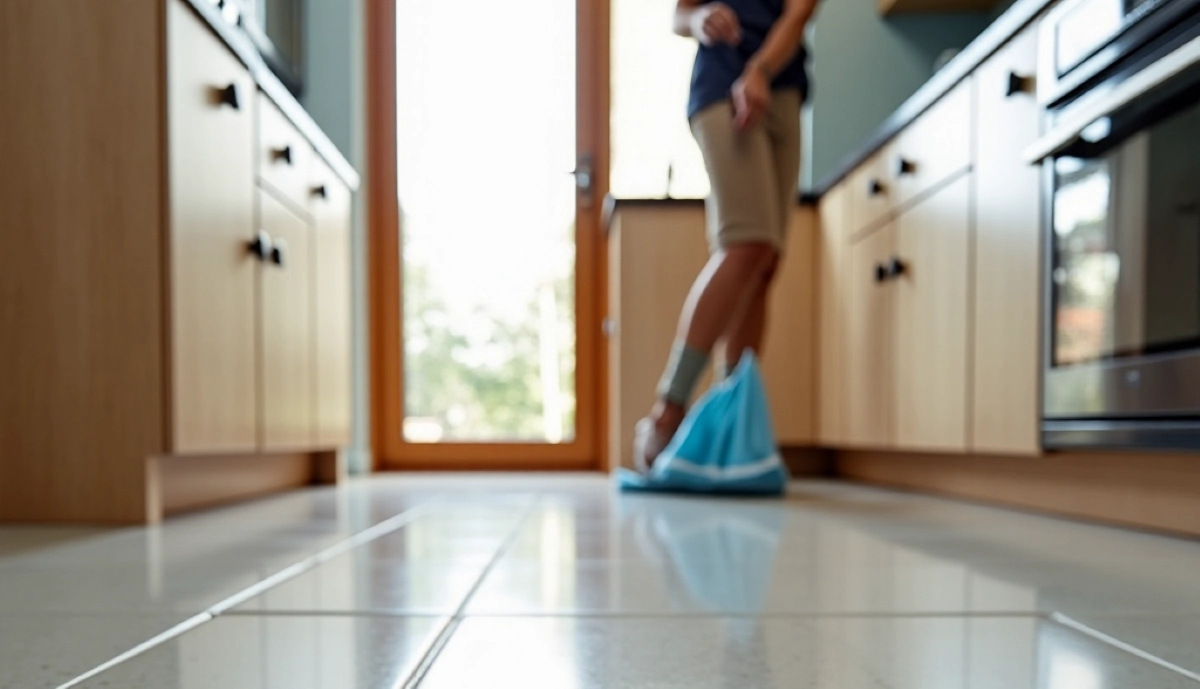
📋 Which Tiles Need Sealing? A Complete Guide
Different tiles have different tile protection requirements:
| Tile Type | Seal Tile? | Seal Grout? | Why |
|---|---|---|---|
| Natural Stone (marble, travertine, limestone, slate, granite) | YES – essential | YES | Stone is porous – absorbs stains, etches from acids. Sealing is critical. |
| Unglazed Ceramic | YES | YES | No protective glaze – absorbs liquids and stains. Sealing required. |
| Glazed Ceramic | NO (tile only) | YES | Glaze is factory-applied seal. Tile doesn’t need sealing, but grout does. |
| Porcelain | NO (tile only) | YES | Dense, low absorption (0.5%). Tile doesn’t absorb, but grout needs sealing. |
| Cement/Encaustic | YES – essential | YES | Very porous – absorbs stains quickly. Must be sealed before and after grouting. |
| Quarry Tile | Recommended | YES | Porous, benefits from sealing to resist oil stains. |
| Glass Tile | NO (tile only) | YES | Non-porous – doesn’t absorb. Grout needs sealing. |
For a detailed comparison, see our natural stone vs porcelain guide and porcelain floor tiles samples guide.
🧪 Types of Tile Sealers – Choosing the Right One
Different tile sealant guide options for different needs:
1. Penetrating/Impregnating Sealer (Most Common – Recommended)
How it works: Absorbs into the tile/grout, creates a hydrophobic barrier below the surface. Does not change appearance – invisible protection.
Best for: Natural stone, porous tiles, grout, outdoor areas. Impregnating sealer is the gold standard.
Pros: Doesn’t change appearance, breathable (allows vapour to escape), durable, doesn’t peel.
Cons: More expensive, requires proper application.
2. Topical/Coating Sealer (Avoid for Most Floors)
How it works: Creates a protective film on the surface.
Best for: Some natural stone walls, not recommended for floors.
Pros: Adds shine, can fill minor imperfections.
Cons: Can peel, scratch, yellow over time, becomes slippery when wet, traps moisture. Avoid for floors.
3. Grout Sealer (Specific for Grout)
How it works: Penetrating sealer formulated specifically for grout lines. Usually comes in small bottles with applicator tip.
Best for: All grout – essential for kitchens and bathrooms.
Pros: Prevents stains, mould, and moisture absorption.
4. Stone-Specific Sealer
How it works: Formulated for natural stone with appropriate pH and chemical composition.
Best for: Marble, travertine, limestone, slate, granite.
Note: Always use stone-specific sealers – general sealers may damage some stones.

Unsure About Sealing Your Tiles?
Get free quotes from verified tiling specialists who can assess your tile type and apply the right impregnating sealer for maximum tile protection.
Free inspections available. Beat Your Quote guarantee.
💧 How to Test If Your Tiles Need Sealing
Before asking when should you seal tile floors, test first:
The Water Drop Test (For Tiles):
- Drop a few drops of water onto the tile surface
- Observe for 5-10 minutes
- If water beads up: Sealer is working – no action needed
- If water absorbs/darkens tile: Sealer has failed or was never applied – needs sealing
The Water Drop Test (For Grout):
- Drop water onto grout line
- Observe for 5-10 minutes
- If water beads up: Grout is sealed – good
- If water absorbs/darkens grout: Grout needs sealing – most grout needs this every 1-2 years
When to Test: Test annually, and after any deep cleaning. In kitchens and bathrooms, test every 6 months.
For more testing guidance, read our tile maintenance tips guide.
📝 Step-by-Step Sealing Application
Follow these steps for proper sealing tiles when why necessary application:
Tools Needed:
- Penetrating sealer (appropriate for your tile type)
- Clean, dry, lint-free cloths or applicator pad
- Small brush for grout lines (if using grout sealer)
- Painter’s tape (to protect adjacent surfaces)
- Drop cloths
- Gloves and mask (ventilation important)
Step 1: Clean Thoroughly
Clean tiles and grout with appropriate cleaner. Remove all dirt, grease, and old wax. Allow to dry completely – 24-48 hours minimum. Any moisture trapped under sealer causes problems.
Step 2: Test a Small Area
Apply sealer to an inconspicuous area (inside closet, under appliance). Check for colour change, streaking, or other issues. Wait 24 hours.
Step 3: Apply Sealer
For penetrating sealers: Apply generously with applicator pad or cloth. Work in small sections (1-2m²). Keep surface wet for the time specified by manufacturer (usually 5-15 minutes).
Step 4: Wipe Excess
Before sealer dries, wipe off excess with clean, dry cloth. Failure to remove excess causes hazy, sticky residue.
Step 5: Apply Second Coat (Recommended)
After first coat has dried (follow manufacturer timing – usually 2-4 hours), apply second coat for maximum protection.
Step 6: Cure Time
Allow 24-72 hours for full cure before exposing to moisture or heavy traffic. Read manufacturer instructions – don’t rush.
For Grout-Only Sealing:
Use grout sealer with applicator tip. Apply directly to grout lines, wipe excess from tile surfaces immediately. Let cure 24-48 hours.
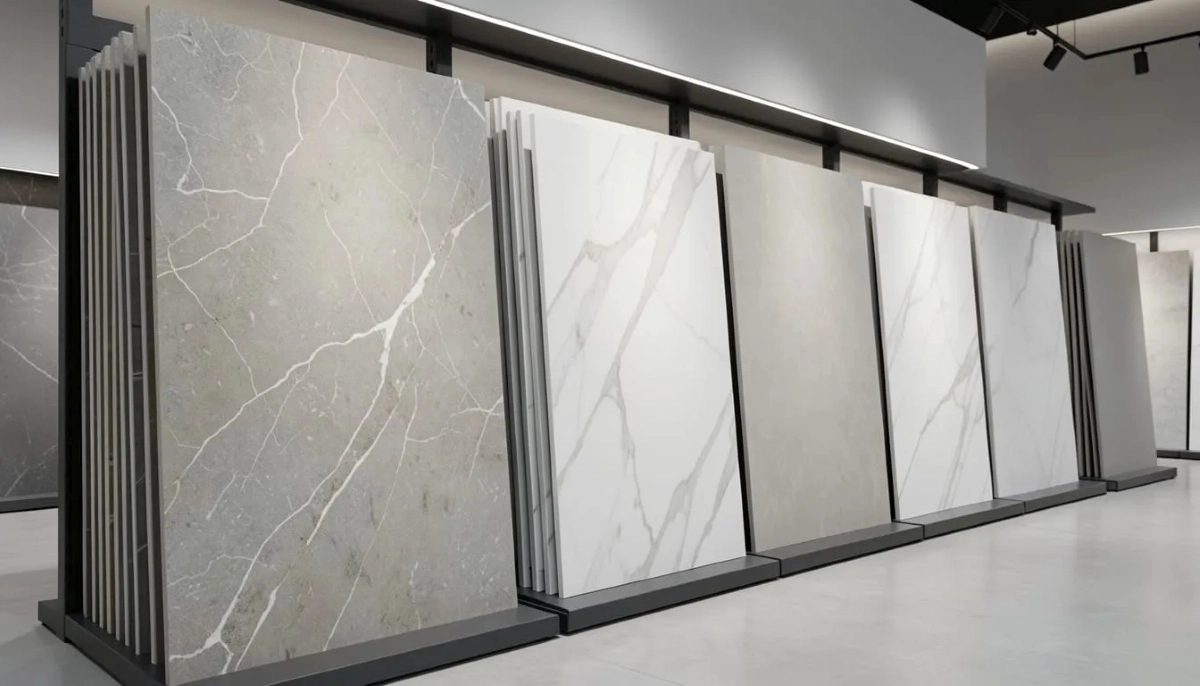
📅 How Often to Seal – By Tile Type
When should you seal tile floors based on material:
| Tile Type | Sealing Frequency | Grout Sealing Frequency | Notes |
|---|---|---|---|
| Marble, Limestone | Every 6-12 months | Every 1-2 years | Soft, porous stone – more frequent in kitchens |
| Travertine | Every 1-2 years | Every 1-2 years | Moderately porous – test annually |
| Granite | Every 1-3 years | Every 1-2 years | Very dense – less frequent |
| Slate | Every 1-2 years | Every 1-2 years | Varies by type – test annually |
| Cement/Encaustic | Every 1-2 years | Every 1-2 years | Very porous – don’t skip |
| Porcelain/Ceramic (glazed) | Never (tile) | Every 1-2 years | Tile doesn’t need sealing – grout does |
| Unglazed Ceramic | Every 1-2 years | Every 1-2 years | Porous – needs regular sealing |
High-Traffic Areas: Kitchens, bathrooms, and entryways may need more frequent sealing – test every 6 months.
🚫 Common Sealing Mistakes to Avoid
⚠️ Warning: These Mistakes Ruin Sealer Effectiveness
Avoid these errors when sealing tiles when why necessary.
- Not cleaning thoroughly before sealing: Dirt and residue become trapped under sealer – permanent stains. Clean thoroughly and allow to dry completely (24-48 hours).
- Sealing wet or damp tiles: Traps moisture – causes hazing, peeling, and mould. Tiles must be bone dry.
- Using the wrong sealer for your tile type: Topical sealer on floors (slippery, peels). Wrong product for natural stone (damage). Always match sealer to tile.
- Not wiping off excess sealer: Leaves hazy, sticky, or white residue. Wipe off before it dries.
- Applying too thick: Penetrating sealers need thin, even coats. Thick application wastes product and can cause residue.
- Not sealing grout: “The tiles are sealed, that’s enough” – WRONG. Grout is porous and needs its own sealer.
- Rushing cure time: Walking on or exposing to water too soon ruins the seal. Wait full cure time (24-72 hours).
- Sealing over existing sealant without testing: If sealer is still working, adding more causes buildup. Test with water drops first.
🏺 Porcelain and Ceramic – Do They Need Sealing?
This is the most common question in tile sealant guide:
Glazed Ceramic and Porcelain Tiles:
The tile itself does NOT need sealing. The factory-applied glaze is already a protective layer that’s non-porous and stain-resistant. Sealing glazed tiles is unnecessary and can even cause problems (haze, residue).
However, the GROUT absolutely needs sealing. Grout is porous and will absorb stains, moisture, and mould without protection.
Unglazed Ceramic:
Does need sealing. Without a protective glaze, unglazed ceramic absorbs stains and moisture. Use a penetrating sealer.
Test First: If you’re unsure whether your ceramic/porcelain is glazed, drop water on the tile. If it beads up, it’s glazed (no sealing needed). If it absorbs/darkens, it’s unglazed (needs sealing).
For more on porcelain, read our natural stone vs porcelain guide.
🪨 Natural Stone – Sealing Requirements
Natural stone is porous and requires regular tile protection:
Why Natural Stone Needs Sealing:
- Porous – absorbs liquids (wine, coffee, oil) causing permanent stains
- Acid-sensitive – vinegar, lemon, wine etch marble and travertine
- Moisture absorption can cause discolouration and deterioration
- Sealing dramatically reduces these risks
Sealing Process for Natural Stone:
- Clean stone with stone-specific cleaner – never vinegar or acid
- Allow to dry completely (24-48 hours)
- Apply stone-specific penetrating sealer (impregnating sealer)
- Wipe excess before it dries
- Apply second coat for maximum protection
- Cure 24-72 hours before use
Note: Different stones have different porosity. Marble and limestone need sealing every 6-12 months. Granite is denser – every 1-3 years. Test annually with water drops.
For more on natural stone care, read our marble tiles guide and travertine tiles guide.

🪥 Grout Sealing – Often Overlooked but Critical
Grout is the weakest link in any tile installation. Here’s why tile protection must include grout:
Why Grout Needs Sealing:
- Grout is porous – it absorbs spills, stains, and moisture
- Unsealed grout turns grey/black from dirt and mould
- In showers, unsealed grout absorbs water, leading to mould behind tiles
- In kitchens, unsealed grout absorbs oil and food stains permanently
- Sealed grout is much easier to clean
How to Seal Grout:
- Clean grout thoroughly – use grout cleaner or oxygen bleach
- Allow to dry completely (24-48 hours)
- Apply grout sealer with applicator tip – follow grout lines carefully
- Wipe excess from tile surfaces immediately
- Let cure 24-48 hours
How Often: Seal grout every 1-2 years. In kitchens and bathrooms, seal every 6-12 months.
Epoxy Grout: Does NOT need sealing – it’s already waterproof and stain-proof. But epoxy grout is more expensive and harder to install.
For more on grout, read our tile cleaning methods guide and tile maintenance tips.
❓ Frequently Asked Questions About Sealing Tiles
Do I need to seal porcelain tiles?
No – glazed porcelain tiles themselves do NOT need sealing. The factory glaze is non-porous and stain-resistant. However, the GROUT between porcelain tiles absolutely needs sealing every 1-2 years. Unglazed porcelain (rare) does need sealing. Test with water – if it beads up, it’s sealed/glazed. If it absorbs, it needs sealing. This is a key point in sealing tiles when why necessary.
How often should I seal my tiles?
When should you seal tile floors depends on tile type: Natural stone (marble, travertine) every 6-12 months; granite every 1-3 years; unglazed ceramic every 1-2 years; grout every 1-2 years. Test annually with water drops – if water absorbs/darkens, reseal. High-traffic areas need more frequent sealing.
What’s the best tile sealer for natural stone?
The best sealer for natural stone is a penetrating/impregnating sealer specifically formulated for stone. Look for “stone-safe” or “natural stone sealer” on the label. Avoid topical sealers (film-forming) on stone floors – they become slippery and can trap moisture. For marble and limestone, ensure the sealer is pH-neutral. For granite, any quality penetrating sealer works well.
Can I seal tiles myself or hire a professional?
DIY sealing is possible for small areas – penetrating sealers are straightforward. However, professionals have commercial-grade products and equipment, especially for large areas or natural stone. For valuable stone (marble, limestone) or large projects, professional application ensures even coverage and avoids mistakes. Get a free quote from verified specialists through ServiceLink SA.
Does grout need to be sealed?
YES – absolutely. Grout is porous and absorbs stains, moisture, and mould. Unsealed grout in showers leads to mould behind tiles. In kitchens, unsealed grout absorbs oil and food stains permanently. Seal grout every 1-2 years (more often in kitchens/bathrooms). The only exception is epoxy grout, which is already waterproof and doesn’t need sealing.
How long does tile sealer last?
Tile sealer longevity depends on tile type, traffic, and sealer quality. Natural stone: 6-12 months; granite: 1-3 years; grout: 1-2 years; cement tiles: 1-2 years. Test annually with water drops – if water absorbs into the tile or grout rather than beading up, it’s time to reseal. High-quality penetrating sealers last longer than cheap products.
Can I use vinegar to clean sealed tiles?
For sealed ceramic or porcelain tiles, diluted vinegar (1:4 with water) is safe for general cleaning. However, for natural stone tiles (marble, travertine, limestone), NEVER use vinegar – it will etch the stone even if sealed. For sealed grout, vinegar can weaken the sealer over time. For regular tile protection, use pH-neutral cleaners – they’re safe for all tile types and won’t damage sealers.
Do I need to seal both tiles and grout?
It depends on your tile type. Natural stone and unglazed ceramic need both tile and grout sealing. Glazed ceramic and porcelain tiles themselves do NOT need sealing – only the grout needs sealing. Always test your tiles first (water drop test). Read our natural stone vs porcelain guide to understand the differences. For sealing tiles when why necessary, remember: grout ALWAYS needs sealing every 1-2 years regardless of tile type.
What happens if I don’t seal my tiles or grout?
Unsealed natural stone absorbs stains permanently – wine, coffee, and oil become impossible to remove. Unsealed grout turns grey or black from dirt, grows mould in bathrooms, and absorbs cooking oils in kitchens. Unsealed cement tiles stain very easily. Without proper tile protection, your floors will look old and dirty within months rather than years. Sealing is a small investment that prevents costly damage.
✅ Final Thoughts: Seal to Protect Your Investment
Sealing tiles when why necessary is one of the most important maintenance tasks for any tile owner. Natural stone must be sealed. Grout must always be sealed. Porcelain and glazed ceramic tiles themselves don’t need sealing, but the grout between them does.
The water drop test is your best friend – test annually and reseal when water absorbs rather than beads up. Use penetrating impregnating sealers (not topical) for floors. And never use vinegar on natural stone – it causes permanent etching.
Key takeaways for tile sealing:
- Natural stone and unglazed ceramic – seal tile and grout
- Porcelain and glazed ceramic – seal grout only (tile doesn’t need it)
- Use penetrating/impregnating sealer – not topical coatings on floors
- Test annually with water drops – reseal when water absorbs
- Clean thoroughly and dry completely before sealing
- Seal grout every 1-2 years (more often in kitchens/bathrooms)
- When in doubt, hire a professional – especially for natural stone
Your next step: Ready to seal your tiles? Get free quotes from verified tiling specialists who understand impregnating sealer and proper tile protection techniques.
Ready to Protect Your Tiles with Professional Sealing?
Get free quotes from verified tiling specialists who understand sealing tiles when why necessary and can apply the right tile sealant guide products for your specific tile type.
📞 Call us: 073 138 4726 to discuss your tile sealing needs.
Free inspections •
Beat Your Quote guarantee •
Why choose us
Are You a Tiling Professional?
Join ServiceLink SA’s network of verified tiling contractors. Get qualified leads for sealing, cleaning, and tiling projects.
📚 Official resources & standards referenced:
- SANS 10400 – South African National Standard for sealing standards and maintenance guidelines.
- SABS – South African Bureau of Standards for sealant standards and product quality specifications.
Information provided for general guidance. Always test sealers on inconspicuous areas first and follow manufacturer instructions.
Written by: Innocent T Hanyani
Construction & Home Services Industry Specialist | 21+ Years Experience
Innocent T Hanyani has over two decades of experience working across South Africa’s construction and home improvement sectors. Throughout his career, he has advised hundreds of homeowners on proper tile sealing techniques. His practical experience helps homeowners understand which tiles need sealing (natural stone, grout) and which don’t (glazed porcelain). He has seen beautiful marble floors ruined by lack of sealing and grout lines permanently stained because sealer was neglected. His advice emphasises that sealing is cheap insurance against expensive damage.
For more information about tile sealing and maintenance, explore our related resources: tile maintenance tips, best tile cleaning methods, restoring old tile floors, marble tiles guide, and travertine tiles guide. Learn about our process on what is ServiceLink SA and how our service works. Find tilers in your area: Gauteng, Sandton, and Fourways. For related services, see our cleaning services and waterproofing guides.
Can I use vinegar to clean sealed tiles?
<