

Love the Hexagon Tile Look?
Get free quotes from verified tiling specialists who have experience with hexagonal tiles and geometric pattern installations.
Servicing Western Cape, Cape Town, Stellenbosch, and across South Africa
Hexagon Tiles Design Ideas: Inspiration & Installation Guide SA
⬡ From classic honeycomb to bold geometric statements – the complete guide to hexagon tiles
There’s something about a hexagon. The six-sided shape feels modern yet timeless, playful yet sophisticated. Walk into a bathroom with hexagon floor tiles, and you notice immediately – it’s different, interesting, deliberate. It’s not another square grid.
I’ve installed hexagon tiles design across the Western Cape, from Cape Town to Stellenbosch, for many years. And the popularity of these geometric tiles keeps growing. Homeowners love how hexagons add personality without overwhelming – they’re pattern without being busy, shape without being chaotic.
In this complete guide to hexagonal tiles (often called honeycomb tiles), I’ll share design inspiration, installation tips, and practical advice. You’ll learn about size options (from tiny mosaics to large format hexagons), colour choices, layout patterns, where to use them, and common mistakes to avoid. I’ll also answer the question hexagon tile design ideas for bathrooms with real examples from SA homes.
For more design inspiration, check out our guides on modern tile design trends, tile patterns for small bathrooms, herringbone tile pattern guide, and large vs small tiles design.
📋 Table of Contents – Hexagon Tiles Design Guide
⬡ Why Choose Hexagon Tiles?
Geometric tiles like hexagons offer several advantages over traditional squares and rectangles:
Design Benefits:
- Unique appearance: Hexagons stand out – they’re not the same grid you see everywhere
- Modern yet timeless: Works in contemporary and traditional spaces
- Adds movement: The honeycomb pattern draws the eye without being overwhelming
- Visually interesting: Creates texture and depth even with solid colours
- Versatile: Works on floors, walls, backsplashes, and feature areas
- Small hexagons: Great for shower floors (many grout lines = good grip)
- Large hexagons: Bold, modern statement – fewer grout lines
Practical Benefits:
- Hides minor imperfections: The pattern distracts from slight subfloor issues
- Flexible layout: Hexagons can be arranged in multiple patterns
- Works in small spaces: Small hexagons on floors make bathrooms feel larger
- Timeless appeal: Hexagons have been used for over a century – they’re not a passing trend
For more on geometric patterns, read our tile patterns for small bathrooms guide.
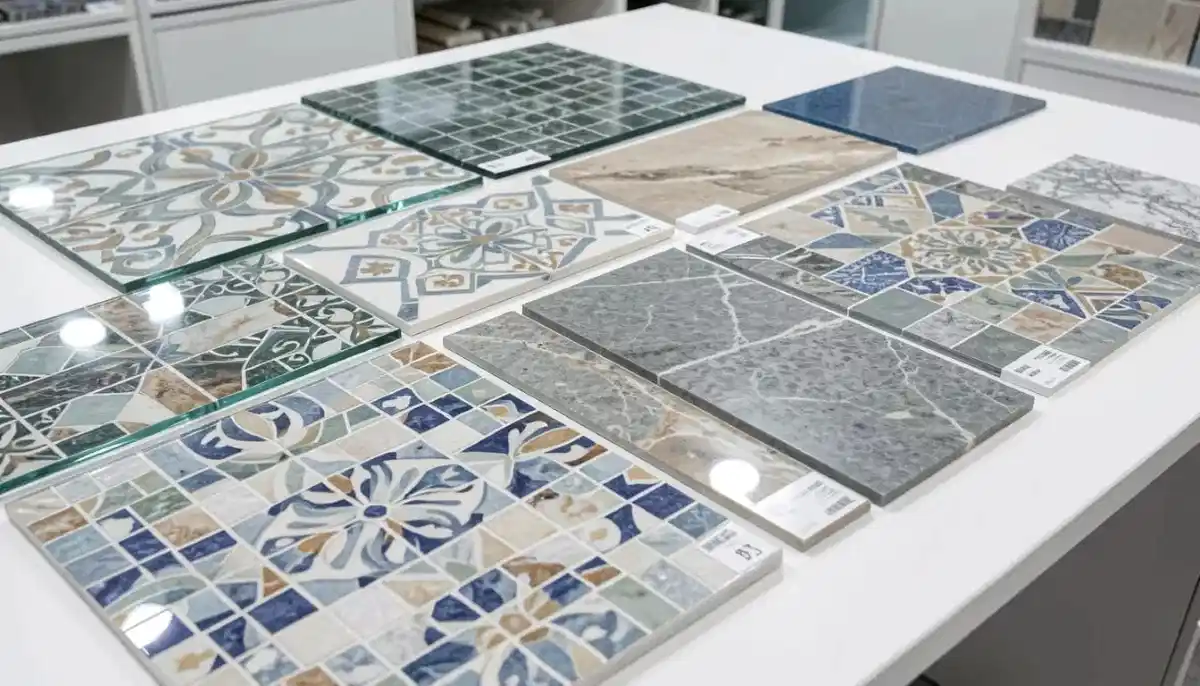
📏 Hexagon Tile Sizes – From Mosaic to Large Format
Hexagon tiles come in a wide range of sizes, each suited for different applications:
| Size | Common Name | Best For | Pros | Cons |
|---|---|---|---|---|
| 20-50mm (mosaic sheets) | Mini hexagon | Shower floors, backsplashes, small accents | Excellent grip, flexible around curves | Many grout lines (can be busy), harder to clean |
| 75-100mm | Small hexagon | Bathroom floors, powder rooms, small spaces | Classic scale, good grip, not overwhelming | Still many grout lines |
| 150-200mm | Medium hexagon | Kitchen floors, entryways, laundry rooms | Modern look, fewer grout lines, easier to clean | Moderate installation complexity |
| 250-300mm | Large hexagon | Living areas, open-plan spaces, feature walls | Bold statement, very few grout lines, contemporary | Heavier, requires very flat subfloor, more expensive |
| 400mm+ | Extra large hexagon | Commercial spaces, grand entries, modern minimalism | Dramatic impact, seamless look | Very expensive, specialist installation, heavy |
Size Recommendation by Room:
- Small bathrooms: 75-100mm hexagons – classic scale, adds visual interest without overwhelming
- Shower floors: 20-50mm mosaics – small tiles conform to slope and provide grip
- Kitchens and entryways: 150-200mm – modern, easier to clean
- Living areas: 200-300mm – bold statement, fewer grout lines
- Feature walls: Any size – depends on desired effect
🎨 Colour and Finish Options for Hexagon Tiles
Hexagon tiles design offers endless colour possibilities:
Popular Colour Choices:
- White and off-white: Classic, clean, makes spaces feel larger – most popular for bathrooms
- Black and white (checkerboard): Dramatic, vintage-inspired, very trendy
- Grey scale: Modern, sophisticated, works with any decor
- Bold colours (navy, emerald, terracotta): Statement-making, best as accents or in powder rooms
- Pastels (pale pink, mint, baby blue): Soft, playful, perfect for kids’ bathrooms or nurseries
- Mixed colours/blends: Mosaic sheets with multiple colours – artistic, unique
Finish Options:
- Matte: Most popular – hides water spots, less slippery, modern look
- Glossy: Reflective, brightens spaces – best for walls (slippery for floors)
- Textured: Slip-resistant, best for wet areas and floors
- Metallic (gold, silver, copper): Luxury accent – stunning on feature walls or backsplashes
- Glass hexagons: Luminous, light-reflective – beautiful for backsplashes
Pro Tip: For honeycomb tiles in bathrooms, choose matte finish with slight texture – it’s safer and hides water spots better than glossy.
For more on tile finishes, read our glass tiles guide.

Ready to Add Hexagon Tiles to Your Home?
Get free quotes from verified tiling specialists who have experience with hexagonal tiles and geometric pattern installations.
Free inspections available. Beat Your Quote guarantee.
🛁 Hexagon Tile Design Ideas for Bathrooms
Bathrooms are the most popular application for hexagon tile design ideas for bathrooms. Here’s how to use them:
1. Hexagon Floor Tile (75-100mm) + Simple Wall Tile
Use medium hexagons on the floor in white, light grey, or black. Keep walls simple (large format white subway or rectangular tiles). The floor becomes the star without overwhelming the space.
2. Hexagon Shower Floor (Mosaic 20-50mm)
Small hexagon mosaics are perfect for shower floors – they conform to the slope, provide excellent grip, and the small tiles mean more grout lines (better traction). Choose dark grout to hide dirt.
3. Hexagon Accent Wall (150-200mm)
Create a feature wall behind the vanity or toilet using larger hexagons in a bold colour (navy, emerald, charcoal). Keep the rest of the bathroom neutral.
4. Black and White Checkerboard Hexagon Floor
Alternating black and white hexagons create a dramatic, vintage-inspired floor. Best in powder rooms or larger bathrooms where the pattern can be appreciated.
5. Hexagon Niche Backing
Use small hexagon mosaics inside shower niches as a surprise accent. Coordinate with floor or use a contrasting colour.
6. All-Over Hexagon (Floor and Wall Match)
For a bold, cohesive look, use the same hexagon tiles on both floor and walls (usually white or light grey). This creates a seamless, modern envelope effect.
Pro Tip for Small Bathrooms: Use 75-100mm white hexagons on the floor with matching white grout. The pattern adds interest without making the space feel busy or smaller.
For more bathroom inspiration, read our tile patterns for small bathrooms guide.
🏠 Hexagon Tiles on Floors – Entryways, Kitchens, Living Areas
Beyond bathrooms, geometric tiles shine in many spaces:
Entryways and Mudrooms:
Hexagon tiles make a stunning first impression. Use 150-200mm hexagons in a pattern (solid colour or alternating colours). The geometric shape welcomes guests with style. Dark colours hide dirt better in high-traffic entryways.
Kitchen Floors:
Medium hexagons (150-200mm) in warm greys or terracotta add character to kitchens. Choose matte finish for slip resistance – kitchens have spills. Coordinate with cabinet colours.
Laundry Rooms:
Small hexagons (75-100mm) in light colours brighten windowless laundry rooms. The pattern distracts from the utilitarian nature of the space.
Living Areas and Open-Plan Spaces:
Large hexagons (250-300mm) in neutral tones create a bold, contemporary floor. Fewer grout lines make the space feel larger. Works well in modern and mid-century homes.
Sunrooms and Covered Patios:
Outdoor-rated hexagon tiles in earthy tones (terracotta, slate grey) connect indoor and outdoor spaces beautifully. Ensure R11 slip resistance for wet areas.
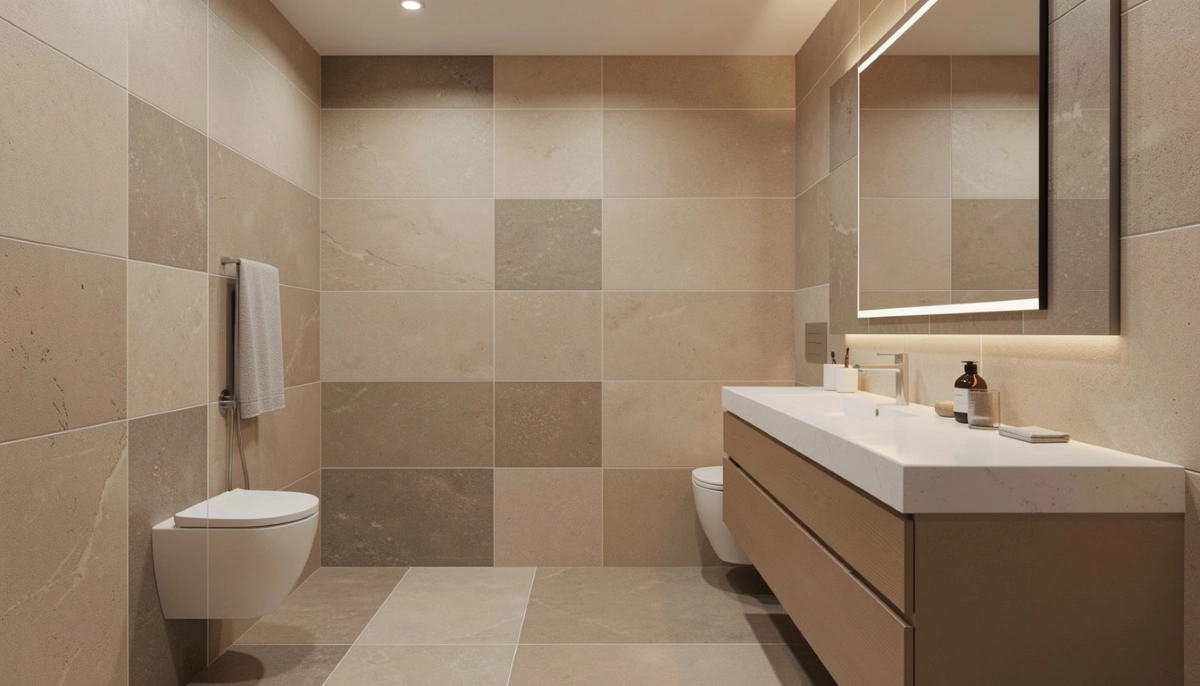
🧱 Hexagon Tiles on Walls – Feature Walls and Backsplashes
Hexagons aren’t just for floors – they’re stunning on walls too:
Kitchen Backsplashes:
Small hexagon mosaics (20-50mm) in glass or ceramic create beautiful, light-reflective backsplashes. Use white or pale colours to keep the kitchen bright. Hexagons add interest without competing with busy countertops.
Bathroom Feature Walls:
Create a dramatic focal point behind the vanity or toilet using larger hexagons (150-200mm) in a bold colour (navy, charcoal, emerald). Keep the rest of the bathroom simple.
Fireplace Surrounds:
Hexagon tiles around a fireplace add texture and pattern. Use natural stone-look hexagons for an organic feel, or glossy white for a crisp, modern look.
Shower Walls (Full Coverage):
For a truly unique shower, cover all walls with hexagon tiles (100-150mm). This works best in larger showers where the pattern can be seen fully. Choose matte finish for easier cleaning.
Powder Room Accent Wall:
Powder rooms are perfect for bold hexagon statements. Use metallic or brightly coloured hexagons on one wall – small spaces can handle drama.
🔄 Pattern Layouts – Beyond the Standard Honeycomb
While the standard honeycomb (hexagons tessellating naturally) is most common, there are other layout options for honeycomb tiles:
1. Standard Honeycomb (Most Common)
Hexagons arranged in their natural tessellating pattern. Classic, balanced, timeless. Works for all sizes and spaces.
2. Random Rotation
Hexagons rotated randomly rather than aligned in straight rows. Creates a more organic, less rigid appearance. Modern and artistic.
3. Striped Layout
Alternating rows of hexagons with gaps or contrasting colours. Creates a striped effect from a distance – bold and contemporary.
4. Gradient/Fade Pattern
Using hexagons in gradually changing colours (e.g., white fading to grey to black). Creates a stunning ombre effect – requires careful planning.
5. Mixed with Other Shapes
Combine hexagons with other geometric shapes (triangles, diamonds) for custom patterns. Very advanced – requires specialist design and installation.
6. Border/Medallion Layout
Use hexagons as a border around a different central tile (e.g., large square tiles with hexagon border). Creates defined zones in open-plan spaces.
Pro Tip: For most homes, the standard honeycomb layout works best. Save complex layouts for feature areas or work with an experienced designer.

🔧 Hexagon Tile Installation Tips
Installing hexagon tiles design requires some special considerations:
Subfloor Preparation:
- Must be perfectly flat – hexagons are less forgiving than squares
- Clean, dry, and primed
- For mosaics on sheets, ensure sheets are flat (no curling edges)
Layout Planning:
- Start at the centre of the room – hexagons can drift if not centred
- Dry-lay a small area to check cuts at walls
- For mosaic sheets, check that sheets align properly – sometimes sheets don’t match perfectly at seams
Cutting Hexagons:
- Use a wet saw with diamond blade – manual cutters struggle with hexagons
- For small hexagon mosaics, cut through the mesh backing between tiles when possible
- For individual large hexagons, mark cut lines carefully – angles matter
Grouting Hexagons:
- Use unsanded grout for small mosaics (joints under 3mm)
- Use sanded grout for larger hexagons (joints over 3mm)
- For glass hexagons, always use unsanded grout (sanded scratches glass)
- Match grout colour carefully – contrasting grout highlights each hexagon
Special Considerations for Mosaic Sheets:
- Check that sheets are square – sometimes they’re slightly distorted
- Use a beating block to seat sheets evenly
- Sheets may need to be cut to fit around corners – use a utility knife on mesh backing
For more installation guidance, read our mosaic tile installation guide.
🚫 Common Mistakes to Avoid with Hexagon Tiles
⚠️ Warning: These Mistakes Ruin Hexagon Tile Installations
Avoid these errors when planning your geometric tiles project.
- Wrong size for the space: Tiny mosaics on a large living room floor (too busy). Large hexagons in a tiny bathroom (overwhelming). Match size to room scale.
- Not planning layout: Hexagons can drift – starting at a wall leads to uneven cuts. Always start at the centre.
- Mismatched mosaic sheets: Some sheets don’t align perfectly at seams. Check before buying – or plan to adjust during installation.
- Using glossy hexagons on floors: Slippery when wet – dangerous. Use matte or textured finishes on floors.
- Dark grout with small hexagons: Creates too many visible lines – can look busy. Consider matching grout colour to tiles.
- Not sealing natural stone hexagons: Stone hexagons (marble, travertine) absorb water and stain. Seal before and after grouting.
- DIY without experience: Hexagons are more complex than squares or rectangles. Practice first or hire a professional.
- Using sanded grout on glass hexagons: Sand scratches glass permanently. Always use unsanded grout for glass.
💰 Hexagon Tile Cost Guide
Here’s what you can expect to pay for hexagon tiles design in South Africa:
| Tile Type | Material Cost/m² | Installation/m² | Total Installed/m² | Notes |
|---|---|---|---|---|
| Ceramic hexagon (small) | R200 – R400 | R250 – R400 | R450 – R800 | Most common, good value |
| Porcelain hexagon (medium-large) | R350 – R700 | R250 – R400 | R600 – R1,100 | Durable, low maintenance |
| Glass hexagon mosaic | R400 – R1,000 | R300 – R500 | R700 – R1,500 | Stunning, requires specialist install |
| Natural stone hexagon | R500 – R1,200 | R300 – R500 | R800 – R1,700 | Luxury look, requires sealing |
| Marble hexagon | R600 – R1,500 | R350 – R550 | R950 – R2,050 | Premium, elegant, high maintenance |
Example Project Costs:
- Small bathroom floor (5m²) – ceramic hexagon: R2,250 – R4,000
- Shower floor (2m²) – glass hexagon mosaic: R1,400 – R3,000
- Kitchen backsplash (4m²) – glass hexagon: R2,800 – R6,000
- Entryway (8m²) – porcelain hexagon: R4,800 – R8,800
- Large bathroom (10m² floor) – marble hexagon: R9,500 – R20,500
For a complete breakdown of tile costs, read our tile installation cost per square meter guide.
❓ Frequently Asked Questions About Hexagon Tiles
Are hexagon tiles more expensive than square tiles?
Yes – hexagon tiles typically cost 20-40% more than equivalent square tiles. The shapes are more complex to manufacture, and installation takes longer (more cuts, careful alignment). Material costs range from R200-1,500/m² depending on material (ceramic, glass, marble). Installation also costs 20-30% more than straight-lay squares.
What size hexagon tile is best for a small bathroom?
For hexagon tile design ideas for bathrooms that are small, use 75-100mm hexagons. This classic scale adds pattern without overwhelming the space. White or light grey hexagons with matching grout keep the bathroom feeling open. Avoid large hexagons (over 150mm) in very small bathrooms – they can feel overwhelming.
Can hexagon tiles be used on shower floors?
Yes – small hexagon mosaics (20-50mm) are excellent for shower floors. The many grout lines provide good traction (slip resistance), and the small tiles conform to the slope of the shower pan. Choose matte or textured finish – never glossy. Use epoxy grout for water resistance. This is one of the most popular honeycomb tiles applications.
Are hexagon tiles hard to install?
Yes – hexagon tiles are more difficult to install than squares or rectangles. The angles require precise cutting, layout must be carefully planned (starting at centre), and alignment must be checked constantly. Mosaic sheets can have alignment issues at seams. For DIY, practice first on a small board. For best results, hire a professional with geometric tile experience.
What grout colour works best with hexagon tiles?
Two approaches: Matching grout (same colour as tiles) makes the hexagons blend together – subtle, seamless, modern. Contrasting grout (darker or lighter) highlights each hexagon – bold, pattern-focused, traditional. For small bathrooms, matching grout keeps the space calmer. For feature areas, contrasting grout adds drama. White hexagons with dark grout create a vintage honeycomb look.
Do hexagon tiles make a room look bigger or smaller?
Properly used, hexagon tiles can make a room feel larger. The pattern draws the eye and creates a sense of movement, which can make spaces feel more expansive than a standard grid. Small hexagons (75-100mm) in light colours with matching grout are most effective for visual enlargement. Avoid dark colours or high-contrast grout in small spaces.
Are hexagon tiles outdated?
Not at all – hexagons are a classic shape that has remained popular for over a century. While other patterns come and go, hexagons endure because they’re visually interesting without being trendy. Current popularity is strong, especially in bathrooms, kitchens, and entryways. Modern large-format hexagons (200-300mm) offer a fresh, contemporary take on this timeless geometric tiles shape.
Can I mix hexagon tiles with other shapes?
Yes – creative layouts combine hexagons with other geometric shapes (triangles, diamonds, small squares). For example, hexagons as a field with diamond inserts, or a hexagon border around square tiles. This requires advanced design and installation skills – work with an experienced tiler. For most homes, sticking with standard hexagon-only layouts is safer and more timeless.
✅ Final Thoughts: Embrace the Hexagon
Hexagon tiles design offers a perfect balance of pattern and simplicity. The six-sided shape adds visual interest without overwhelming – it’s geometry that feels organic, pattern that feels calm.
Whether you choose tiny mosaics for a shower floor, classic medium hexagons for a bathroom, or bold large-format hexagons for an entryway, these hexagonal tiles will transform your space. They’re not a passing trend – they’re a timeless shape that has been used for over a century and will continue to look fresh for decades.
Key takeaways for hexagon tiles:
- Small hexagons (20-50mm) for shower floors and backsplashes
- Medium hexagons (75-150mm) for bathroom and kitchen floors
- Large hexagons (200-300mm) for living areas and feature walls
- White or light colours with matching grout for small spaces
- Bold colours or contrasting grout for feature areas and powder rooms
- Matte finish on floors (safer) – glossy on walls only
- Professional installation recommended – hexagons are not beginner-friendly
Your next step: Ready to add hexagon tiles to your home? Get free quotes from verified tiling specialists who have experience with honeycomb tiles and geometric pattern installations.
Ready to Add Hexagon Tiles to Your Home?
Get free quotes from verified tiling specialists who have experience with hexagon tiles design and geometric pattern installations.
📞 Call us: 073 138 4726 to discuss your hexagon tile project.
Are You a Geometric Tile Specialist?
Join ServiceLink SA’s network of verified tiling contractors. Get qualified leads for hexagon, herringbone, and other geometric tile projects.
📚 Official resources & standards referenced:
- SANS 10400 – South African National Standard for tile design standards, installation requirements, and building regulations.
- SABS – South African Bureau of Standards for material standards, including slip resistance and quality specifications for geometric tiles.
Information provided for general guidance. Hexagon tile installation requires precision – always consult qualified professionals.
Written by: Innocent T Hanyani
Construction & Home Services Industry Specialist | 21+ Years Experience
Innocent T Hanyani has over two decades of experience working across South Africa’s construction and home improvement sectors. Throughout his career, he has installed hundreds of hexagon tile projects – from small bathroom floors in Cape Town to feature walls in Stellenbosch. His practical experience helps homeowners understand the nuances of this geometric shape: size selection for different rooms, layout planning, cutting techniques, and grout colour choices. He has seen stunning hexagon installations that transform ordinary spaces – and poorly executed ones that miss the mark. His advice emphasises getting the scale and colour right.
For more information about hexagon tiles and geometric design, explore our related resources: modern tile design trends, tile patterns for small bathrooms, herringbone tile pattern guide, and large vs small tiles design. Learn about our process on what is ServiceLink SA and how we verify contractors. Find tilers in your area: Western Cape, Cape Town, and Stellenbosch. For related services, see our flooring services and tiling services guides.