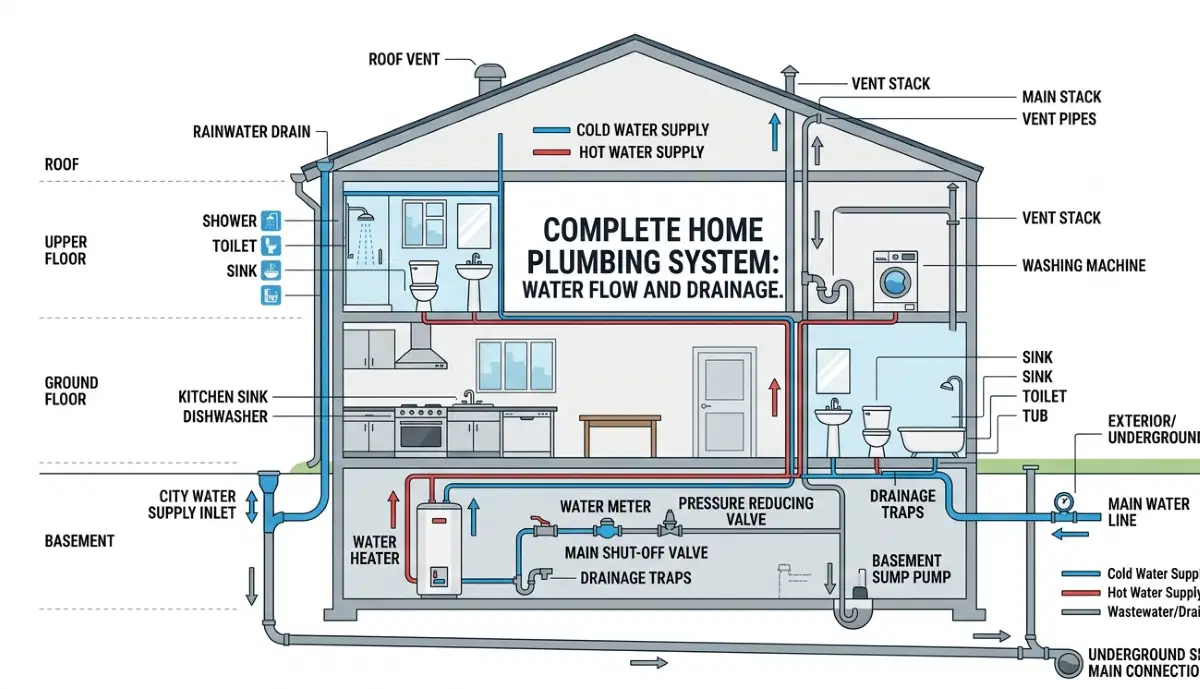
📜 Need a Plumbing COC for Property Transfer?
Get quotes from verified PIRB-registered plumbers who can issue your Certificate of Compliance fast.
Servicing Gauteng, Western Cape, KwaZulu-Natal, and across South Africa
Plumbing COC Certificate South Africa: What It Is, When You Need It & Cost
📋 From property sales to insurance claims—everything South African homeowners need to know about the plumbing Certificate of Compliance
Imagine this: You’ve found your dream buyer. The offer is signed. The conveyancer is ready. Then comes the question that stops everything: “Do you have a valid plumbing COC certificate?” You don’t. The sale grinds to a halt. Your buyer threatens to walk away. You’re scrambling to find a plumber who can inspect and certify your property before the deal collapses.
I’ve seen this happen too many times. Property sales delayed by weeks or months. Sellers forced to accept lower offers because they couldn’t produce compliance documentation. Landlords facing legal action from tenants after plumbing failures. All because they didn’t understand the plumbing certificate of compliance requirements.
This guide changes that. You’ll learn exactly what a plumbing COC certificate is, how to get a plumbing COC in South Africa, what inspectors look for, how much it costs, and why this document is absolutely essential for property transactions, rentals, and insurance claims.
For more context, read our licensed plumbers guide and plumbing prices guide. Let’s demystify the coc for plumbing once and for all.
📋 Table of Contents – Plumbing COC Certificate Guide
📜 What Is a Plumbing COC Certificate?
A plumbing COC certificate (Certificate of Compliance) is an official legal document issued by a PIRB-registered plumber that certifies your property’s plumbing system complies with South African National Standards (SANS 10252) and all applicable building regulations.
Think of it as a “plumbing roadworthy certificate.” Just as a vehicle needs to pass certain safety standards to be legally driven, your property’s plumbing system must meet specific safety and compliance standards to be legally transferred or rented.
What the certificate confirms:
- All water installation work meets SANS 10252 standards
- Geyser installations are safe and compliant
- No cross-contamination risks between water sources
- Drainage systems function correctly
- No illegal or unsafe plumbing modifications exist
📋 Key Takeaway:
A plumbing certificate of compliance is NOT a warranty that your plumbing will never fail. It’s a certification that, at the time of inspection, your system met all legal safety and installation standards. This distinction matters for insurance claims and property transfers.
⚠️ Why You Need a Plumbing COC Certificate
The coc for plumbing isn’t optional—it’s a legal requirement in multiple scenarios. Here’s why every property owner needs one:
💰 Property Value Protection
A valid plumbing COC certificate demonstrates your property meets all safety standards, making it more attractive to buyers and potentially increasing market value.
⚖️ Legal Compliance
South African law requires a plumbing certificate of compliance for all property transfers. Non-compliance can result in fines and transaction delays.
🛡️ Risk Mitigation
Proper certification reduces liability for plumbing-related damages and ensures insurance claims aren’t denied due to non-compliant installations.
📈 Transaction Smoothness
Banks, conveyancers, and insurance companies require valid COCs before approving property transfers or issuing policies.
🔥 Pro Tip:
Always obtain your plumbing COC certificate before listing your property or signing lease agreements. This prevents costly delays and demonstrates professionalism to potential buyers or tenants. Last-minute COC requests often come with premium pricing.
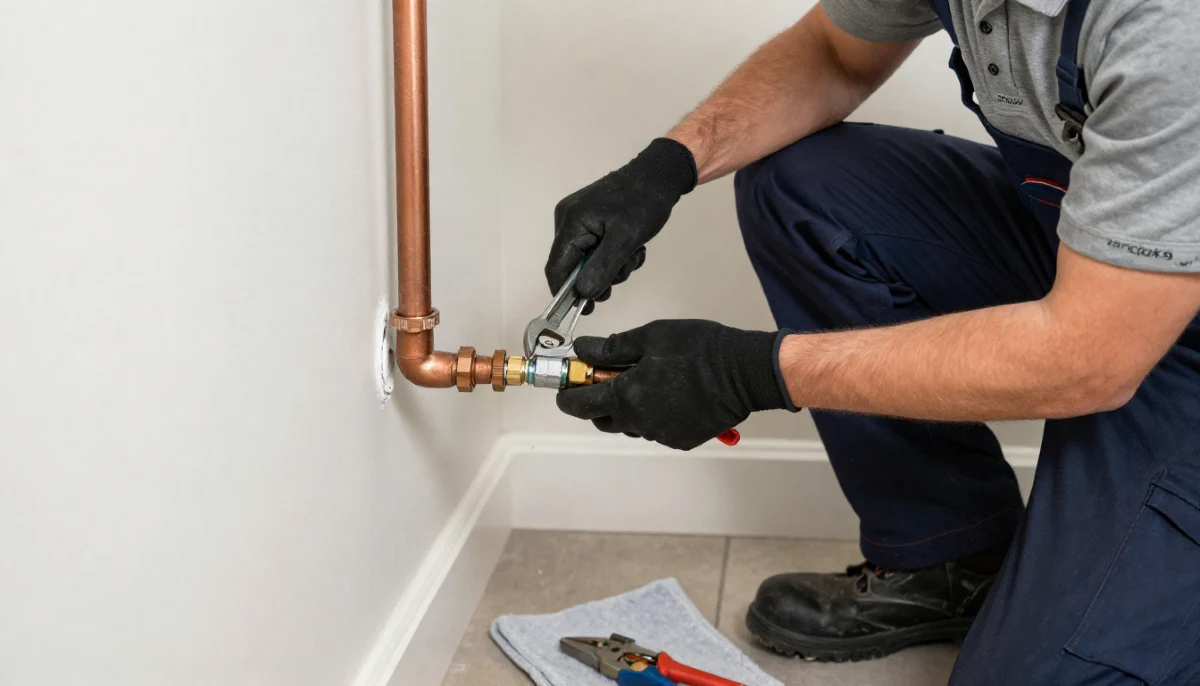
🔍 What Is Checked on a Plumbing COC Inspection?
When a certified professional conducts your plumbing certificate of compliance inspection, they perform a comprehensive assessment. Here’s exactly what is checked:
| System | What Is Checked | Common Issues |
|---|---|---|
| 🔥 Geyser & Hot Water Systems | Correct installation, pressure valve operation, temperature relief valves, drip pipe routing, electrical compliance | Missing valves, incorrect drip pipe routing, no earth bonding |
| 🚰 Water Supply Systems | Water pressure (max 500kPa), pipe materials, isolation valves, cross-connection prevention, backflow devices | Pressure too high, galvanized steel corrosion, missing backflow prevention |
| 🛁 Sanitary Fixtures & Drainage | Toilet installation, waste connections, vent pipes, gully traps, stormwater/sewer separation | Incorrect venting, wrong pipe gradients, cross-connections |
| ⚡ Safety & Compliance | No cross-connections, overflow protection, fixture supports, municipal bylaw compliance | Missing overflow protection, inadequate pipe support |
For properties with recent renovations, our bathroom and kitchen renovation plumbing guide provides essential compliance information.
👨🔧 Who Can Issue a Plumbing COC in South Africa?
Understanding who can issue a plumbing certificate of compliance is crucial for ensuring your documentation is legally valid.
Only a PIRB-registered plumber is legally authorized to issue a coc for plumbing in South Africa.
Requirements for a valid COC issuer:
- PIRB Registration: The Plumbing Industry Registration Board maintains strict competency standards. Only plumbers meeting these requirements can issue valid COCs.
- Technical Competence: Must demonstrate knowledge of SANS 10252 standards and practical installation experience.
- Insurance Coverage: Professional indemnity insurance protects both plumber and property owner in case of errors.
- Digital Verification: All PIRB-issued COCs include unique QR codes for instant verification of authenticity.
⚠️ Critical Warning:
Attempting to obtain a plumbing COC certificate from an unregistered plumber is illegal and results in invalid documentation. This can cause property transfer rejections, insurance claim denials, and legal complications. Always verify PIRB registration before commissioning any inspection.
ServiceLink SA automatically verifies all plumbers in our network. Read our contractor verification process to learn more.
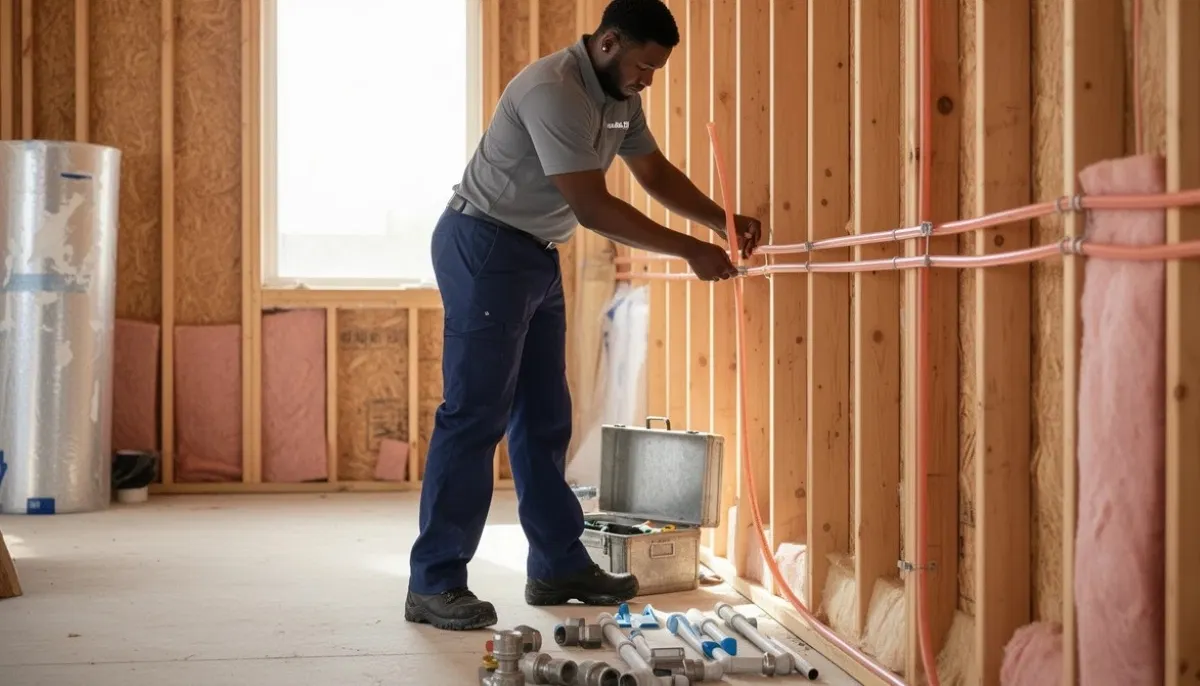
🏡 Plumbing COC and Property Transfers: Legal Requirements
The plumbing COC certificate plays a critical role in property transfer plumbing transactions across South Africa.
| Transaction Type | COC Requirement | Consequences of Non-Compliance |
|---|---|---|
| Property Sales | Mandatory for all transfers | Transfer delays, potential sale cancellation |
| Rental Properties | Required for landlord compliance | Tenant disputes, liability issues |
| Bank Financing | Often required by lenders | Loan application rejection |
| Insurance Policies | Required for water damage coverage | Claim denials for plumbing issues |
The Conveyancing Process: During property transfer plumbing procedures, conveyancers will request your plumbing COC certificate as part of the mandatory documentation package. The certificate must be included in the deed of sale documents to ensure smooth transfer at the Deeds Office.
📜 Need Your Plumbing COC for Property Transfer?
Get instant quotes from certified PIRB-registered plumbers. Fast, reliable, and guaranteed compliant.
Free quotes • Verified PIRB plumbers • Beat Your Quote guarantee
💰 Plumbing COC Cost Guide for South Africa (2025)
Understanding plumbing COC certificate costs helps you budget appropriately for your property transaction or rental compliance.
| Property Type | Cost Range (ZAR) | Inspection Time | Includes |
|---|---|---|---|
| Apartment/Flat | R750 – R1,200 | 1-2 hours | Basic inspection & certificate |
| Standard 3-Bedroom House | R1,200 – R2,500 | 2-3 hours | Full system inspection & COC |
| Large Family Home | R2,000 – R3,500 | 3-4 hours | Comprehensive inspection & report |
| Commercial Property | R3,500 – R8,000+ | 4-8 hours | Detailed inspection & documentation |
| Emergency/After-Hours | +R500 – R1,500 | Same-day | Urgent inspection service |
Factors that influence your COC cost: Property size (more fixtures = longer inspection), system complexity (multiple bathrooms, geysers), access issues (hard-to-reach pipes), repair requirements (additional costs for fixes before certification), and geographical location (urban vs rural pricing).
For complete pricing context, see our plumbing prices guide and plumbing installation costs.
🚨 The 7 Common Issues Found During COC Inspections
Even well-maintained properties often fail initial plumbing COC certificate inspections. Being aware of these common issues can help you prepare:
1. ❌ Non-Compliant Geyser Installations
Missing pressure relief valves, incorrect drip pipe routing, or inadequate support systems. Geyser issues account for nearly 40% of COC failures. See our geyser installation guide for compliance requirements.
2. 💧 Undetected Water Leaks
Hidden leaks in walls, under floors, or at pipe joints that cause structural damage. Professional leak detection may be required.
3. 📏 Incorrect Water Pressure
Pressure exceeding 500kPa damages fixtures and violates SANS 10252 standards. Pressure-reducing valves may need installation.
4. 🚽 Improper Drainage Systems
Inadequate venting, incorrect pipe gradients, or cross-connections between stormwater and sewer systems.
5. 🔄 Backflow Risks
Missing or faulty backflow prevention devices that could contaminate potable water supplies.
6. 🔌 Electrical Compliance Issues
Geyser electrical connections without proper earth bonding or compliant circuit breakers.
7. 🏚️ Aged Plumbing Systems
Galvanized steel pipes that have corroded or outdated fittings that no longer meet current standards.
🔧 How to Prepare for Your Plumbing COC Inspection
Proper preparation can streamline your inspection and increase first-time approval chances for your plumbing certificate of compliance:
- Test all fixtures: Run all taps, showers, and toilets to check for leaks, poor water pressure, or drainage issues. Ensure stop valves operate smoothly.
- Inspect your geyser: Check for dripping pressure valves, ensure the drip pipe routes safely outside, and verify the installation appears secure.
- Clear access areas: Provide clear access to geysers, under-sink areas, and external plumbing points. Move stored items away from inspection areas.
- Gather documentation: Collect previous COCs, renovation permits, and receipts for recent plumbing work. This helps establish compliance history.
- Check water efficiency: Some municipalities offer compliance incentives for water-efficient fixtures. Read our water-efficient plumbing guide.
- Schedule strategically: Book your inspection well before your property transfer deadline to allow time for any necessary repairs.
💡 Smart Saving Strategy:
Combine your plumbing COC certificate inspection with routine maintenance using our Home Plumbing Maintenance Checklist. This approach addresses potential issues proactively and maximizes value from your inspection fee.

⏰ How Long Is a Plumbing COC Valid?
A plumbing certificate of compliance remains valid as long as no alterations or damage occur to the plumbing system. However, for property transfer plumbing, most conveyancers require a certificate issued within the last 6-12 months.
When you need a new COC:
- After any significant plumbing work (new geyser, re-piping, bathroom renovation)
- When selling a property (most conveyancers require recent COC)
- If your property has suffered water damage (insurance may require new COC)
- When converting a property to rental (landlord compliance)
- If your previous COC has been lost or damaged
Major renovations or repairs will require a new inspection and certificate. Read our plumbing insurance claim guide for more on when new certification is needed.
🏠 Plumbing COC and Insurance Claims
Many insurance companies require a valid plumbing COC certificate before processing water damage claims. Without one, they may deny claims arguing that non-compliant plumbing contributed to the damage.
What insurers typically require:
- Valid COC for the property (issued within reasonable timeframe)
- COC for any recent plumbing work related to the claim
- Evidence that work was done by PIRB-registered plumber
- Documentation of regular maintenance (use our maintenance checklist)
Keep your plumbing certificate of compliance accessible and ensure it’s current to avoid claim complications. For complex claims, our insurance claim assistance can help navigate the process.
⚖️ Legal Implications for Sellers and Landlords
Understanding the legal framework around plumbing COC certificate requirements protects your interests:
🏘️ For Property Sellers
- COC must be provided to buyer before transfer
- Non-compliance can delay or void the deed of sale
- Sellers liable for defects discovered post-sale if no COC provided
- Municipalities may withhold clearance certificates without valid compliance
🏠 For Landlords & Rental Properties
- Landlords must ensure plumbing safety throughout tenancy
- Valid COC limits liability for plumbing-related incidents
- Rental housing regulations increasingly require compliance documentation
- Insurance claims may be denied without current certification
Consequences of non-compliance: Property transfer delays and potential cancellation, legal penalties under the National Building Regulations, civil liability for damages from plumbing failures, and insurance claim rejections for water-related incidents.
👨🔧 How to Choose a Qualified PIRB-Registered Plumber
Selecting the right professional for your plumbing certificate of compliance is crucial. Follow these steps:
- Verify PIRB registration: Ask for their PIRB registration number and verify it through the official PIRB database. Read our licensed plumbers guide.
- Check experience: Choose plumbers with specific experience in property transfer plumbing inspections and COC issuance.
- Get detailed quotes: Request itemized quotes that clearly separate inspection fees from repair costs. Use our Beat Your Quote service.
- Confirm insurance: Ensure they carry professional indemnity insurance. See our contractors liability insurance page.
- Review feedback: Check reviews specifically related to COC services. Read our contractor selection guide.
ServiceLink SA pre-vets all plumbing service providers for qualifications, experience, and customer satisfaction, ensuring you connect with truly qualified professionals.
❓ Frequently Asked Questions About Plumbing COC Certificates
What exactly is a plumbing COC and why do I need one?
A plumbing COC certificate (Certificate of Compliance) is an official document certifying your property’s plumbing meets South African SANS 10252 standards. You need it because it’s a legal requirement for property transfers, protects against liability, ensures safety, and is often required by banks, insurers, and municipal authorities. Without it, property sales can be delayed or cancelled.
Who can issue a plumbing certificate in South Africa?
Only a PIRB-registered plumber can legally issue a plumbing certificate of compliance. The Plumbing Industry Registration Board maintains strict standards, and using unregistered plumbers results in invalid certificates that won’t be accepted for property transfer plumbing or insurance purposes. Always verify PIRB registration before commissioning any inspection.
What is checked on a plumbing COC inspection?
During a coc for plumbing inspection, the PIRB-registered plumber checks: geyser installation and safety valves, water pressure compliance (max 500kPa), pipe materials and routing, backflow prevention, drainage systems, cross-connection risks, and overall system integrity against SANS 10252 standards. Geyser issues account for nearly 40% of COC failures.
How long is a plumbing COC valid?
A plumbing COC certificate remains valid as long as no alterations or damage occur to the plumbing system. However, for property transfer plumbing, most conveyancers require a certificate issued within the last 6-12 months. Major renovations or repairs will require a new inspection and certificate. Some insurance companies also require recent COCs for claims.
What happens if my property fails the COC inspection?
If your property fails, the PIRB-registered plumber will provide a detailed report of non-compliant items. You must arrange repairs by a qualified plumber, after which a re-inspection is conducted. There’s usually an additional fee for re-inspection (typically R300-R600), so addressing issues beforehand saves time and money. Most failures involve geyser compliance, water pressure, or hidden leaks.
How much does a plumbing COC cost in South Africa?
Plumbing COC certificate costs range from R750-R1,200 for an apartment/flat, R1,200-R2,500 for a standard 3-bedroom house, and R2,000-R3,500 for a large family home. Commercial properties cost R3,500-R8,000+. Emergency/after-hours inspections add R500-R1,500. These costs include inspection time and the certificate itself. Repair costs for non-compliant items are additional. Get free quotes from PIRB-registered plumbers for accurate pricing.
Do I need a new COC for insurance claims?
Many insurance companies require a valid plumbing certificate of compliance before processing water damage claims. Without one, they may deny claims arguing that non-compliant plumbing contributed to the damage. Keep your certificate accessible and ensure it’s current to avoid claim complications. Read our plumbing insurance claim guide for more details.
How to get a plumbing COC in South Africa?
How to get a plumbing COC in South Africa involves: 1) Find a PIRB-registered plumber (verify their registration), 2) Schedule a property inspection, 3) The plumber conducts thorough compliance testing against SANS 10252 standards, 4) If compliant, they issue the COC immediately; if not, they provide a non-compliance report, 5) Complete necessary repairs, 6) Schedule re-inspection for final COC. ServiceLink SA connects you with verified PIRB-registered plumbers who can handle the entire process.
✅ Final Thoughts: Don’t Let COC Compliance Catch You Off Guard
A plumbing COC certificate isn’t just paperwork—it’s your legal shield, your property transaction passport, and your insurance claim ally. Understanding this requirement before you need it can save you thousands in rushed inspections, emergency repairs, and delayed property transfers.
Key takeaways for South African property owners:
- Only PIRB-registered plumbers can legally issue a valid plumbing certificate of compliance
- COC is mandatory for property transfers, rental compliance, and many insurance claims
- Cost ranges R750-R3,500+ depending on property size and complexity
- Geyser issues are the most common reason for COC failure (40% of cases)
- Prepare before inspection—test fixtures, clear access, gather documentation
- Plan ahead—don’t wait until your property transfer deadline to get certified
- Keep your COC accessible—you’ll need it for insurance claims and future transactions
Your action plan: If you’re planning to sell, rent out, or make insurance claims on your property, get your plumbing COC certificate well in advance. Use ServiceLink SA to find verified PIRB-registered plumbers, get free quotes, and ensure your property meets all compliance standards.
📜 Ready to Get Your Plumbing COC?
Get free quotes from certified PIRB-registered plumbers in your area. Compare prices, read reviews, and choose the best professional for your plumbing COC needs.
📞 Call us: 073 138 4726 for immediate help finding a PIRB-registered plumber near you.
📚 Official resources & standards referenced:
- Plumbing Industry Registration Board (PIRB) – COC requirements and plumber verification.
- South African Bureau of Standards (SABS) – Compliance standards for plumbing materials and installations.
- SANS 10400 – South African National Standard for plumbing compliance.
Information provided for general guidance based on PIRB and SANS standards. For definitive legal advice on plumbing COC certificate requirements, consult your conveyancer or property attorney.
Written by: ServiceLink SA Research Team
Plumbing Compliance & Property Transfer Specialists
The ServiceLink SA Research Team comprises plumbing compliance experts, property transaction specialists, and industry professionals with extensive experience in plumbing COC certificate requirements across South Africa. Our team works directly with PIRB-registered plumbers, conveyancers, and property attorneys to bring you accurate, actionable information about how to get a plumbing COC in South Africa, compliance standards, and property transfer requirements. We continuously update our guides to reflect current PIRB regulations, SANS standards, and conveyancing practices across all South African provinces.
For more information about plumbing compliance and property requirements, explore our related resources:
licensed plumbers in South Africa,
how to choose a plumber,
plumbing prices guide,
plumbing installation costs,
and questions to ask a plumber.
Our what is ServiceLink SA and
contractor verification process pages explain how we connect you with trusted professionals.
See our service areas page for coverage in your region.