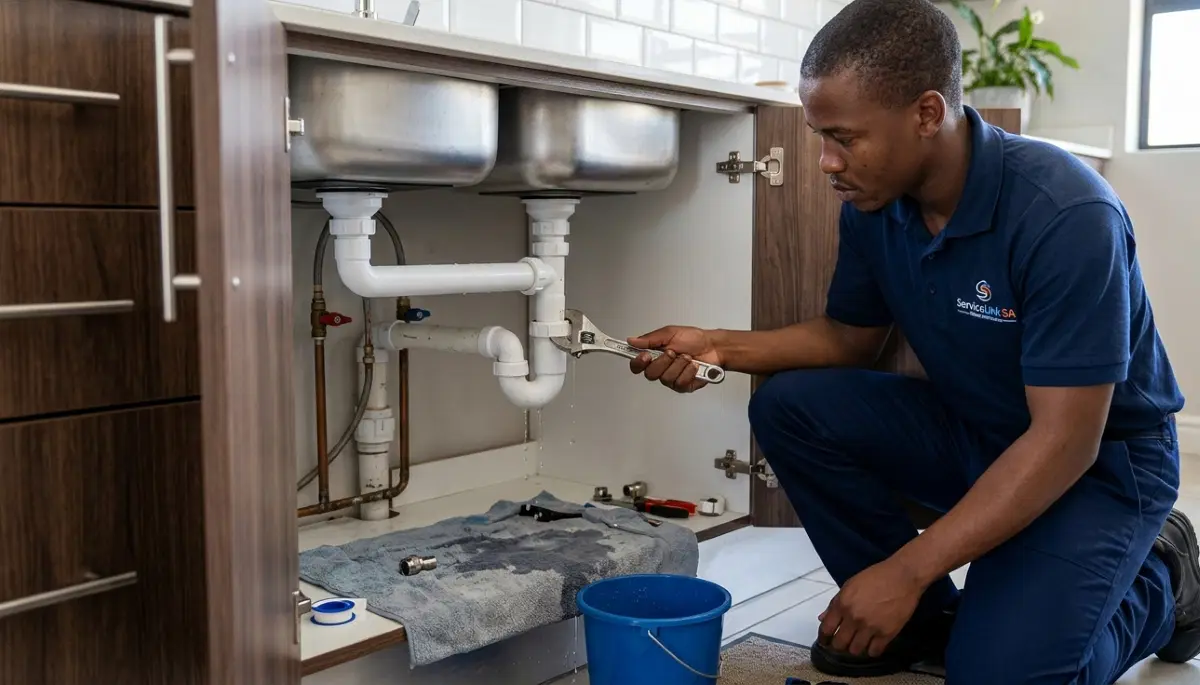
⚠️ Noticed Warning Signs?
Get a free inspection from verified plumbers before small problems become costly emergencies.
Get Free Plumbing Inspection Quotes
Servicing Johannesburg, Pretoria, Sandton, Centurion, and across Gauteng
Warning Signs You Need a Professional Plumber (Don’t Ignore These Red Flags)
🔧 From subtle drips to alarming noises—what your plumbing is trying to tell you and when to call for help
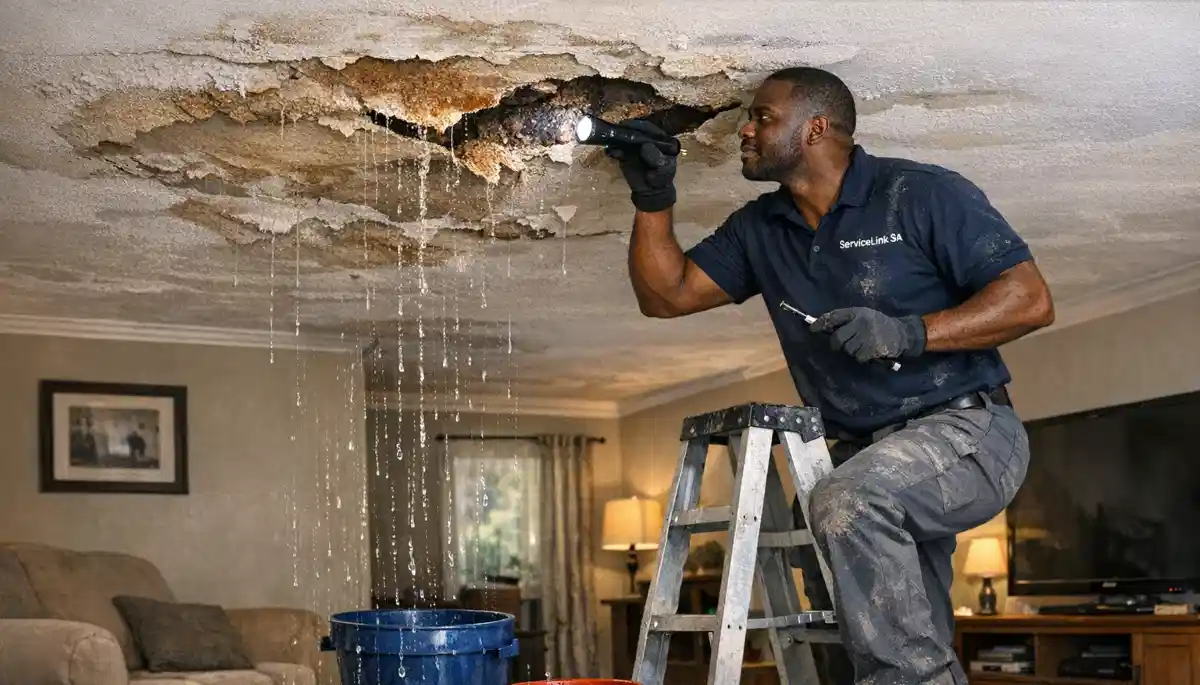
Let me tell you about David from Sandton. He noticed a small water stain on his ceiling six months ago. Just a little discolouration, nothing dramatic. He figured he’d get to it eventually. Last week, his bathroom ceiling collapsed. Water had been slowly leaking from a pipe above for months, rotting the ceiling board until it could no longer hold. The repair bill? R38,000. The cost if he’d called when he first saw the stain? Around R2,500.
I’ve seen this story play out hundreds of times across Johannesburg, Pretoria, and beyond. Homeowners ignore the early warning signs need plumber attention, hoping the problem will go away or that it’s “not that serious.” It almost never goes away. It almost always gets worse. And by the time you’re forced to act, the damage—and the bill—is exponentially larger.
This guide is your early warning system. You’ll learn exactly when to call a plumber, what those strange sounds and smells actually mean, and how to distinguish between minor issues you can monitor and signs you need a plumber immediately. Whether you’re in Johannesburg, Pretoria, Sandton, or Centurion, these professional plumber signs apply to every home.
For more guidance, read our how to choose a plumber guide and questions to ask a plumber. Let’s decode what your house is trying to tell you.
📋 Table of Contents – Warning Signs You Need a Plumber
🔊 1. Persistent Gurgling Drains
That gurgling sound from your sink or shower after using water isn’t normal plumbing behaviour—it’s one of the most common warning signs need plumber attention immediately.
What it sounds like: A bubbling, sucking, or gurgling noise coming from drains, often after flushing a toilet or running a sink.
What causes it: Air trapped in your pipes due to partial blockages, improper venting, or main sewer line issues. As water tries to drain past a blockage, air bubbles back up through the water in your traps, creating the gurgling sound.
Why you shouldn’t ignore it: That partial blockage is getting worse every day. Eventually, it becomes a complete blockage, leading to sewage backups, overflows, and potentially burst pipes from pressure buildup.
💡 Quick Test:
Fill your sink with water, then release it. If you hear gurgling from other drains (like the shower or toilet), the issue is likely in your main line, not just one fixture. This is a sign you need a plumber immediately.
For professional diagnosis, our drain cleaning and unblocking services can identify and clear the blockage before it becomes an emergency.
💧 2. Consistently Low Water Pressure
A weak trickle from your tap when you used to have a strong stream is more than an annoyance—it’s a professional plumber sign of underlying plumbing problems.
What to check first: Test multiple fixtures. Is it just one tap (localized issue) or every tap in the house (whole-house issue)? This distinction helps diagnose the cause.
Common causes:
- Localized low pressure: Clogged aerator, faulty fixture, or local pipe blockage
- Whole-house low pressure: Hidden leak, pipe corrosion, pressure regulator failure, or municipal supply issues
The hidden danger: A sudden drop in water pressure combined with higher water bills almost always indicates a hidden leak. Water is escaping somewhere—possibly under your foundation, behind walls, or underground—causing structural damage you can’t see until it’s catastrophic.
⚠️ Emergency Warning:
If your water pressure drops suddenly and dramatically (like from full force to a trickle overnight), you may have a major pipe failure or burst. Turn off your main water supply and call an emergency plumber immediately.
For detailed diagnosis, read our low water pressure problems guide.
👃 3. Sewer Smells or Unpleasant Odors
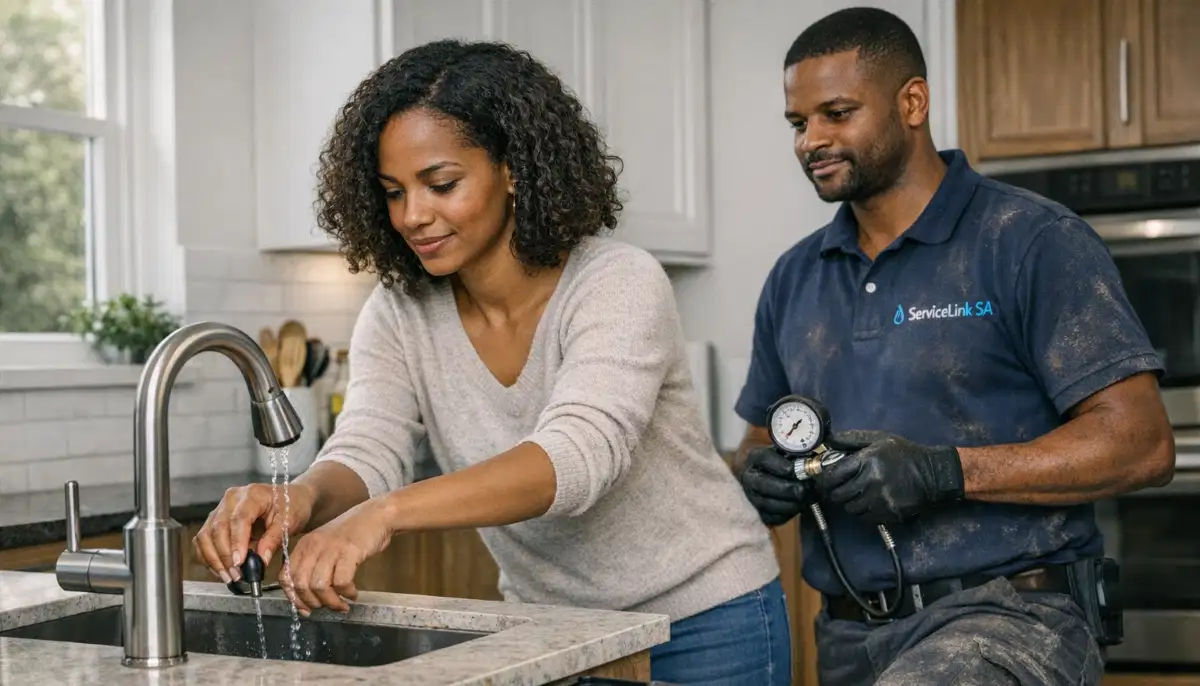
Your home should never smell like a sewer. Ever. If you’re noticing rotten egg or sewage odors indoors, this is one of the signs you need a plumber immediately.
Common locations for sewer smells:
- Around sink or shower drains
- Near toilets (especially the base)
- In basements or crawl spaces
- Throughout the house (indicates serious vent stack issues)
Possible causes:
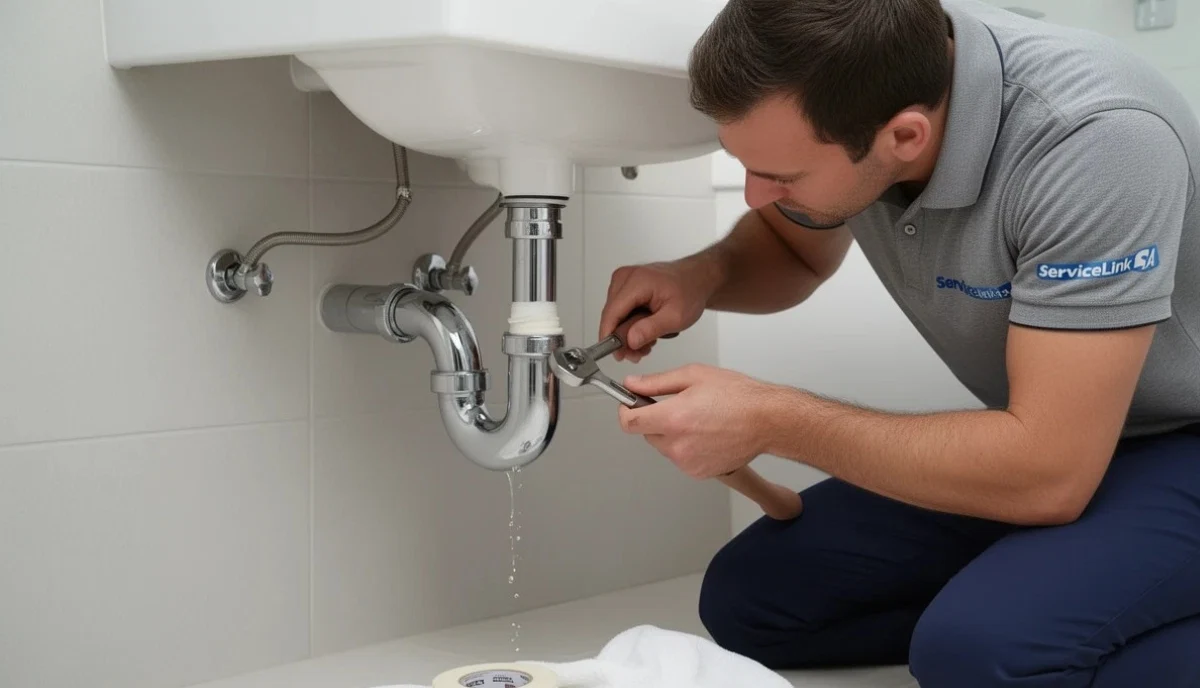
- Dry P-traps: In rarely-used bathrooms, water in the trap evaporates, allowing sewer gases to enter. Run water briefly to refill.
- Failed wax seal on toilet: Allows gases (and potentially water) to escape around the toilet base.
- Cracked vent pipe: Sewer gases escaping through damaged pipes in walls or attic.
- Main line blockage: Waste backing up creates pressure that pushes gases through fixtures.
⚠️ Health Hazard:
Sewer gases contain methane, hydrogen sulfide, and ammonia. Prolonged exposure can cause headaches, nausea, respiratory issues, and in high concentrations, is flammable and toxic. Do NOT ignore sewer smells.
🚰 4. Visible Leaks or Water Damage
This seems obvious, but you’d be surprised how many homeowners ignore small leaks until they become big problems. Any visible water—drips, stains, pooling—is a clear warning sign need plumber attention.
What to look for:
- Water stains or discolouration on ceilings, walls, or floors
- Persistent dripping sounds from pipes or fixtures
- Soft spots or warping in wooden floors or walls
- Peeling paint or wallpaper from moisture penetration
- Mould or mildew growth in consistently damp areas
- Unexpectedly high water bills (often the first sign of hidden leaks)
The cost of waiting: A small leak dripping at one drop per second wastes approximately 11,000 litres of water per year. That’s R500-R1,500 on your water bill annually. But the real cost is structural damage—rotten wood, compromised drywall, mould remediation, and potential foundation issues.
For hidden leaks you can’t see, our leak detection services use thermal imaging and acoustic technology to find leaks without destructive searching.
⚠️ Spotting Warning Signs?
Don’t wait until a small problem becomes a costly emergency. ServiceLink SA connects you with verified plumbers for fast, professional diagnosis.
Get Free Plumbing Quotes Near You
Free inspections available • Verified PIRB-registered plumbers
🔨 5. Water Hammer or Loud Pipe Noises
That loud BANG or series of thuds when you turn off a tap isn’t normal—it’s called water hammer, and it’s damaging your pipes every time it happens.
What it sounds like: A loud bang, thud, or series of knocking sounds coming from inside your walls when water flow stops abruptly (like when a tap closes or washing machine valve shuts).
What causes it: When flowing water suddenly stops, the momentum creates a pressure wave that travels through your pipes, causing them to slam against walls, floor joists, or each other.
Why it’s dangerous: Each water hammer event stresses your pipe joints, fittings, and connections. Over time, this stress causes leaks, burst pipes, and premature system failure. It’s like hitting your pipes with a hammer every time you turn off a tap.
Solutions a professional plumber provides: Installing water hammer arrestors, securing loose pipes, installing pressure-reducing valves, or recharging air chambers in older systems.
🐌 6. Slow or Clogged Drains
A slow drain is your plumbing system’s way of saying “I’m struggling here.” Ignoring it until it’s completely blocked is like ignoring your check engine light until the engine seizes.
The progression: Slow drain → Frequent plunging needed → Complete blockage → Sewage backup → Water damage and health hazards.
When to DIY vs when to call a professional:
| Situation | DIY Safe | Call Professional |
|---|---|---|
| Single slow sink (hair/soap buildup) | ✅ Yes | ❌ No |
| Multiple slow drains | ❌ No | ✅ Yes (main line issue) |
| Recurring blockages | ❌ No | ✅ Yes (needs diagnosis) |
| Sewage odors or backups | ❌ No | ✅ Yes (emergency) |
For persistent drain issues, our professional drain cleaning using hydro-jetting provides lasting results.
📈 7. Rising Water Bills (No Usage Change)
This is perhaps the most overlooked warning sign need plumber attention, yet it’s often the first indicator of hidden plumbing problems.
What to check: Compare your current water bill to the same period last year. If it’s significantly higher but your family’s water usage habits haven’t changed, you likely have a hidden leak.
The silent damage: Hidden leaks behind walls, under floors, or underground waste water continuously, causing structural damage, mould growth, and foundation issues while silently increasing your bills. You might not see the damage until it’s catastrophic.
How to test for hidden leaks: Turn off all water-using fixtures in your home (taps, toilets, appliances, irrigation). Check your water meter. Wait 30 minutes without using any water. Check the meter again. If it moved, you have a leak somewhere.
🟤 8. Rusty or Discoloured Water
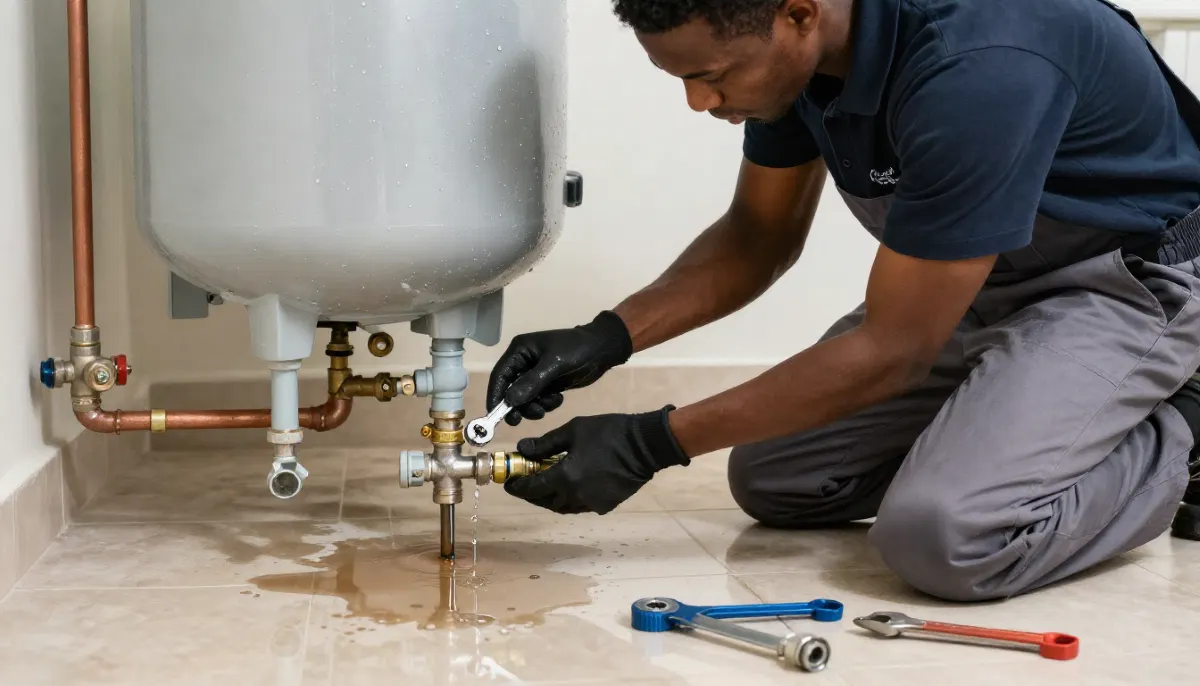
If your hot water comes out brown, yellow, or reddish, your geyser is rusting from the inside out. This is a sign you need a plumber immediately to assess whether replacement is needed.
Quick test: Run only cold water. If it runs clear, the issue is your geyser. If cold water is also discoloured, the issue may be your municipal supply or main water line.
Why it’s urgent: A rusting geyser tank is weakening. It could burst at any time, releasing hundreds of litres of hot water into your home, destroying ceilings, floors, and belongings. Don’t wait.
Read our geyser leaking repair guide and geyser installation costs guide for more.
🔥 9. Geyser Problems (Noise, Leaks, Inconsistent Temperature)
Your geyser works silently when healthy. Any of these professional plumber signs means you need professional attention:
- Popping or rumbling sounds: Sediment buildup at the bottom of the tank, reducing efficiency and shortening lifespan.
- Inconsistent water temperature: Fluctuating between scalding and cold suggests thermostat or element failure.
- Water pooling around the geyser: A leaking tank or failed pressure valve requires immediate attention.
- No hot water at all: Could be element, thermostat, or electrical issue.
- Geyser over 10-12 years old: Even without symptoms, start budgeting for replacement.
⚠️ Geyser Emergency:
If you see active water leaking from the geyser tank itself (not the pipes or valves), turn off the electricity supply to the geyser at the mains immediately, then call a professional. A burst geyser can cause catastrophic damage.
🔄 10. Frequent Pipe Repairs or Maintenance
If you’re calling a plumber every few months for different issues, your plumbing system is telling you something: it’s failing systemically, and patch repairs aren’t enough.
Signs you need comprehensive solutions:
- Multiple leaks occurring in different pipe sections
- Recurring blockages despite regular cleaning
- Consistent low pressure after repeated fixes
- Frequent component failures (valves, connectors, joints)
- Rising water bills despite repair efforts
- Home built before 1990 (galvanized steel pipes likely corroding)
The smart financial move: While individual repairs may seem affordable, the cumulative cost of repeated fixes often exceeds the investment in comprehensive solutions like whole-house re-piping. A professional inspection from a licensed plumber can identify whether you need ongoing maintenance or a complete system overhaul.
🚨 When to Call Immediately vs Schedule Later
Not all plumbing problems require an emergency call, but some cannot wait. Use this guide:
🚨 CALL IMMEDIATELY (Emergency)
- Active water gushing from pipes, ceilings, or walls
- Sewage backing up into your home
- Complete loss of water supply
- Geyser actively leaking from the tank
- Strong sewer gas smell throughout the house
- Water near electrical outlets or panels
📅 SCHEDULE SOON (Non-Emergency)
- Slow drains (not completely blocked)
- Low water pressure (not sudden drop)
- Small drips or stains (no active flow)
- Gurgling sounds without backup
- Water hammer noises
- Rising water bills (schedule leak detection)
For true emergencies, use our 24/7 emergency plumbing services. For non-emergencies, schedule a free inspection to catch problems early.
🛡️ Preventative Maintenance: Stop Problems Before They Start
The best way to avoid emergency when to call a plumber situations is regular maintenance. Here’s what you should be doing:
| Frequency | Task | Why It Matters |
|---|---|---|
| Monthly | Check under-sink pipes for leaks | Catches small drips before they cause damage |
| Monthly | Test water pressure at different fixtures | Identifies developing issues early |
| Quarterly | Clean drain screens and aerators | Prevents buildup that leads to blockages |
| Quarterly | Test geyser pressure relief valve | Ensures safety device functions properly |
| Annually | Professional plumbing inspection | Identifies issues you can’t see or hear |
| Annually | Professional drain cleaning | Prevents buildup that causes blockages |
| Every 3-5 years | Geyser anode replacement | Extends geyser life by 5+ years |
For a complete seasonal guide, download our Home Plumbing Maintenance Checklist.
❓ Frequently Asked Questions About Plumbing Warning Signs
What are the most common warning signs I need a plumber?
The most common warning signs need plumber attention include: persistent gurgling drains, consistently low water pressure, sewer smells indoors, visible water stains or damage, water hammer noises, slow or clogged drains, rising water bills, rusty hot water, geyser problems, and frequent need for repairs. Any of these warrant a professional inspection.
When should I call a plumber vs try DIY?
DIY is appropriate for: plunging a single blocked toilet, replacing tap washers, cleaning aerators, or using a drain snake on a single slow sink. You should call a professional when: multiple fixtures are affected, DIY attempts fail, you smell sewage, there’s active leaking, or you’re unsure of the cause. Knowing when to call a plumber prevents costly mistakes.
What are signs you need a plumber immediately (emergency)?
Signs you need a plumber immediately include: active water gushing from pipes/ceilings/walls, sewage backing up into your home, complete loss of water supply, geyser actively leaking from the tank, strong sewer gas smell throughout the house, or water near electrical outlets. For these, call emergency plumbing services right away.
What causes gurgling drains in my house?
Gurgling drains are typically caused by trapped air in pipes due to partial blockages, improper venting, or main sewer line issues. The sound occurs when air bubbles through water in drain traps as water drains slowly. This often indicates developing plumbing problems that will worsen without professional attention. A CCTV drain inspection can identify the exact cause.
How do I know if low water pressure is a serious problem?
Low water pressure becomes serious when: it affects multiple fixtures (whole-house issue), it’s accompanied by higher water bills (hidden leak), it’s a sudden dramatic drop (possible pipe failure), or DIY fixes like cleaning aerators don’t help. These professional plumber signs warrant immediate inspection to prevent water damage and structural issues.
Can I ignore a small water stain on my ceiling?
No. A small water stain indicates an active leak above. By the time water stains your ceiling, significant moisture has already accumulated. The leak won’t fix itself—it will only get worse, potentially leading to ceiling collapse, mould growth, and structural damage. Call a professional to locate and repair the source immediately. This is one of the most ignored warning signs need plumber attention.
How often should I have my plumbing professionally inspected?
Annual professional plumbing inspections are recommended for all homes. Older homes (pre-1990) or those with frequent issues may benefit from bi-annual inspections. Regular inspections catch plumbing problems early, extend system lifespan, and typically cost R500-R1,000—far less than emergency repairs. ServiceLink SA offers free inspections for qualifying homeowners.
What does water hammer sound like and is it dangerous?
Water hammer sounds like a loud bang, thud, or series of knocks in your pipes when water flow stops abruptly (like when a tap closes). It’s dangerous because each event stresses pipe joints and connections, eventually causing leaks or burst pipes. If you hear water hammer, call a plumber to install arrestors or secure loose pipes before damage occurs.
✅ Final Thoughts: Listen to What Your Plumbing Is Telling You
Your home’s plumbing system communicates constantly. Gurgles, drips, smells, and stains are its language. Learning to recognize these warning signs need plumber attention is one of the most valuable skills a homeowner can develop.
Key takeaways for South African homeowners:
- Never ignore early warning signs—small problems become expensive emergencies
- Know the difference between DIY fixes and when to call a professional
- Gurgling drains, low pressure, and sewer smells are top red flags
- Rising water bills often indicate hidden leaks before visible damage appears
- Geyser problems require immediate attention—rusty water means the tank is failing
- Annual professional inspections prevent most emergencies and save money
- Use verified, PIRB-registered plumbers for any work requiring a COC
Your action plan: Walk through your home today. Check under every sink. Listen at each drain. Look at your ceilings and walls. Check your water meter. Make a note of anything unusual. Then, use ServiceLink SA to schedule a free inspection or get quotes for any issues you’ve found. Early action saves homes—and bank accounts.
⚠️ Noticed Warning Signs in Your Home?
Don’t wait for small problems to become costly emergencies. ServiceLink SA connects you with verified, PIRB-registered plumbers for fast, professional diagnosis.
📞 Call us: 073 138 4726 for immediate help finding a plumber near you.
📚 Official resources & standards referenced:
- Plumbing Industry Registration Board (PIRB) – Professional plumber standards and registration verification.
- SANS 10400 – South African National Standard for plumbing compliance and installations.
- Department of Water and Sanitation – Water conservation and leak detection guidelines.
Information provided for general guidance based on industry research and PIRB/SANS standards. If you notice any warning signs need plumber attention, schedule an inspection promptly.
Written by: Innocent T Hanyani
Construction & Home Services Industry Specialist | 21+ Years Experience
Innocent T Hanyani has over two decades of experience working across South Africa’s plumbing,
construction, and property maintenance sectors. Throughout his career, he has worked closely
with plumbers, contractors, and homeowners, gaining practical insight into how plumbing
systems are installed, repaired, and maintained. His expertise helps homeowners understand
common plumbing problems, choose the right repair solutions, and find reliable service
professionals for everything from leak detection to full plumbing installations.
For more information about plumbing warning signs and maintenance, explore our related resources:
how to choose a plumber,
questions to ask a plumber,
licensed plumbers in South Africa,
low water pressure diagnosis and fixes,
and home plumbing maintenance checklist.
Our contractor verification process,
is ServiceLink SA legit, and
avoiding contractor scams guides offer additional protection.
See our service areas page for coverage in your region.