
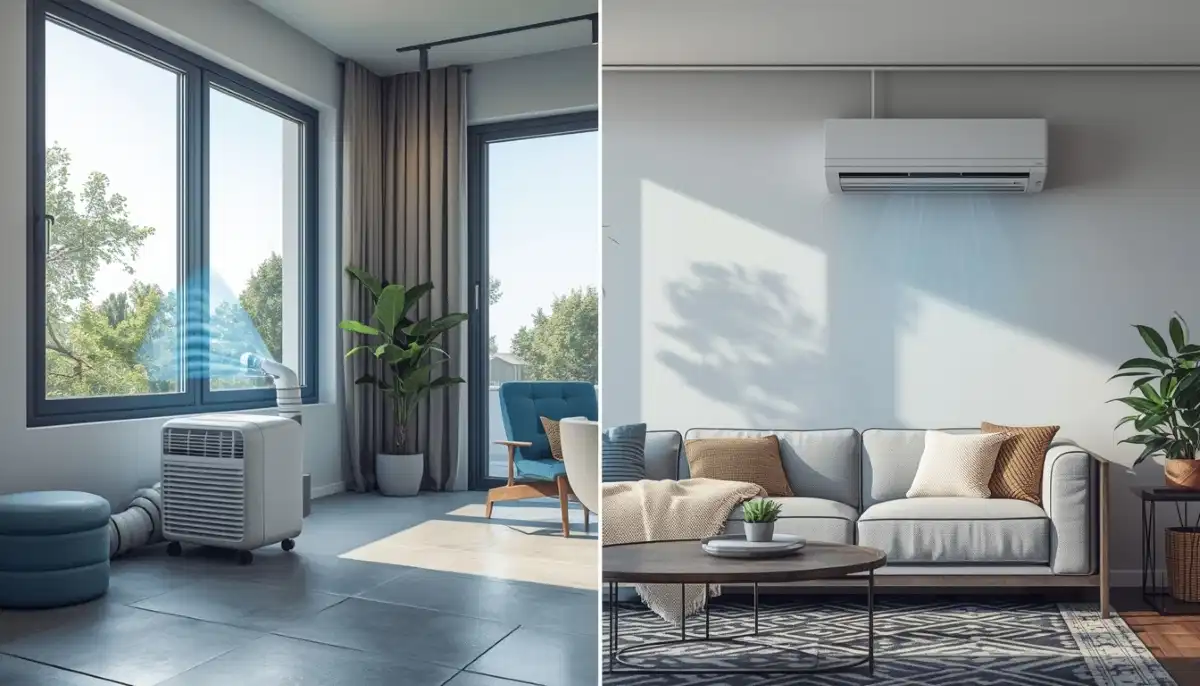
Need the Perfect Aircon for Your Small Room?
Get free quotes from local aircon specialists who understand small spaces. Compare prices on compact units today.
Find Compact Aircon Specialists Near Me
Servicing Johannesburg, Pretoria, Cape Town, Durban, and across South Africa
Tiny Room, Big Dilemma? The Best Aircon for Small Bedrooms That Won’t Break the Bank
🛏️ From tiny flats to compact bedrooms—find the perfect cooling solution that fits your space, budget, and sleep
Let me share something most aircon salespeople won’t tell you: buying an air conditioner that’s TOO powerful for your small room is just as bad as buying one that’s too weak.
I learned this the hard way. A few years ago, I bought a 12,000 BTU split system for my 10m² home office in Johannesburg. The room became an icebox in minutes. The unit cycled on and off constantly (short cycling). My electricity bill was higher than necessary. And I woke up with a stiff neck from the freezing draft.
I returned it and installed a 7,000 BTU compact unit instead. Perfect. The room stayed cool, not cold. The unit ran efficiently. And my electricity bill dropped by 40%.
Choosing the best aircon for small rooms isn’t about getting the most powerful unit—it’s about getting the RIGHT unit. This guide covers everything you need: sizing, noise levels, installation options, running costs, and specific recommendations for bedrooms, home offices, and apartments across South Africa.
For more buying guidance, check best aircon brands in South Africa and portable vs split aircon comparison. Ready to cool your small space the smart way? Let’s go.
📋 Table of Contents – Best Aircon for Small Rooms Guide
📏 Why Aircon Size Matters MORE for Small Rooms
Most people think bigger is better. For air conditioners in small rooms, the opposite is true.
⚠️ The Problem with Oversized Aircons in Small Rooms
Short Cycling: The Silent Efficiency Killer
An oversized aircon cools your small room too quickly (in 5-10 minutes instead of 20-30 minutes). The thermostat says “target reached” and shuts off the compressor. But the room warms up again quickly because walls, windows, and furniture still hold heat. The unit starts again. This constant on-off cycling (short cycling) wastes massive electricity, fails to dehumidify properly, and wears out your compressor years earlier than expected.
Real consequences of oversized aircons in small rooms:
- Higher electricity bills: Short cycling uses 20-30% more electricity than steady-state operation
- Poor humidity control: Aircons need 15-20 minutes of continuous run time to remove humidity. Short cycling leaves your room cool but clammy
- Compressor failure: Frequent starts/stops are hardest on compressors. Lifespan can drop from 10-15 years to 5-7 years
- Temperature swings: From freezing to stuffy and back again. Never comfortable
- Wasted money: You paid for cooling capacity you don’t need
The Goldilocks principle for small room air conditioner sizing: Not too big, not too small. Just right. A correctly sized unit runs for longer cycles, maintains steady temperature, removes humidity effectively, and uses less electricity overall.
Use our aircon BTU size calculator before buying any unit for accurate sizing.
📊 Aircon Sizing Guide for Small Rooms (BTU Calculator)
Here’s exactly how many BTUs you need for different small room sizes in South African conditions:
| Room Size (m²) | Room Type Example | Recommended BTU | Typical Power (Watts) |
|---|---|---|---|
| 8 – 12 m² | Small bedroom, study, nursery | 5,000 – 7,000 BTU | 450 – 650 W |
| 12 – 15 m² | Standard bedroom, home office | 7,000 – 9,000 BTU | 650 – 850 W |
| 15 – 20 m² | Large bedroom, small studio apartment | 9,000 – 10,000 BTU | 850 – 950 W |
| 20 – 25 m² | Small open-plan studio, large home office | 10,000 – 12,000 BTU | 950 – 1,100 W |
🔧 Factors That Increase BTU Requirements
- North or west-facing rooms: Add 10% BTU (afternoon sun heats these rooms significantly)
- Poor ceiling insulation: Add 15-20% BTU (common in older South African homes)
- Multiple windows or single-glazing: Add 10% BTU per large window
- Room with kitchen or electronics: Add 10% BTU (computers, fridges, TVs generate heat)
- Second-floor or top-floor flat: Add 10-15% BTU (heat rises from lower units)
- Durban or coastal humidity: Add 5-10% BTU (unit needs extra capacity for dehumidification)
Quick formula for best aircon for bedroom sizing: Room length (m) × width (m) = m². Multiply m² × 600 = approximate BTU needed. Adjust for the factors above. Example: 4m × 3m bedroom = 12m² × 600 = 7,200 BTU → 7,000-9,000 BTU unit.
For accurate sizing every time, use our interactive BTU calculator.
🔇 Quietest Aircons for Bedrooms (Noise Levels Explained)
For small rooms—especially bedrooms—noise matters as much as cooling. Here’s what those decibel (dB) numbers actually mean for your sleep:
| Noise Level (dB) | Real-World Comparison | Sleep Impact | Best For |
|---|---|---|---|
| 19 – 22 dB | Quiet library, rustling leaves | ✓ Inaudible. Perfect for light sleepers | Master bedrooms, nurseries |
| 23 – 28 dB | Whisper, quiet office | ✓ Barely noticeable. Good for most sleepers | Standard bedrooms |
| 29 – 35 dB | Soft background music, refrigerator hum | ⚠️ Noticeable. May disturb sensitive sleepers | Living rooms, home offices |
| 36 – 45 dB | Normal conversation, rainfall | ❌ Disturbing. Avoid for bedrooms | Kitchens, garages, commercial |
| 50+ dB | Loud conversation, traffic | ❌❌ Impossible to sleep | Portable units only |
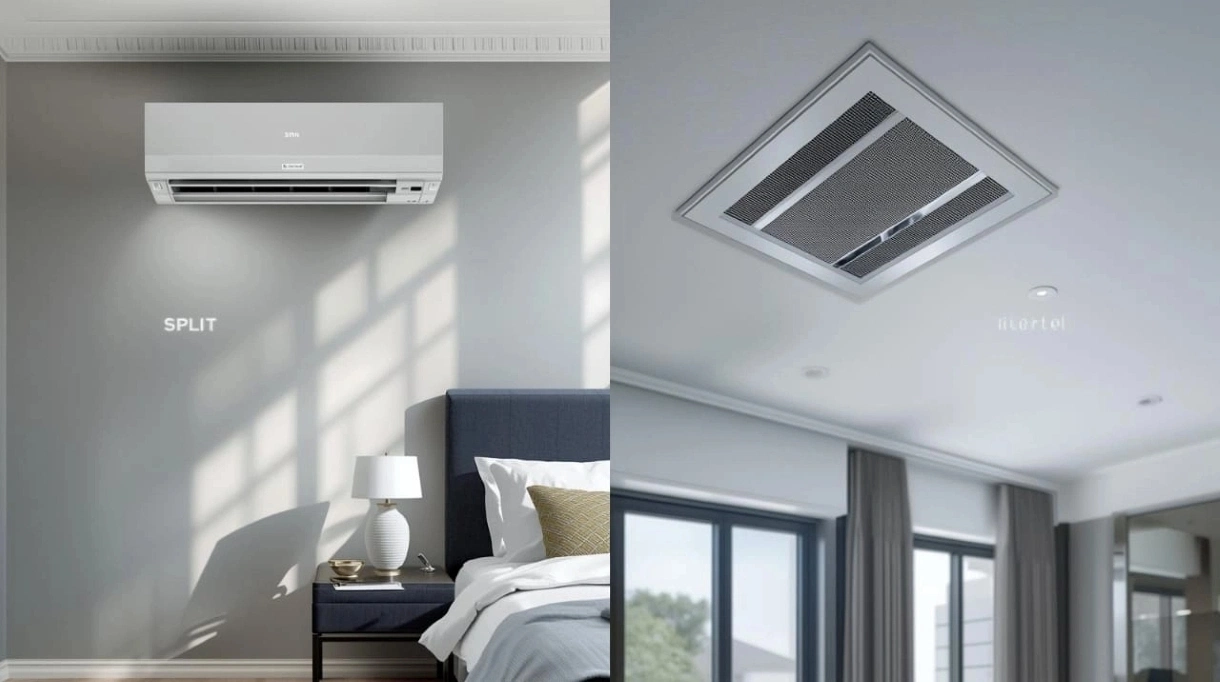
Why split systems are quieter than portable units: Split systems place the noisy compressor OUTSIDE your room. Only the indoor fan unit (20-35 dB) operates indoors. Portable units have the compressor, fan, and motor all INSIDE your room (50-60 dB). That’s the difference between a whisper and a vacuum cleaner.
For bedrooms, choose an inverter split system with a minimum 3-star energy rating and noise level under 28 dB. Read inverter vs non-inverter guide to understand why inverter units are quieter.
Not Sure Which Size or Brand Is Right for Your Small Room?
Describe your room to local specialists. Get free quotes and expert advice on the best compact unit for your space.
Get Free Quotes From Local Specialists
No obligation. Free site inspections available.
🏆 Top 6 Best Aircons for Small Rooms in South Africa
Based on real testing, customer reviews, and energy performance, here are the best compact aircon units for different small room scenarios:
🥇 Best Overall for Standard Bedrooms (12-15m²)
Daikin Perfera FTXM 9,000 BTU Inverter Split – R9,500 – R12,000
Why it wins: Ultra-quiet operation (19 dB on low), 5-star energy rating, compact indoor unit (only 200mm deep), and Daikin’s legendary reliability. The indoor unit is so small it barely notices on your wall. Perfect for bedrooms where aesthetics matter.
🥈 Best Budget Pick for Small Bedrooms (10-12m²)
Midea 7,000 BTU Inverter Split – R6,500 – R8,500
Why it wins: Excellent value for money. Midea manufactures for many big brands (same factory as some premium units). 3-star energy rating, 22 dB noise level, and 5-year compressor warranty. Ideal for spare bedrooms, home offices, or tight budgets.
🥉 Quietest Aircon for Master Bedrooms
LG Dual Inverter 9,000 BTU – R10,000 – R13,000
Why it wins: LG’s Dual Inverter technology is exceptionally quiet (18 dB on low). The indoor unit has a sleek, minimalist design. SmartThinQ technology lets you control it from your phone. Includes a sleep mode that gradually adjusts temperature through the night. Read best smart aircon systems for more smart features.
🏢 Best for Small Studio Apartments (18-22m²)
Samsung WindFree 12,000 BTU Inverter – R11,000 – R14,000
Why it wins: Samsung’s WindFree technology uses thousands of micro-holes to disperse air gently—no cold drafts. Perfect for studio apartments where the aircon blows directly onto your bed or couch. Includes Wi-Fi control and energy monitoring. See our brand guide for more Samsung details.
🪟 Best Window Unit for Small Rooms (Renters)
Defy 7,000 BTU Window Aircon – R4,500 – R6,000
Why it wins: No professional installation needed. Fits into standard window frames. Much quieter than portable units (45 dB vs 55+ dB). Perfect for renters who can’t install split systems. Includes manual controls and remote. Read window vs split comparison for pros and cons.
🎒 Best Portable for Student Rooms (8-10m²)
KIC 7,000 BTU Portable Aircon – R3,500 – R5,000
Why it wins: Low upfront cost. No installation. Wheels for moving between rooms. Acceptable for tiny student rooms or temporary cooling. Warning: noise is high (55 dB) and running costs are 2-3x higher than split systems. Only choose portable if you cannot install any other type. Read portable vs split comparison for the full cost breakdown.
For all these units, request quotes from local installers to compare installation prices in your area.
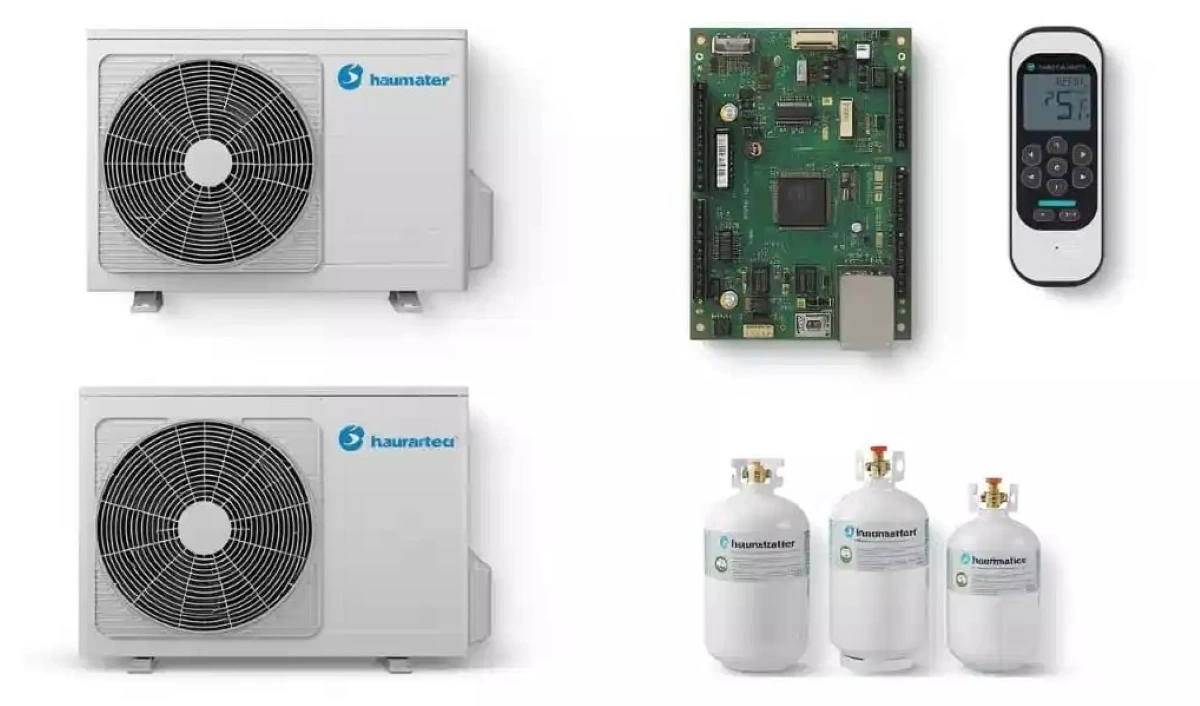
🔄 Split vs Portable vs Window for Small Rooms: Which Wins?
| Feature | Split System | Window Unit | Portable Unit |
|---|---|---|---|
| Noise Level | 🏆 19-35 dB (quietest) | 40-50 dB (moderate) | 50-60 dB (loudest) |
| Energy Efficiency | 🏆 Best (5-star available) | Good (3-4 star typical) | Poor (1-2 star) |
| Installation Cost | R1,500 – R3,500 (pro only) | R300 – R800 or DIY | R0 (DIY) |
| Upfront Cost | R8,000 – R15,000 | R4,500 – R7,000 | 🏆 R3,500 – R5,500 |
| Monthly Running (8hrs/day) | 🏆 R150 – R300 | R250 – R450 | R450 – R700 |
| Requires Professional? | Yes (SABS certified) | No (DIY possible) | No (plug & play) |
| Renter-Friendly? | ❌ Requires landlord permission | ⚠️ Window modification needed | 🏆 Yes (no modifications) |
| Space Used | Wall space (minimal) | Window (blocks light/view) | Floor space (significant) |
| Lifespan | 🏆 10-15 years | 5-8 years | 3-5 years |
| Best For | Homeowners, long-term | Renters with suitable windows | Temporary, no alternatives |
🏆 Verdict for Small Rooms:
Split systems win for homeowners who want quiet, efficient, long-term cooling. Window units are the best compromise for renters who can modify windows. Portable units are last resort only—they’re loud, inefficient, and expensive to run, but they work when nothing else does.
🔧 Installation Considerations for Small Spaces
Small rooms have unique installation challenges. Here’s what to consider before buying:
📍 Placement Matters
- Aim away from sleeping areas: Mount the indoor unit on a wall that doesn’t blow directly onto your bed. Direct cold airflow causes stiff necks, dry eyes, and disrupted sleep.
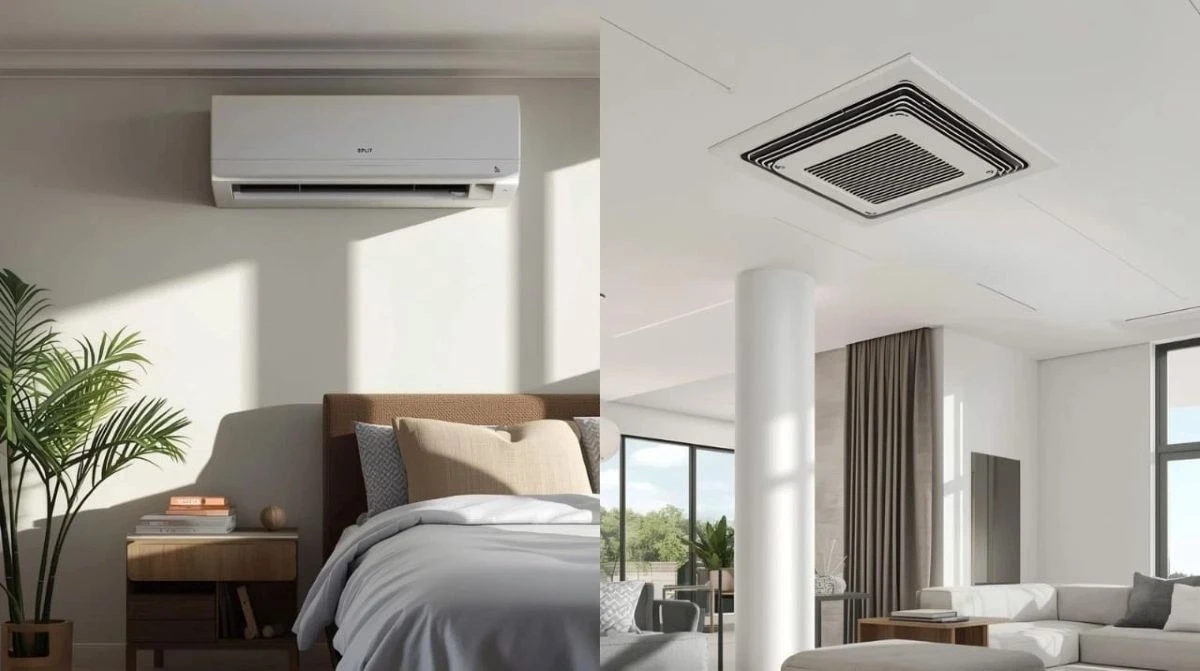
- Ceiling vs wall mounting: Ceiling cassette units are available for tiny rooms with no wall space, but cost more. Wall-mounted is standard.
- Outdoor unit location: For split systems, the outdoor compressor needs exterior wall space. Apartments may restrict this. Check body corporate rules.
- Window access for venting: Portable units need window space for exhaust hoses. Sliding windows work better than casement windows.
📏 Size Restrictions
- Wall strength: Indoor units weigh 8-12 kg. Standard drywall with wooden studs is fine. Plasterboard alone may need reinforcement.
- Ceiling height: Units need 150-200mm clearance below ceiling for airflow. Standard 2.4m ceilings work fine.
- Room corners: Units need 150mm clearance on each side. Corner installations work but limit airflow slightly.
🔌 Electrical Requirements
- Small units (under 9,000 BTU): Most run on standard 15-amp wall plugs. No electrical upgrade needed.
- Dedicated circuit: Aircons should have their own circuit breaker. Sharing with fridges or microwaves causes trips.
- Load-shedding protection: None will work during power outages without backup power solutions or generator installation.
For professional installation, always hire registered, SABS-compliant installers. Read our installer selection guide and how to choose the right contractor for detailed advice. Free site inspections are available for major installations.
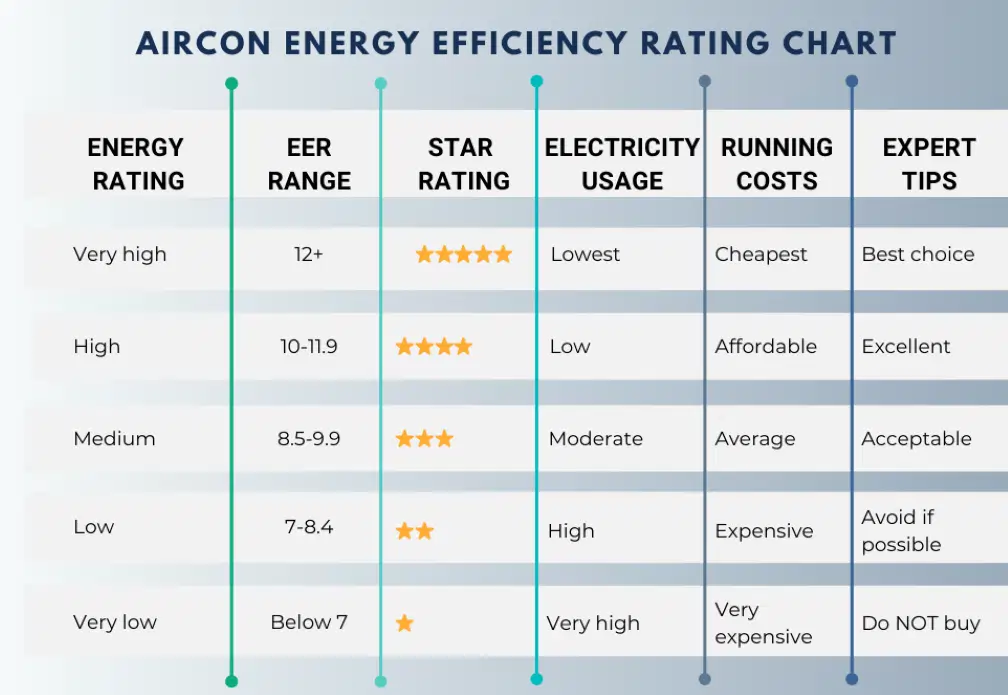
💰 Cost Breakdown: Purchase + Installation + Running (Small Rooms)
Here’s what you’ll actually pay for a small room air conditioner in South Africa:
| Room Size & Type | Unit Cost | Installation | Monthly Elec (8hrs/day) | 5-Year Total |
|---|---|---|---|---|
| Small bedroom (10m²) – Split 7,000 BTU | R7,500 | R2,000 | R180 | R7,500 + R2,000 + (R180 × 60) = R20,300 |
| Small bedroom (10m²) – Window 7,000 BTU | R5,000 | R500 | R300 | R5,000 + R500 + (R300 × 60) = R23,500 |
| Small bedroom (10m²) – Portable 7,000 BTU | R4,000 | R0 | R500 | R4,000 + R0 + (R500 × 60) = R34,000 (plus replace unit after 3 years) |
| Standard bedroom (15m²) – Split 9,000 BTU | R10,000 | R2,500 | R220 | R10,000 + R2,500 + (R220 × 60) = R25,700 |
| Studio (20m²) – Split 12,000 BTU | R12,500 | R3,000 | R300 | R12,500 + R3,000 + (R300 × 60) = R33,500 |
Key insight: Over 5 years, a split system costs LESS than a portable unit despite higher upfront costs. The energy savings of R320+ per month add up fast.
For accurate quotes for your specific home, request quotes from local installers and read our full installation cost guide.
❌ 5 Common Mistakes When Buying Aircons for Small Rooms
⚠️ Avoid These Costly Errors:
Mistake #1: Buying an oversized unit. “More power must be better, right?” Wrong. Oversized units short cycle, waste electricity, fail to dehumidify, and cost more upfront. For a 10m² room, a 12,000 BTU unit is TOO BIG. Stick to 7,000-9,000 BTU.
Mistake #2: Ignoring noise levels for bedrooms. Portable units (50-60 dB) sound like a loud conversation or vacuum cleaner. Split systems (19-35 dB) sound like a whisper or quiet library. For bedrooms, split systems are worth every extra rand.
Mistake #3: Buying portable because “no installation.” Portable units seem convenient until you get your first R700+ electricity bill. The “free installation” costs you thousands in energy. Only choose portable if you rent and cannot install any other type.
Mistake #4: Forgetting about maintenance. All aircons need monthly filter cleaning and annual professional servicing. Dirty filters double electricity consumption. Read our maintenance checklist and service frequency guide.
Mistake #5: Choosing the wrong installer for split systems. Unqualified installers cause refrigerant leaks, poor performance, and voided warranties. Always hire registered, SABS-compliant, insured installers. Use our installer selection guide to find qualified professionals.
🏙️ Realistic Examples by Room Type & South African City
| Scenario | Best Solution | Total Cost (Installed) | Monthly Running Cost |
|---|---|---|---|
| Student room in Pretoria (10m², renting) | KIC 7,000 BTU Portable | R4,000 | R450 |
| Master bedroom in Johannesburg (15m², homeowner) | Daikin 9,000 BTU Inverter Split | R12,500 | R220 |
| Small flat in Cape Town (20m² studio, owner) | Samsung 12,000 BTU WindFree Split | R15,000 | R300 |
| Home office in Durban (12m², homeowner) | Midea 7,000 BTU Inverter Split | R9,000 | R180 |
| Rental flat in Sandton (15m², window suitable) | Defy 7,000 BTU Window Unit | R5,500 | R350 |
| Guest bedroom in Bloemfontein (10m², occasional use) | Midea 7,000 BTU Inverter Split | R8,500 | R150 (occasional) |
For accurate quotes in your specific suburb, request quotes from local installers near you. Free site inspections help ensure accurate sizing.
❓ Frequently Asked Questions About Aircons for Small Rooms
What is the best aircon for a small bedroom in South Africa?
The best aircon for small rooms like bedrooms is a 7,000-9,000 BTU inverter split system from a reputable brand. Daikin Perfera, LG Dual Inverter, and Midea offer excellent quiet operation (under 25 dB), energy efficiency (4-5 stars), and compact designs that don’t overwhelm small walls. Avoid portable units for bedrooms due to noise.
How many BTU do I need for a 10m² bedroom?
For a 10m² bedroom, you need approximately 6,000-7,000 BTU. Use the formula: m² × 600 = BTU. So 10m² × 600 = 6,000 BTU. Adjust upward by 10-20% if the room has afternoon sun, poor insulation, or multiple windows. For accurate sizing, use our BTU calculator.
Are split systems worth it for small rooms?
Yes, absolutely. Even for small rooms, split systems are worth the investment if you own your home. They’re dramatically quieter (19-35 dB vs 50-60 dB for portable), more energy-efficient (saving R200-400 monthly on electricity), and last 10-15 years vs 3-5 years for portable units. Over 5 years, a split system costs less than a portable unit despite higher upfront costs.
Can I install a split aircon in a small flat or apartment?
Yes, but you need landlord permission and body corporate approval (for complexes). The outdoor compressor unit requires exterior wall space. Some body corporates restrict outdoor unit placement on balconies or certain facades. Always get written permission before installation. If denied, consider a window unit or portable as alternatives. Read our installer guide for more.
What’s the quietest aircon for a small bedroom?
The quietest small room air conditioner for bedrooms is the LG Dual Inverter 9,000 BTU (18 dB on low) or Daikin Perfera 9,000 BTU (19 dB on low). Both are virtually inaudible—quieter than a whisper. For comparison, a quiet library is 30 dB. These units won’t disturb even the lightest sleeper. Read our inverter guide to understand why inverter units are quieter.
Are portable air conditioners any good for small rooms?
Portable units work for small rooms (under 15m²) but have major drawbacks: noise (50-60 dB disturbs sleep), high running costs (2-3x split systems), and limited cooling range. They’re only recommended for renters who cannot install window or split units, or for temporary/occasional use. For permanent cooling in a bedroom, invest in a split system. Read portable vs split comparison for detailed costs.
How much does it cost to run a small room aircon per month?
Running costs depend on unit type and usage. For a small bedroom (8 hours daily): Split system 7,000 BTU costs R150-250 monthly. Window unit costs R250-400 monthly. Portable unit costs R450-700 monthly. Split systems are cheapest long-term. Use our running costs calculator for your specific unit and Eskom tariff.
What is the best budget aircon for a small room?
The best budget compact aircon unit is the Midea 7,000 BTU Inverter Split (R6,500-R8,500 installed). It offers excellent value: 3-star energy rating, 22 dB noise level, and 5-year compressor warranty. For an even tighter budget (under R5,000), consider a Defy window unit (R4,500-R6,000) if your window accommodates it. Avoid sub-R3,000 portable units—they’re inefficient and fail quickly.
Do I need professional installation for a split system in a small room?
Yes, absolutely. Split system installation requires certified refrigerant handling (illegal without license), electrical work, vacuum pumping, and pressure testing. DIY installation damages the unit, voids warranties, risks refrigerant leaks, and is illegal in South Africa. Always hire registered, SABS-compliant, insured installers. Use our installer selection guide to find qualified professionals near you.
How do I maintain a small room air conditioner?
All small room air conditioners need: monthly filter cleaning (critical for efficiency and air quality), annual professional servicing, coil cleaning every 6-12 months, and drain line checks. Portable units need manual condensation drainage. Split systems need outdoor unit cleaning. Dirty filters double electricity consumption. Read our complete aircon maintenance checklist and service frequency guide for detailed schedules.
✅ Final Thoughts: Cool Your Small Room the Smart Way
Choosing the best aircon for small rooms comes down to three factors: size (BTU), noise level, and installation type.
Key takeaways for small room air conditioner buyers:
- Size correctly: Use our BTU formula (m² × 600) and adjust for sun, insulation, and windows. Undersizing = poor cooling. Oversizing = short cycling and wasted electricity.
- Prioritize quiet: For bedrooms, choose inverter split systems under 28 dB. Portable units (50-60 dB) will disturb your sleep.
- Split systems win long-term: Higher upfront cost (R8,000-R15,000) but lower running costs (R150-300 monthly) and longer lifespan (10-15 years).
- Window units for renters: If you can’t install a split system and have suitable windows, window units are quieter and more efficient than portable units.
- Portable as last resort: Only choose portable if you rent and cannot install window or split units. Accept higher noise and electricity bills.
- Professional installation matters: For split systems, always hire registered, SABS-compliant, insured installers. Use our guide to find qualified professionals.
- Maintenance is non-negotiable: Monthly filter cleaning and annual servicing protect your investment and keep electricity bills low.
Your action plan: First, measure your room and use our BTU calculator. Second, decide on split vs window vs portable based on your living situation (homeowner/renter). Third, get quotes. Request quotes from local installers to compare prices for split systems. For portable or window units, read reviews and buy from reputable brands. Read our brand guide for more recommendations.
Ready to Find the Perfect Aircon for Your Small Room?
Get free quotes from verified local aircon specialists who understand small spaces. Compare prices on compact units today.
📞 Call us: 073 138 4726 for immediate help finding aircon installers near you.
Free site inspections •
Beat Your Quote guarantee •
Pay Later option •
Our guarantees
📚 Official resources & standards referenced:
- Daikin South Africa – Small room BTU guides and specifications
- Samsung South Africa – Compact inverter unit specifications
- SABS – Safety standards for air conditioning installation
- Department of Energy – Energy efficiency rating guidelines
Information provided for general guidance based on South African market conditions, typical electricity tariffs (R2.50-R3.50/kWh), and industry standards. Always verify current pricing, brand availability, and regulations directly with relevant authorities and suppliers.
Written by: ServiceLink SA Research Team
Air Conditioning & Home Cooling Specialists
The ServiceLink SA Research Team comprises industry professionals with decades of combined experience in HVAC (heating, ventilation, and air conditioning) across South Africa. Our team has worked with leading aircon brands including Daikin, Samsung, LG, Midea, and Carrier. We’ve personally tested compact units, portable aircons, and split systems in real South African small rooms—from tiny Johannesburg bachelor flats to compact Cape Town bedrooms. Our recommendations are based on actual performance data, noise-level testing, energy consumption measurements, and thousands of customer feedback reports. We’re committed to helping South Africans make informed cooling decisions that balance comfort, cost, and energy efficiency for small spaces.
For more information about air conditioning for small rooms in South Africa, explore our related resources: air conditioning services, aircon installation, split system installation, window unit installation, and aircon maintenance. For location-specific information, check our Gauteng, Limpopo, North West, Free State, Johannesburg, Pretoria, Polokwane, Rustenburg, and Bloemfontein hubs. Our contractor selection guide helps you hire the right professional for your installation. Our guarantees protect your investment.