
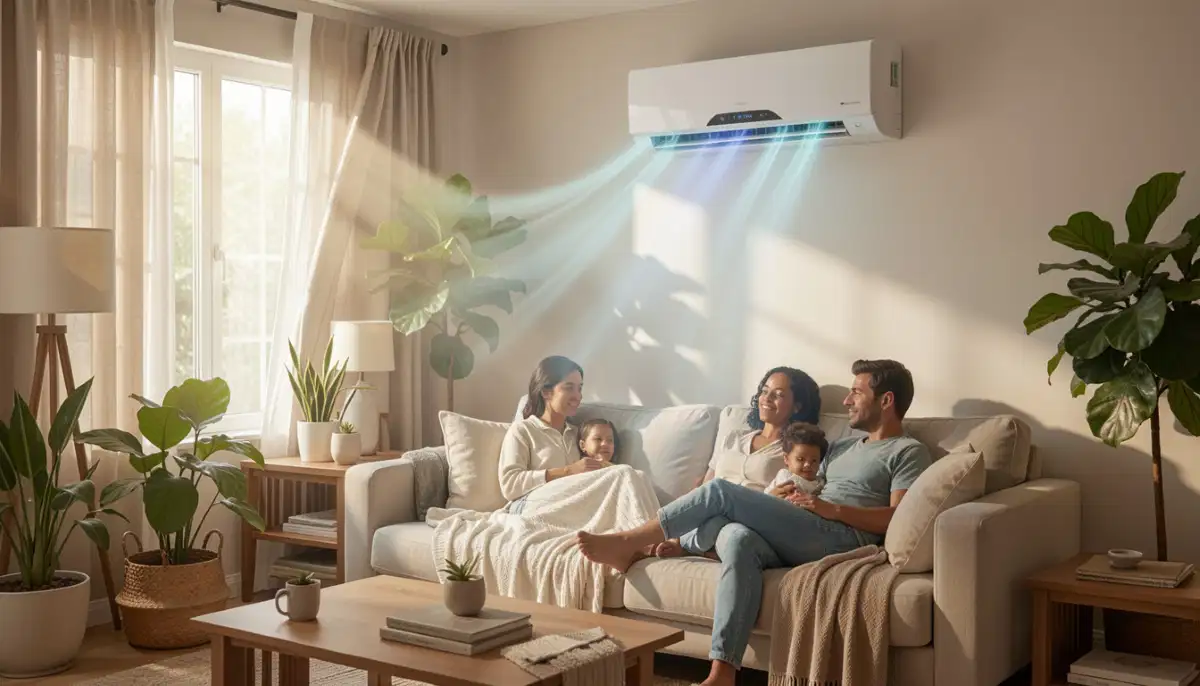
Ready to Upgrade to a Smart Aircon System?
Get free quotes from local installers who specialize in smart AC setup. Compare prices on LG, Samsung, and Daikin smart systems.
Find Smart Aircon Specialists Near Me
Servicing Johannesburg, Pretoria, Cape Town, Durban, Sandton, and across South Africa
Best Smart Aircon Systems South Africa: Control Your Cooling from Your Phone
📱❄️ From Wi-Fi control to voice commands and energy monitoring—everything you need to know about smart air conditioning
It’s 3 PM. You’re sitting at your office in Sandton. The South African summer sun is blazing. You remember you left your home aircon running all morning. Your electricity bill flashes through your mind.
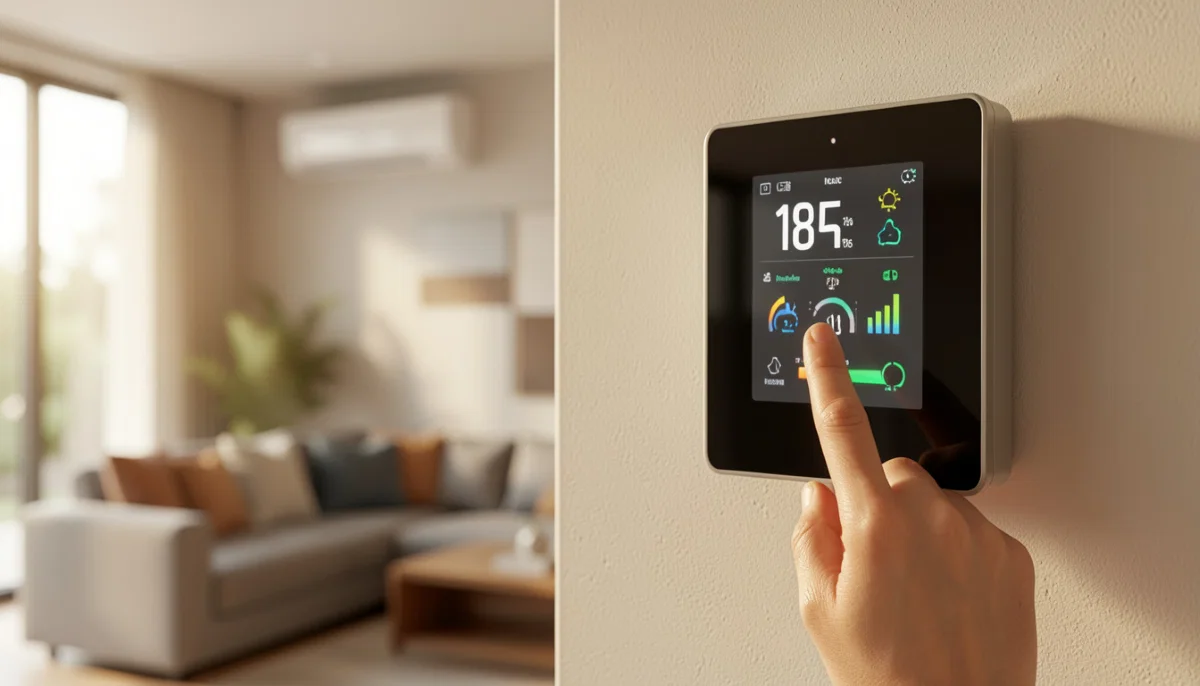
Then you remember: you installed a smart aircon system last month. You open the app on your phone. You see the current temperature (22°C), the energy consumption (R12 so far today), and the humidity level (48%). With one tap, you turn it off. Relief.
Later, driving home, you open the app again. You set the living room to 23°C. By the time you walk through the door, your home is perfectly cool. No waiting. No sweating.
That’s the power of smart aircon systems. They’re not just about remote control—they’re about energy savings, automation, comfort scheduling, and integration with your smart home ecosystem.
This guide covers everything: what makes an aircon “smart”, the best brands in South Africa (LG, Samsung, Daikin), installation requirements, energy savings potential, and how to choose the right system for your home.
For more buying guidance, check best aircon brands in South Africa and inverter vs non-inverter guide. Ready to enter the world of smart cooling? Let’s go.
📋 Table of Contents – Smart Aircon Systems Guide
📱 What Makes an Aircon “Smart”?
A smart aircon system is an air conditioner with built-in Wi-Fi connectivity and a companion smartphone app. Unlike traditional aircons with only a remote control, smart aircons let you control temperature, mode, fan speed, and scheduling from anywhere with an internet connection.
Core smart capabilities:
- Remote control via smartphone app: Turn your aircon on/off, adjust temperature, change modes from anywhere—office, beach, or another province.
- Scheduling and timers: Set your aircon to turn on at 5 PM (so your home is cool when you arrive) and off at 10 PM (while you sleep).
- Energy monitoring: See real-time and historical energy consumption. Track costs per day, week, or month. Identify wasteful usage.
- Voice control: “Hey Google, set the living room aircon to 22 degrees.” Works with Amazon Alexa, Google Assistant, and sometimes Apple HomeKit.
- Geofencing: Automatically turn off when you leave home and turn on when you return (based on your phone’s location).
- Usage reports and insights: Receive monthly reports on energy usage, runtime hours, and cost estimates.
- Smart home integration: Connect with smart thermostats, sensors, and automation routines (e.g., “Good night” routine turns off lights and sets bedroom aircon to 20°C).
- Firmware updates: Your aircon improves over time with new features and bug fixes.
A wifi air conditioner is not just a gimmick—it’s a genuinely useful feature that saves energy (by preventing forgotten units from running all day) and improves comfort (pre-cooling your home before arrival).
For homes with home automation, a smart AC control system is essential for integration. Read our smart AC setup guide for installation details.
🔧 Key Smart Features Explained (What Actually Matters)
Not all smart features are equally useful. Here’s what to look for when comparing smart aircon systems:
| Feature | What It Does | Why It Matters | Must-Have? |
|---|---|---|---|
| Remote On/Off & Temp Adjustment穷 | Control from anywhere via app穷 | Turn off forgotten units, pre-cool home before arrival穷 | ✅ Yes |
| Scheduling穷 | Set automatic on/off times穷 | Save energy by running only when needed穷 | ✅ Yes |
| Energy Monitoring穷 | Track real-time kWh usage穷 | Identify waste, understand costs, change behavior穷 | ✅ Yes |
| Geofencing穷 | Auto-off when you leave, auto-on when you return穷 | Never forget to turn off aircon again穷 | ⚠️ Nice-to-have |
| Voice Control (Alexa/Google)穷 | Control with voice commands穷 | Hands-free operation, smart home integration穷 | ⚠️ Nice-to-have |
| Usage Reports穷 | Monthly energy & runtime summaries穷 | Track long-term patterns, identify inefficiencies穷 | ⚠️ Nice-to-have |
| Smart Home Integration穷 | Connect with lights, blinds, sensors穷 | Automated routines (“Good night” mode)穷 | ⚠️ For enthusiasts |
| Firmware Updates穷 | Automatic software updates穷 | New features, security patches, bug fixes穷 | ✅ Yes (should be automatic) |
💡 Smart Feature Prioritization:
Remote control, scheduling, and energy monitoring are the most valuable smart features for most homeowners. Geofencing and voice control are nice-to-have but not essential. Don’t pay a huge premium just for voice control—most systems include it anyway.
🏆 Top Smart Aircon Brands in South Africa
The three leading brands for smart aircon systems in South Africa are LG, Samsung, and Daikin. Each has different strengths, app ecosystems, and price points.
Brand Comparison at a Glance
| Brand | Smart Platform | Voice Assistants | Energy Monitoring | Price Premium | Best For |
|---|---|---|---|---|---|
| LG | ThinQ | Google, Alexa, Siri | ✅ Yes (detailed) | Moderate (+10-15%) | Overall best smart features |
| Samsung | SmartThings | Google, Alexa, Bixby | ✅ Yes | Moderate (+10-15%) | SmartThings ecosystem users |
| Daikin | Daikin Comfort Control | Google, Alexa | ⚠️ Basic | Low (+5-10%) | Reliability-focused buyers |
🇰🇷 LG Smart Aircon (ThinQ Technology)
LG’s smart aircon systems use their proprietary ThinQ platform—one of the most mature and feature-rich smart AC platforms available in South Africa.
Key LG Smart Features:
- LG ThinQ App: Intuitive interface with remote control, scheduling, energy monitoring, and usage reports. Available on iOS and Android.
- Energy Monitoring: Real-time and historical energy consumption. See daily, weekly, and monthly costs. Receive alerts for unusual usage.
- Smart Diagnosis: The app can diagnose problems and suggest fixes before you call a technician. Saves time and money.
- Voice Control: Works with Google Assistant, Amazon Alexa, and Apple Siri (via Shortcuts).
- Kill A/C Mode: Automatically turns off the aircon when a window or door is opened (requires optional sensor). Prevents energy waste.
- Smart Scheduling: Advanced scheduling with multiple time slots per day. Set different temperatures for morning, afternoon, evening, and night.
- Dual Inverter Compressor: LG’s proprietary inverter technology is exceptionally quiet (18 dB on low) and energy-efficient (4-5 star ratings). Read our inverter guide for details.
Best LG Smart Models for South Africa:
- LG Dual Inverter 9,000 BTU (S09ET): Perfect for bedrooms (R10,000-R13,000 installed). Ultra-quiet, energy-efficient, full ThinQ features.
- LG Dual Inverter 12,000 BTU (S12ET): Ideal for living rooms or master bedrooms (R12,000-R15,000 installed).
- LG Multi-Split Systems: Smart control for multiple indoor units from one app. Perfect for large homes.
Why Choose LG: Best-in-class smart features, excellent energy monitoring, and ultra-quiet operation. The ThinQ app is widely considered the most user-friendly among AC brands. Read LG South Africa’s official site for specifications.
🇰🇷 Samsung Smart Aircon (SmartThings Integration)
Samsung’s wifi air conditioner systems integrate seamlessly with the SmartThings ecosystem—perfect for homeowners already using Samsung appliances, phones, or smart home devices.
Key Samsung Smart Features:
- SmartThings App: Control your aircon alongside other Samsung devices (TVs, fridges, washing machines, lights, sensors). One app for your entire smart home.
- WindFree Technology: Samsung’s signature feature. Instead of direct cold airflow, thousands of micro-holes disperse air gently. No cold drafts—perfect for bedrooms and living rooms where aircon blows directly onto you. Read more about WindFree technology.
- AI Auto Cooling: The aircon learns your usage patterns and automatically adjusts temperature and fan speed for optimal comfort and efficiency.
- Energy Monitoring: Track consumption in the SmartThings app. Receive recommendations to save energy.
- Voice Control: Works with Google Assistant, Amazon Alexa, and Samsung’s Bixby.
- SmartThings Routines: Create automated routines. Example: “Good Morning” routine turns off bedroom aircon, turns on living room aircon to 22°C, and opens smart blinds.
- Digital Inverter Technology: Samsung’s inverter compressor is energy-efficient and quiet (20-25 dB typical).
Best Samsung Smart Models for South Africa:
- Samsung WindFree 9,000 BTU (AR09): Bedroom favorite (R10,000-R14,000 installed). No cold drafts, SmartThings control, energy monitoring.
- Samsung WindFree 12,000 BTU (AR12): Living room or master bedroom (R12,000-R16,000 installed).
- Samsung WindFree 18,000 BTU (AR18): Large living areas or open-plan spaces (R16,000-R22,000 installed).
Why Choose Samsung: Best-in-class WindFree technology (no cold drafts), excellent SmartThings ecosystem integration, and AI learning features. Perfect for Samsung smart home users. Read Samsung South Africa’s official site for specifications.
Want a Smart Aircon But Not Sure Which Brand?
Describe your home and preferences to local specialists. Get free quotes and expert advice on LG, Samsung, and Daikin smart systems.
Get Free Quotes From Local Specialists
Free site inspections available. Pay Later option for qualifying homeowners.
🇯🇵 Daikin Smart Aircon (Daikin Comfort Control)
Daikin is the most trusted aircon brand globally for reliability. Their smart AC control platform (Daikin Comfort Control) offers solid smart features without the premium price of LG or Samsung.
Key Daikin Smart Features:
- Daikin Comfort Control App: Remote control, scheduling, and basic energy monitoring. Interface is functional but less polished than LG or Samsung.
- Voice Control: Works with Google Assistant and Amazon Alexa.
- Scheduling: Basic on/off timers and weekly schedules. Less advanced than LG’s multi-slot scheduling.
- Energy Monitoring: Basic consumption tracking. Less detailed than LG’s offering.
- Intelligent Eye: Optional motion sensor detects if a room is occupied. Automatically reduces cooling when empty (saves energy).
- Flash Streamer Technology: Air purification feature that deactivates viruses, bacteria, and mould—unique to Daikin.
- Daikin Inverter Technology: Industry-leading inverter reliability and efficiency. Daikin invented inverter technology for aircons.
Best Daikin Smart Models for South Africa:
- Daikin Perfera 9,000 BTU (FTXM): Bedroom model (R9,500-R12,000 installed). Ultra-quiet (19 dB), reliable, basic smart features.
- Daikin Perfera 12,000 BTU (FTXM): Living room model (R11,000-R14,000 installed).
- Daikin Multi-Split Systems: Smart control for multiple indoor units. Daikin is the market leader for multi-split in South Africa.
Why Choose Daikin: Best-in-class reliability, lower smart premium (only 5-10% above non-smart models), and excellent inverter technology. Choose Daikin if you prioritize reliability and value over the most advanced smart features. Read our brand guide for more Daikin details.
📊 Side-by-Side Brand Comparison: LG vs Samsung vs Daikin
| Feature | LG ThinQ | Samsung SmartThings | Daikin Comfort Control |
|---|---|---|---|
| App Quality | 🏆 Excellent | Excellent | Good |
| Energy Monitoring | 🏆 Detailed (real-time + history) | Good | Basic |
| Voice Assistants | Google, Alexa, Siri | Google, Alexa, Bixby | Google, Alexa |
| Smart Home Ecosystem | ThinQ (standalone) | 🏆 SmartThings (comprehensive) | Standalone |
| Unique Feature | Smart Diagnosis | 🏆 WindFree (no cold drafts) | Flash Streamer (air purification) |
| Noise Level (lowest) | 18 dB | 20 dB | 19 dB |
| Price Premium (vs non-smart) | +10-15% | +10-15% | 🏆 +5-10% |
| Reliability Rating | Very Good | Good | 🏆 Excellent |
| Best For | Overall smart features | SmartThings users, draft-sensitive | Reliability + value |
🏆 Verdict for South African Homes:
Choose LG for the best overall smart features and energy monitoring. Choose Samsung for WindFree technology (no cold drafts) and SmartThings integration. Choose Daikin for reliability and value (smallest smart premium). All three are excellent—your choice depends on your priorities.
⚡ Energy Savings with Smart Aircons (Real Numbers)
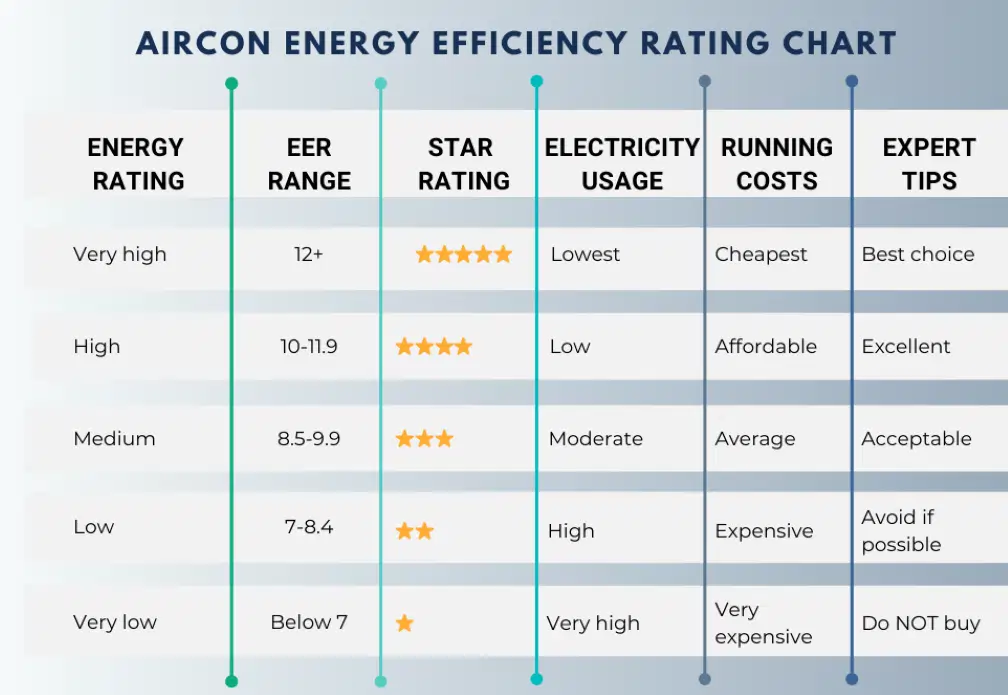
A smart air conditioner for home automation can save significant electricity—not because the unit is more efficient (inverter technology does that), but because it changes user behavior.
How smart features save energy:
- Remote off: No more leaving aircons running all day when you forget. One tap saves R50-200 per incident.
- Scheduling: Run only when needed. Set to turn off at 10 PM (when you’re asleep and don’t notice).
- Geofencing: Automatically turns off when you leave home. Zero forgetfulness.
- Energy monitoring: See your consumption in real-time. Behavioral change alone reduces usage by 10-15%.
- Usage reports: Identify patterns and waste. “Why is the guest bedroom aircon running 8 hours daily when no one is there?”
| Scenario | Without Smart Features | With Smart Features | Annual Savings |
|---|---|---|---|
| Forgotten aircon (8 hours extra/day, 10 days/year) | R200-400 extra/year | R0 (remote off) | R200-400 |
| Running unused guest room (4 hours/day, winter) | R300-500 extra/year | R0 (schedule off) | R300-500 |
| Behavioral change from energy monitoring | Baseline | 10-15% reduction | R200-600 |
| Total Potential Annual Savings | – | – | R700 – R1,500 |
Payback period: If a smart aircon costs R1,000-2,000 more than a non-smart equivalent, the energy savings alone pay back the premium in 1-2 years. After that, pure savings.
For more energy-saving tips, read reduce aircon electricity bills and aircon running costs explained.
🔧 Installation & Smart AC Setup
Installing a smart aircon system is similar to installing any split system—with one additional step: connecting to your Wi-Fi network.
Professional Installation Requirements
- Same as standard split systems: Requires certified refrigerant handling, electrical work, vacuum pumping, and pressure testing. Not DIY.
- Wi-Fi requirements: Your aircon needs a stable 2.4 GHz Wi-Fi signal (not 5 GHz—most smart aircons don’t support 5 GHz). Ensure your router reaches the installation location.
- App setup: Install the brand’s app (LG ThinQ, Samsung SmartThings, or Daikin Comfort Control). Create an account. Follow pairing instructions (typically holding a button on the remote or unit).
- Firmware updates: After pairing, check for firmware updates. These improve performance and add features.
Wi-Fi Signal Considerations for Smart Aircons
⚠️ Important: Smart Aircons Need Good Wi-Fi
Your smart aircon is useless if it can’t connect to Wi-Fi. Before buying, check your router’s signal strength at the proposed indoor unit location. If weak, consider a Wi-Fi extender (R300-R800) or mesh system. Most smart aircons only support 2.4 GHz Wi-Fi—not 5 GHz. Read home Wi-Fi installation guide for help.
For professional installation, always hire registered, SABS-compliant installers. Read our installer selection guide and smart AC setup guide for detailed instructions. Free site inspections available.
🎤 Voice Control & Home Automation Integration
A smart air conditioner for home automation integrates with your existing smart home ecosystem for hands-free control and automated routines.
Supported Voice Assistants
- Google Assistant: “Hey Google, set the bedroom aircon to 22 degrees.” Works with all three brands.
- Amazon Alexa: “Alexa, turn off the living room aircon.” Works with all three brands.
- Apple Siri: Works with LG (via Shortcuts). Limited with Samsung and Daikin.
- Samsung Bixby: Works only with Samsung aircons and Samsung phones.
Example Voice Commands
- “Set the temperature to 23 degrees”
- “Turn on the bedroom aircon”
- “Set the living room aircon to cool mode”
- “Increase fan speed”
- “Turn off all air conditioners”
Automation Routines (SmartThings Example)
- “Good Morning” routine: Turns off bedroom aircon, turns on living room aircon to 22°C, opens smart blinds, turns on coffee maker.
- “Good Night” routine: Turns off living room aircon, turns on bedroom aircon to 20°C, dims lights, locks doors.
- “Leave Home” routine: Turns off all aircons, turns off lights, arms security system.
- “Return Home” routine: Turns on living room aircon to 23°C, turns on lights, disarms security.
For more smart home integration, read CCTV and backup power integration.
⚡ Smart Aircons & Load-Shedding
Load-shedding affects smart aircons like any other aircon—they stop working during power outages. However, smart features can help manage the aftermath.
Smart features useful for load-shedding:
- Auto-restart: Most smart aircons automatically resume previous settings when power returns. No need to manually restart.
- Remote monitoring: Check if your aircon is running (or not) during and after load-shedding from your phone.
- Surge protection: Smart aircons have better built-in surge protection than basic units. Still recommend external surge protection.
- Integration with backup power: Some smart systems can integrate with solar and battery systems to prioritize cooling during outages.
💡 Load-Shedding Tip:
After load-shedding ends, use your smart app to check if the aircon restarted correctly. If not, you can restart it remotely without going to each room. Read our load-shedding guide for complete protection strategies.
For backup power solutions, read aircon load-shedding backup guide and generator installation.
❌ 5 Common Mistakes When Buying Smart Aircons
⚠️ Avoid These Costly Errors:
Mistake #1: Buying a smart aircon with poor Wi-Fi signal. Your smart features are useless if the unit can’t connect. Test your Wi-Fi signal at the proposed indoor unit location before buying. Use a Wi-Fi analyzer app. Consider Wi-Fi extenders if signal is weak. Most smart aircons only support 2.4 GHz—not 5 GHz.
Mistake #2: Assuming all “smart” aircons have energy monitoring. Many entry-level “smart” models only offer remote on/off and basic scheduling. Energy monitoring is often a premium feature. Check specifications before buying. LG offers the best energy monitoring; Daikin’s is basic.
Mistake #3: Ignoring voice assistant compatibility. If you use Google Home or Amazon Alexa, ensure the aircon brand supports your platform. All three support Google and Alexa. Apple HomeKit support is limited (LG only via Shortcuts).
Mistake #4: Paying too much for smart features you won’t use. If you only want remote on/off and basic scheduling, you don’t need the most expensive LG model. Daikin’s smart premium is only 5-10%—perfect for basic smart needs. Don’t overpay.
Mistake #5: Forgetting about firmware updates. Smart aircons need occasional firmware updates for security and performance. Check for updates after installation and every 6 months. Set a reminder in your calendar.
🏙️ Realistic Examples by Home Type & City
| Home Type & Location | Recommended Smart System | Installed Cost | Key Smart Benefit |
|---|---|---|---|
| Sandton: Master bedroom (20m²)穷 | LG Dual Inverter 9,000 BTU穷 | R11,500穷 | Energy monitoring, quiet (18 dB)穷 |
| Cape Town: Open-plan living (50m²)穷 | Samsung WindFree 18,000 BTU穷 | R18,000穷 | No cold drafts, SmartThings穷 |
| Pretoria: 3-bed house, whole home穷 | LG Multi-Split (4 indoor units)穷 | R55,000穷 | Central smart control, energy monitoring per room穷 |
| Durban: Home office (15m²)穷 | Daikin Perfera 9,000 BTU穷 | R10,500穷 | Reliability, basic remote control穷 |
| Johannesburg: Rental apartment穷 | Not recommended (landlord permission)穷 | -穷 | -穷 |
| Stellenbosch: Guest bedroom (12m²)穷 | Samsung WindFree 9,000 BTU穷 | R12,000穷 | Gentle airflow for guests穷 |
For accurate quotes for your specific home, request quotes from local installers serving your area. Free site inspections available.
❓ Frequently Asked Questions About Smart Aircon Systems
What is the best smart aircon system in South Africa?
The best smart aircon systems in South Africa are LG (best overall smart features and energy monitoring), Samsung (best WindFree technology and SmartThings integration), and Daikin (best reliability and value). Choose based on your priorities. LG ThinQ offers the most comprehensive app and energy monitoring. Read our brand guide for detailed comparisons.
Do smart aircons save electricity?
Yes, significantly—but not because the unit is more efficient (inverter technology does that). Smart features save energy by changing behavior: remote off prevents forgotten units from running all day, scheduling ensures cooling only when needed, and energy monitoring reveals waste. Typical savings: R700-1,500 annually. Read energy-saving tips for more.
Can I control my smart aircon from anywhere?
Yes, that’s the primary benefit. As long as both your aircon and your smartphone have internet connections, you can control temperature, mode, fan speed, and schedules from anywhere in the world. Turn off forgotten units from your office. Pre-cool your home while driving back from the airport. Remote control works across provinces and countries.
Do smart aircons work with Google Home and Alexa?
Yes, all three major brands (LG, Samsung, Daikin) work with Google Assistant and Amazon Alexa. You can use voice commands like “Hey Google, set the bedroom aircon to 22 degrees.” Apple Siri support is limited (LG only via Shortcuts). Samsung also supports Bixby (their own assistant).
What Wi-Fi requirements do smart aircons need?
Most smart aircons require a 2.4 GHz Wi-Fi network (not 5 GHz). Ensure your router broadcasts 2.4 GHz (most do). Check signal strength at the proposed indoor unit location—weak signal causes disconnections. Consider Wi-Fi extenders (R300-R800) if needed. Read home Wi-Fi installation guide for help.
What’s the difference between a smart aircon and a smart AC controller?
A smart aircon has Wi-Fi built-in. A smart AC control is an aftermarket device (like Sensibo or Ambi Climate) that adds smart features to any existing aircon with an infrared remote. Smart controllers cost R1,500-2,500 and work with most aircons, but have fewer features than built-in smart systems. For new purchases, built-in smart is better.
Do smart aircons work during load-shedding?
No—smart aircons stop working during power outages like any aircon. However, smart features help after load-shedding: auto-restart resumes previous settings, and remote monitoring lets you check if units restarted correctly. For backup power, read our load-shedding guide for solar and battery solutions.
Are smart aircons more expensive than non-smart?
Yes, typically 5-15% more expensive depending on brand. Daikin has the smallest premium (+5-10%). LG and Samsung have moderate premiums (+10-15%). The energy savings (R700-1,500 annually) typically pay back the premium in 1-2 years. After that, pure savings. Worth it for most homeowners.
Can I install a smart aircon myself?
No—smart aircons are split systems requiring certified refrigerant handling (illegal without license), electrical work, vacuum pumping, and pressure testing. The smart features (Wi-Fi pairing) are easy after installation, but the physical installation requires professionals. Always hire registered, SABS-compliant, insured installers. Use our installer guide.
Which smart aircon brand has the best app?
LG ThinQ has the best app overall—most intuitive interface, most detailed energy monitoring, and best smart diagnosis features. Samsung SmartThings is excellent if you already use Samsung’s ecosystem (phones, TVs, appliances). Daikin’s app is functional but less polished. For most users, LG offers the best smart experience.
✅ Final Thoughts: Upgrade to Smart Cooling
Smart aircon systems have moved from novelty to necessity for modern South African homes. The energy savings, convenience, and comfort improvements justify the small price premium.
Key takeaways for smart aircon buyers:
- Smart features save real money: R700-1,500 annually from preventing forgotten units, scheduling, and behavioral change. Payback period 1-2 years.
- LG offers the best overall smart features: Best app, best energy monitoring, ultra-quiet operation. Recommended for most homeowners.
- Samsung offers WindFree technology: No cold drafts—perfect for bedrooms and living rooms where aircon blows directly onto you. Best for SmartThings ecosystem users.
- Daikin offers the best value: Smallest smart premium (+5-10%), excellent reliability. Choose Daikin if you prioritize reliability over advanced features.
- Good Wi-Fi is essential: Test signal strength before buying. 2.4 GHz required (not 5 GHz). Consider extenders if weak signal.
- Professional installation required: Smart or not, split systems need certified installers. Use our installer guide.
- Energy monitoring is the killer feature: Don’t buy a “smart” aircon without it. Real-time consumption data changes behavior and saves money.
Your action plan: First, check your Wi-Fi signal strength at the proposed indoor unit location. Second, decide on brand based on your priorities (LG for features, Samsung for WindFree, Daikin for value). Third, request quotes from local installers for your chosen system. Fourth, ensure your installer handles smart AC setup and app pairing. Fifth, explore voice control and automation routines.
Ready to Upgrade to a Smart Aircon System?
Get free quotes from verified local installers who specialize in smart AC setup. Compare prices on LG, Samsung, and Daikin smart systems.
📞 Call us: 073 138 4726 for immediate help finding smart aircon installers near you.
Free site inspections •
Beat Your Quote guarantee •
Pay Later option •
Our guarantees
📚 Official resources & standards referenced:
- LG South Africa – ThinQ smart technology specifications
- Samsung South Africa – SmartThings integration and WindFree technology
- SABS – Electrical safety standards for smart appliances
- Department of Energy – Smart appliance energy efficiency guidelines
Information provided for general guidance based on South African market conditions. Always verify current specifications, pricing, and compatibility directly with manufacturers and suppliers.
Written by: Innocent T Hanyani
Construction & Home Services Industry Specialist | 21+ Years Experience
Innocent T Hanyani has over two decades of experience working across South Africa’s construction, maintenance, and home services sectors. Throughout his career, he has worked closely with contractors, service providers, and property owners, gaining practical insight into how projects are quoted, managed, and completed. His work focuses on helping homeowners understand how to find reliable contractors, compare quotes, and avoid common industry pitfalls when hiring service professionals. His insights are based on practical industry experience as well as ongoing research into contractor platforms, service marketplaces, and hiring trends across South Africa.