
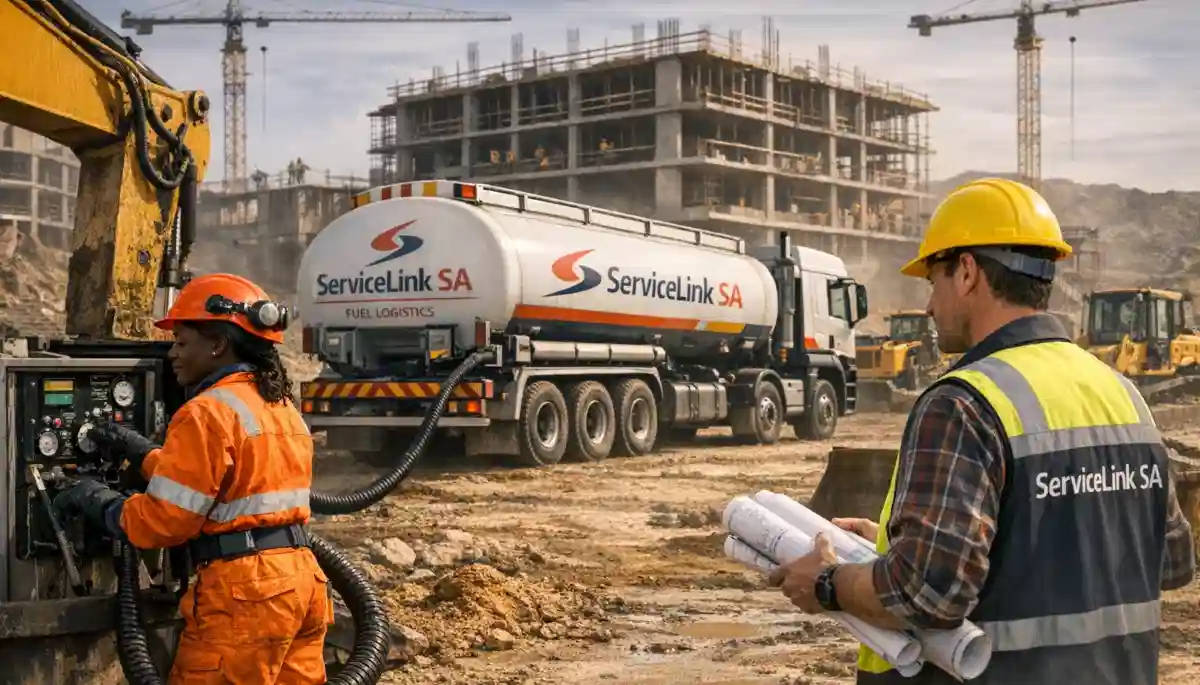
Keep Your Construction Site Moving
ServiceLink SA connects you with verified bulk fuel suppliers specializing in construction diesel delivery. Get free quotes today.
Get Free Construction Fuel Quotes
Servicing Johannesburg, Pretoria, Durban, Cape Town, Sandton, and across South Africa
Bulk Fuel for Construction Sites: Diesel Delivery to Any Location
🏗️ From high-rise foundations to remote road projects—your complete guide to construction site fuel supply
I once visited a road construction site outside Polokwane. The project was already two weeks behind schedule. The site manager was stressed, pacing around his office. When I asked what was wrong, he pointed to a row of idle excavators. “Fuel,” he said. “My supplier promised delivery yesterday. Then today. Now they’re not answering their phone. Every day those machines sit idle costs me R40,000 in penalties from the client.”
That’s the reality of bulk fuel for construction sites. Unlike a factory with fixed fuel tanks, construction sites are temporary, mobile, and often in remote locations. Fuel supply isn’t just about price—it’s about reliability, flexibility, and keeping projects on schedule.
Whether you’re building housing developments in Gauteng, constructing roads in KwaZulu-Natal, or erecting wind farms in the Eastern Cape, reliable construction diesel delivery is essential to meeting deadlines and protecting your margins.
This comprehensive guide covers everything you need to know about site fuel supply for construction projects, including diesel delivery for remote construction sites, bowser hire options, on-site refuelling best practices, and regulatory compliance. For more on supplier selection, read how to choose a bulk fuel supplier.
Ready to optimize your construction site fuel supply? Let’s dive in.
📋 Table of Contents – Construction Fuel Supply Guide
⚠️ Why Bulk Fuel Matters for Construction Sites
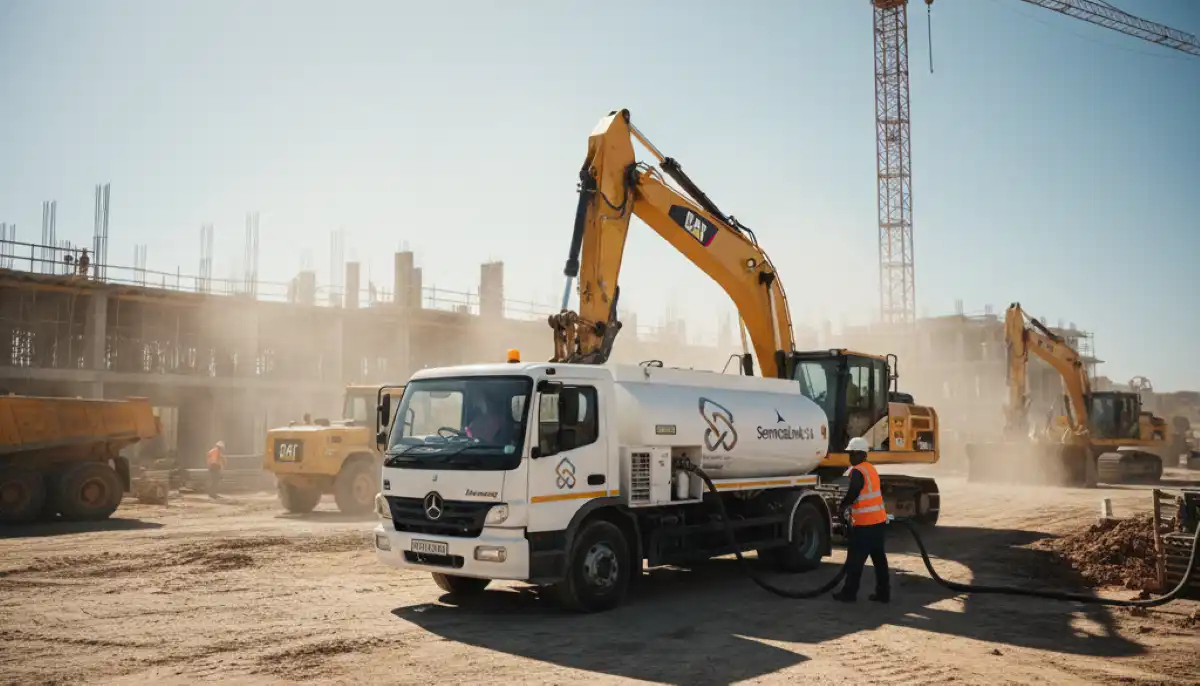
Diesel powers nearly everything on a modern construction site. When fuel runs out, work stops. When work stops, deadlines slip. When deadlines slip, penalties apply.
⚠️ Warning: The High Cost of Construction Fuel Disruption
A single day without diesel can cost a medium construction site R30,000-R100,000+ in idle equipment, idle labour, and client penalties. For large infrastructure projects, daily costs can exceed R500,000. Reliable fuel supply isn’t an expense—it’s project insurance.
Why bulk fuel for construction sites demands special attention:
- Temporary locations: Construction sites move. Fuel supply must move with them.
- Remote access: Many sites are far from fuel depots, requiring dedicated delivery logistics.
- Variable consumption: Fuel needs change as projects progress through different phases.
- Equipment variety: From 2-ton compactors to 50-ton excavators—different equipment, different refuelling needs.
- Security concerns: Remote, unsecured sites are vulnerable to fuel theft.
- Regulatory compliance: Temporary storage must still meet SABS and NRSA standards.
Typical diesel consumption by construction equipment:
| Equipment Type | Typical Fuel Consumption | Common Applications |
|---|---|---|
| Large excavator (30-40t) | 20-30 L/hour | Earthmoving, trenching, demolition |
| Wheel loader (5-10t) | 15-25 L/hour | Material handling, loading trucks |
| Bulldozer (medium) | 25-40 L/hour | Site clearing, grading, pushing |
| Dump truck (off-road) | 15-25 L/hour | Material hauling on site |
| Diesel generator (100kVA) | 15-20 L/hour | Site power, lighting, tools |
| Compactor/roller | 10-15 L/hour | Soil and asphalt compaction |
For more on cost management, read bulk fuel supply costs in South Africa.
🏗️ Diesel-Powered Construction Equipment Guide
Understanding your equipment’s fuel needs helps you plan site fuel supply effectively:
Earthmoving equipment (highest consumption):
- Excavators, bulldozers, motor graders, wheel loaders
- Typically 15-40 L/hour depending on size and work intensity
- Requires frequent refuelling (often daily)
Haulage equipment:
- Off-road dump trucks, articulated haulers, site tippers
- Typically 15-25 L/hour
- High variability based on haul distance and load
Compaction and paving:
- Rollers, compactors, pavers, planers
- Typically 10-20 L/hour
- Often continuous operation during paving
Power generation:
- Site generators for lighting, tools, offices, pumps
- Consumption varies by load (typically 15-25L/hour for 100kVA)
- Often runs 24/7 on critical sites
Fuel planning tip: Calculate your site’s daily fuel requirement by multiplying each equipment type’s hourly consumption by estimated operating hours. Add 15-20% buffer for variability and generator consumption. This tells you required delivery volume and frequency.
For more on generator fuel, read generator fuel services.
🚚 Fuel Delivery Options for Construction Sites
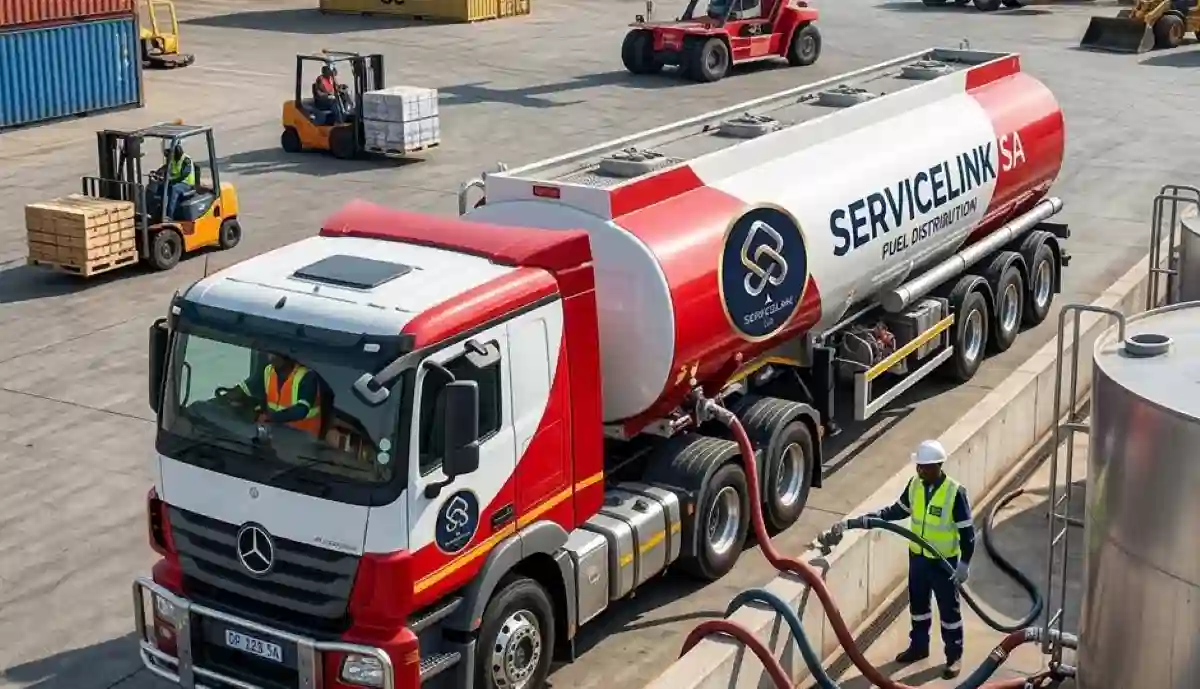
Different construction sites need different delivery solutions. Here are the main options for site fuel supply:
Scheduled bulk delivery:
- Regular deliveries (daily, every 2-3 days, weekly)
- Best for: Large, stable sites with predictable consumption
- Typically best pricing due to route efficiency
- Requires on-site storage tanks
On-demand delivery:
- Deliveries triggered by your request
- Best for: Sites with variable consumption or limited storage
- Higher delivery fees but maximum flexibility
Bowser refuelling service:
- On-site refuelling directly into equipment
- No on-site storage tanks required
- Supplier brings mobile bowser and refuels equipment
- Best for: Remote sites, short-term projects, or sites without storage
Wet hire (bowser + operator):
- Hire bowser with operator who refuels equipment
- Supplier provides both equipment and fuel
- Best for: Temporary sites, emergency coverage, or supplementing existing storage
Which option is right for you?
- Long-term large site (12+ months): Install temporary storage tanks + scheduled bulk delivery
- Medium-term site (3-12 months): Consider bowser refuelling service or small storage tanks
- Short-term or remote site (<3 months): Bowser hire/wet hire is most cost-effective
For more on diesel delivery, read diesel delivery services in South Africa.
⛽ Bowser Hire: Mobile Refuelling Solutions for Construction
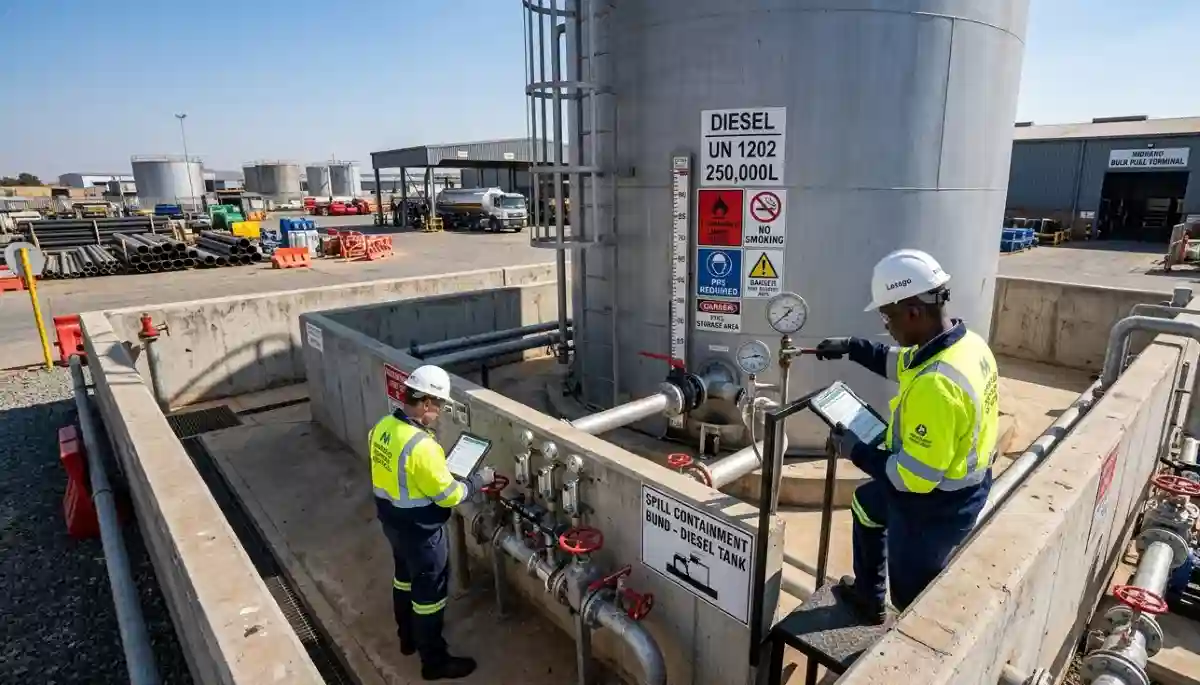
Bowser hire is increasingly popular for construction sites. Here’s what you need to know:
What is bowser hire?
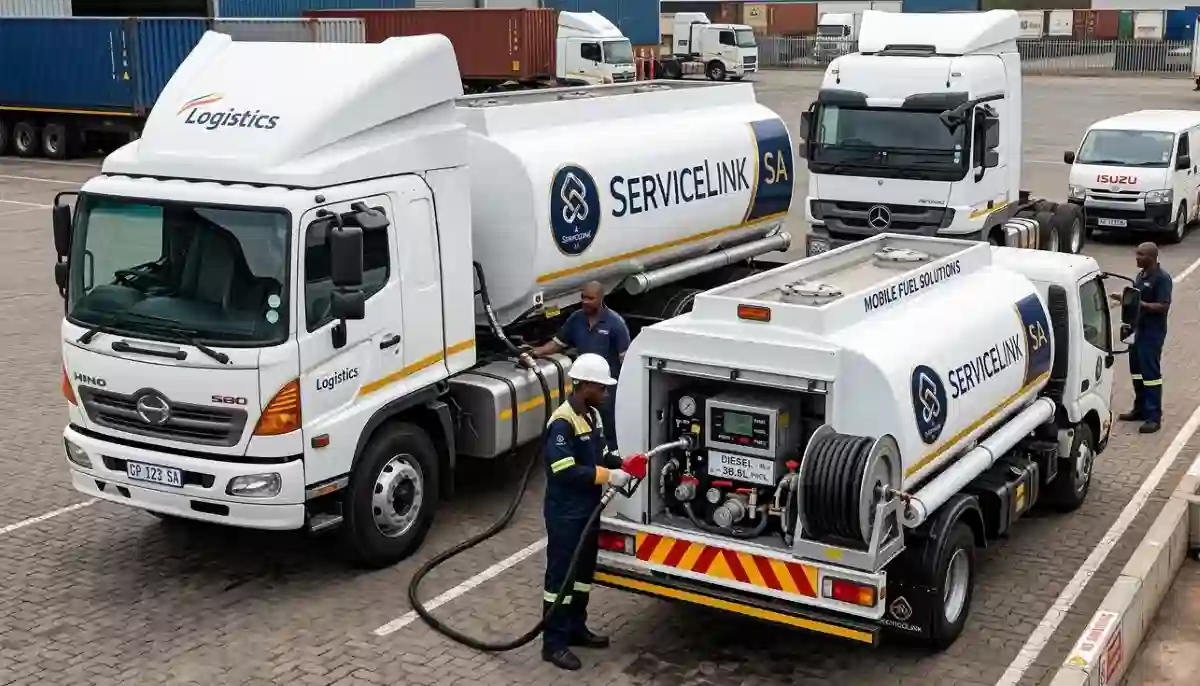
Bowser hire means renting a mobile fuel tank (bowser) that can be towed or driven to refuel equipment directly. Bowsers typically hold 500L to 5,000L and come with pumps, meters, and hoses for on-site refuelling.
Benefits of bowser hire for construction:
- No permanent storage required: Perfect for temporary sites
- Mobility: Move the bowser as your site layout changes
- Direct equipment refuelling: No need to move equipment to a fixed fuel point
- Reduced theft risk: Bowsers can be secured or moved to secure areas overnight
- Lower upfront cost: No capital expenditure for storage tanks
Bowser hire options:
- Dry hire: You rent just the bowser. You arrange fuel and operate it yourself.
- Wet hire: Supplier provides bowser, fuel, and operator. You just pay for fuel used plus service fee.
- Fuel-only bowser service: Supplier brings bowser, refuels your equipment, and leaves. No bowser left on site.
Bowser hire costs (indicative):
| Service Type | Typical Cost Structure | Best For |
|---|---|---|
| Dry bowser hire | R500-R1,500/day + fuel | Sites with staff to operate bowser |
| Wet hire (bowser + operator) | R1,500-R3,000/day + fuel at wholesale | Sites without trained operators |
| Fuel-only bowser service | Wholesale price + R1.00-R2.50/L delivery | Occasional refuelling needs |
For more on bowsers, read fuel bowser delivery services.
Need Fuel for Your Construction Site?
ServiceLink SA connects you with verified suppliers offering bowser hire, scheduled delivery, and emergency refuelling.
Get Free Construction Fuel Quotes
Diesel delivery for remote construction sites—find local specialists serving your project location.
✅ What Makes a Great Construction Fuel Supplier?
Not all fuel suppliers understand construction’s unique needs. Here’s what separates construction specialists from general suppliers:
Essential characteristics for construction fuel suppliers:
- CIDB compliance: Understanding of CIDB – Construction site fuel storage requirements.
- SABS temporary storage compliance: Knowledge of SABS – Temporary storage standards.
- NRSA on-site safety: Compliance with NRSA – On-site fuel safety regulations.
- Bowser hire availability: Well-maintained bowsers in various sizes.
- Remote delivery experience: Track record delivering to challenging construction sites.
- Flexible scheduling: Ability to adjust delivery days as project phases change.
- Emergency response: 24/7 emergency delivery to prevent costly downtime.
- Security solutions: Lockable tanks, access controls, or overnight bowser storage options.
- Site induction compliance: Drivers trained and certified for construction site safety.
Why construction specialization matters: A fuel supplier who only delivers to factories may struggle with muddy access roads, changing site layouts, and temporary storage requirements. Construction-experienced suppliers understand these challenges.
ServiceLink SA verifies construction fuel supplier credentials during our screening process. Learn how we verify fuel suppliers.
🚩 7 Red Flags of Construction Fuel Suppliers (Avoid at All Costs!)
When sourcing bulk fuel for construction sites, watch out for these warning signs:
- No CIDB knowledge or compliance: Unaware of construction site fuel storage requirements.
- No temporary storage experience: Can’t advise on SABS-compliant temporary tank setup.
- Poor condition bowsers (if offered): Leaking, rusty, or uncalibrated bowsers signal poor maintenance.
- No site induction process: Drivers unwilling or unable to complete site safety inductions.
- Limited remote access experience: Uncomfortable with gravel roads, muddy conditions, or tight site access.
- No emergency delivery commitment: “We’ll try our best” isn’t acceptable for construction schedules.
- Refuses written agreements: Construction projects need clear terms, especially for short-term arrangements.
For more scam prevention, read how to avoid contractor scams—many principles apply to fuel suppliers too.
🔍 Where to Find Construction Fuel Suppliers Near You
Finding reliable construction diesel delivery partners requires construction-specific sources:
Best methods (recommended):
- ServiceLink SA: Our platform connects you with verified suppliers specializing in construction fuel delivery. Free quotes, verified credentials, and construction experience. Get quotes from construction fuel suppliers near you.
- CIDB registered suppliers: Check CIDB register for compliant fuel suppliers. CIDB – Construction site fuel storage.
- Construction industry referrals: Ask other contractors or site managers for recommendations.
- Plant hire companies: Often have fuel supplier relationships they can share.
Methods to avoid or use with caution:
- General fuel suppliers without construction experience: They likely don’t understand site-specific challenges.
- Social media or classifieds: Never source construction fuel from unverified online listings.
For a complete list of service categories, see our bulk fuel supply services page.
📋 How to Verify a Construction Fuel Supplier (6 Critical Checks)
Before contracting any site fuel supply partner, run through this verification checklist:
- Verify CIDB compliance: Check their understanding of construction site storage requirements. CIDB – Construction site fuel storage.
- Confirm SABS temporary storage knowledge: Ask about their experience with SABS – Temporary storage standards.
- Check NRSA on-site safety compliance: Verify driver training and site safety protocols. NRSA – On-site fuel safety.
- Request construction client references: At least 3 references from similar construction projects. Call them. Ask about reliability, remote access, and site safety.
- Inspect their equipment (if bowser hire): Ask to see bowsers. Check condition, calibration, and safety features.
- Verify site induction process: Ask about their driver training and site safety protocols.
For more detailed verification guidance, read how to verify a contractor.
🏭 Temporary Fuel Storage Solutions for Construction Sites
Proper temporary storage is critical for bulk fuel for construction sites. Here are compliant options:
Above-ground temporary tanks:
- Typical capacity: 5,000L – 50,000L
- Must have secondary containment (bund or double-skinned)
- Require SABS compliance for temporary installations
- Lockable to prevent theft
- Must be positioned away from site traffic and heat sources
Mobile bowsers (on-site):
- Typical capacity: 500L – 5,000L
- Can be moved as site layout changes
- Must be secured overnight to prevent theft
- Regular inspection required
Fuel cubes/containers:
- Small temporary storage (200L – 1,000L)
- Suitable for small sites or generator fuel
- Must meet UN-approved container standards
Storage compliance requirements:
- All temporary storage must meet SABS standards
- Spill containment (bunding) at 110% of tank capacity
- Fire extinguishers within easy access
- Hazchem signage clearly displayed
- No storage near site entry/exit points or public areas
Best practices for temporary fuel storage:
- Position tanks on level, stable ground
- Install lockable dispensing systems
- Conduct daily visual inspections for leaks or damage
- Keep spill kits readily available
- Train site staff on emergency response
- Remove temporary tanks promptly after project completion
For more on storage, read fuel tank installation and commercial fuel storage tanks.
❓ Frequently Asked Questions About Construction Fuel Supply
How do I get diesel delivery for remote construction sites?
For diesel delivery for remote construction sites, work with suppliers experienced in rural logistics. Options include scheduled bulk delivery (requires on-site storage), bowser hire (mobile refuelling), or wet hire (supplier brings bowser and operator). ServiceLink SA can connect you with remote-experienced suppliers.
What is bowser hire and do I need it?
Bowser hire means renting a mobile fuel tank to refuel equipment directly on site. You need bowser hire if your construction site lacks permanent storage tanks, you have multiple equipment spread across site, or you want to eliminate equipment travel to off-site fuel stations.
What are the temporary fuel storage requirements for construction sites?
CIDB requires SABS-compliant temporary storage with secondary containment (bunding at 110% capacity), fire extinguishers, hazchem signage, and regular inspections. See CIDB – Construction site fuel storage and SABS – Temporary storage standards for complete requirements.
How much diesel does a typical construction site use monthly?
Site fuel supply volumes vary dramatically by project size. Small residential sites: 5,000-15,000L monthly. Medium commercial sites: 15,000-50,000L monthly. Large infrastructure projects: 50,000-200,000L+ monthly. Calculate based on your equipment fleet and operating hours.
What is on-site refuelling and why is it better?
On-site refuelling means fuel is delivered directly to your equipment where it sits—no need to drive equipment to a fuel station. Benefits include: zero equipment travel time (saves 30-60 minutes daily per machine), reduced fuel theft risk, and better site safety (less equipment movement).
How do I prevent fuel theft on construction sites?
Prevent construction site fuel theft through: lockable tank caps and dispensing systems, security cameras or lighting, fuel level monitoring with alerts, secure overnight bowser storage (locked compound or removed from site), and regular inventory reconciliation. Some suppliers offer tamper-evident seals.
What NRSA regulations apply to on-site fuel safety?
NRSA on-site fuel safety regulations cover: driver dangerous goods training, vehicle compliance, spill response plans, site access controls, and emergency procedures. See NRSA – On-site fuel safety for complete requirements.
Can I get emergency fuel delivery for my construction site?
Yes, professional construction fuel suppliers offer 24/7 emergency delivery. Establish relationships with emergency providers before you need them. Keep their contact details on site. Emergency delivery costs more but prevents costly downtime—typically wholesale price + R2.00-R4.00/L + call-out fee.
✅ Final Thoughts: Fuel Your Construction Site for Success
Your choice of bulk fuel for construction sites directly impacts your project schedule, equipment reliability, and site safety. The wrong supplier risks costly downtime, safety violations, and missed deadlines. The right supplier becomes a partner in keeping your project moving.
Key takeaways from this guide:
- Construction fuel disruption costs R30,000-R500,000+ daily in lost productivity and penalties
- Match delivery method to project duration: storage tanks for long-term, bowser hire for short-term
- Bowser hire and on-site refuelling eliminate equipment travel time and reduce theft risk
- Always verify CIDB compliance, SABS temporary storage standards, and NRSA safety regulations
- Calculate daily fuel requirements based on equipment fleet and operating hours
- Implement security measures to prevent fuel theft on unsecured sites
- Establish emergency delivery relationships before you need them
- Use ServiceLink SA to connect with verified construction fuel specialists
Your action plan: Use ServiceLink SA to request quotes from verified construction fuel suppliers in your area. Compare their delivery options (bulk, bowser, wet hire), remote access experience, and emergency response capabilities. Choose a partner who understands construction’s unique challenges. Then implement proper temporary storage and security to protect your fuel investment.
Ready to Secure Reliable Construction Fuel Supply?
ServiceLink SA connects you with verified suppliers offering bowser hire, scheduled delivery, and emergency refuelling for construction sites.
📞 Call us: 073 138 4726 for immediate help finding construction fuel suppliers near you.
Diesel Delivery •
Emergency Fuel Delivery •
Fuel Tank Installation •
Fleet Fueling Solutions •
Generator Fuel Services •
Fuel Management Systems
📚 Official resources & standards referenced:
- CIDB – Construction Industry Development Board – Construction site fuel storage requirements and contractor grading.
- SABS – South African Bureau of Standards – Temporary storage standards and tank specifications.
- NRSA – National Road Safety Agency – On-site fuel safety regulations and dangerous goods transport.
- DMRE – Department of Mineral Resources and Energy – Fuel licensing and pricing information.
Information provided for general guidance based on independent research and official sources. Construction regulations, safety standards, and compliance requirements change periodically. Always verify current requirements directly with CIDB, SABS, and NRSA.
Written by: ServiceLink SA Research Team
Construction Fuel Supply & Logistics Specialists
The ServiceLink SA Research Team combines expertise from construction logistics, fuel supply management, and regulatory compliance. Our analysts track CIDB requirements, SABS temporary storage standards, NRSA on-site safety regulations, and maintain relationships with accredited suppliers serving construction projects across South Africa. This guide draws on primary research, official CIDB and SABS standards, and direct interviews with construction site managers, project directors, and plant hire operators working on residential, commercial, and infrastructure projects nationwide. Our mission is to help construction companies secure reliable, compliant bulk fuel supply while avoiding costly downtime and regulatory violations.
For more information about bulk fuel for construction sites, explore our related resources: how to choose a bulk fuel supplier, diesel delivery services, emergency fuel delivery, bulk fuel supply costs, fuel bowser delivery services, and commercial fuel storage tanks. See our location-specific guides for Johannesburg, Pretoria, Durban, Cape Town, and Sandton.