
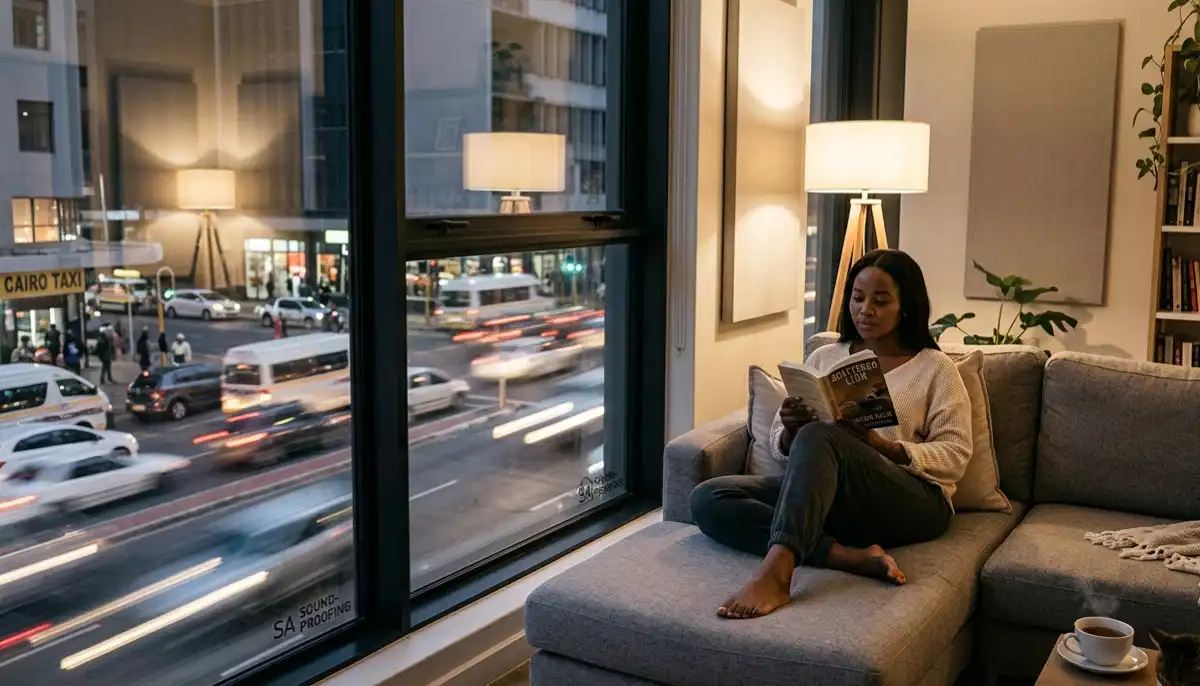
Traffic Noise Keeping You Awake?
Get free quotes from verified aluminium fabricators. Compare noise reduction windows options and find the best solution for your home.
Servicing Gauteng, Western Cape, Johannesburg, Pretoria, and Cape Town
Soundproof Aluminium Windows: Noise Reduction Guide for Busy Areas SA
🔇 The complete guide to reducing outside noise through your aluminium windows
Let me describe a problem I hear about constantly. You live on a busy street in Johannesburg, Pretoria, or Cape Town. Traffic noise keeps you awake at night. You can’t concentrate during the day. You’ve tried closing windows – but the noise still comes through. You’re frustrated, tired, and desperate for peace.
Here’s the truth. Standard aluminium windows are terrible at blocking noise. Single-glazed windows reduce noise by only 25-28 dB – not enough for busy streets. But with the right upgrades, you can reduce noise by 40-50 dB, turning a noisy bedroom into a quiet sanctuary.
In this complete soundproof aluminium windows guide, I’ll explain how to soundproof aluminium windows for noise reduction, compare different acoustic windows options (double glazing, laminated glass, acoustic seals), provide cost estimates, and help you choose the best solution for your situation. By the end, you’ll know exactly how to achieve sound insulation that works.
For more guidance, read our double glazing cost guide, single vs double glaze guide, or seal replacement guide. Ready to enjoy quiet? Let’s dive in.
📋 Table of Contents – Soundproof Windows Guide
🔊 How Noise Enters Through Windows
To block noise, understand how it gets in through aluminium windows.
Three paths for noise:
- Through the glass (60-80% of noise): Sound vibrations travel directly through the glass pane. Thicker glass blocks more sound; two panes with different thicknesses block even more.
- Through air gaps (15-25% of noise): Gaps around the window frame, between the sash and frame, and between glass and frame. Even tiny gaps let significant noise through.
- Through the frame (5-15% of noise): Sound vibrations travel through the aluminium frame itself. Heavier, denser frames block more sound.
Why standard windows are poor at noise reduction:
- Single 4mm glass – thin, allows sound to pass easily
- Poor weather seals – air gaps let sound through
- Aluminium frame – lightweight, conducts vibrations
The good news? Each of these weaknesses can be addressed. According to SANS 10400 acoustic standards and SABS sound insulation standards, properly specified windows can achieve excellent noise reduction.
⚠️ Warning: Don’t Ignore Air Gaps
Even with double glazing, if air leaks around the frame, noise still gets in. The best glass in the world is useless if the window isn’t properly sealed. For how to soundproof aluminium windows, start with seals – then upgrade glass. Many homeowners skip this and waste money.
📊 Understanding Noise Reduction Ratings (STC/Rw)
To compare acoustic windows, you need to understand ratings.
STC (Sound Transmission Class) – US standard, widely used:
Higher STC = better noise reduction. Every 10-point increase halves perceived noise.
- STC 25-28: Standard single glazing (poor – normal conversation can be heard)
- STC 30-35: Basic double glazing (fair – loud speech is muffled)
- STC 35-40: Good double glazing (good – loud speech inaudible)
- STC 40-45: Laminated glass or acoustic double glazing (very good – traffic noise greatly reduced)
- STC 45-50: Premium acoustic windows (excellent – quiet as a library)
Rw (Weighted Sound Reduction Index) – European/SA standard:
Similar to STC. Most South African suppliers use Rw. The numbers are comparable.
What reduction do you need?
- Normal street (cars passing): Need Rw 30-35 – basic double glazing enough
- Busy road (constant traffic): Need Rw 35-40 – good double glazing + good seals
- Highway or flight path: Need Rw 40-45 – laminated glass or acoustic double glazing
- Next to railway or nightclub: Need Rw 45+ – premium acoustic windows
Read our energy ratings guide for more on window performance metrics.
🪟 Double Glazing for Noise Reduction
Double glazing is the most common upgrade for noise reduction windows.
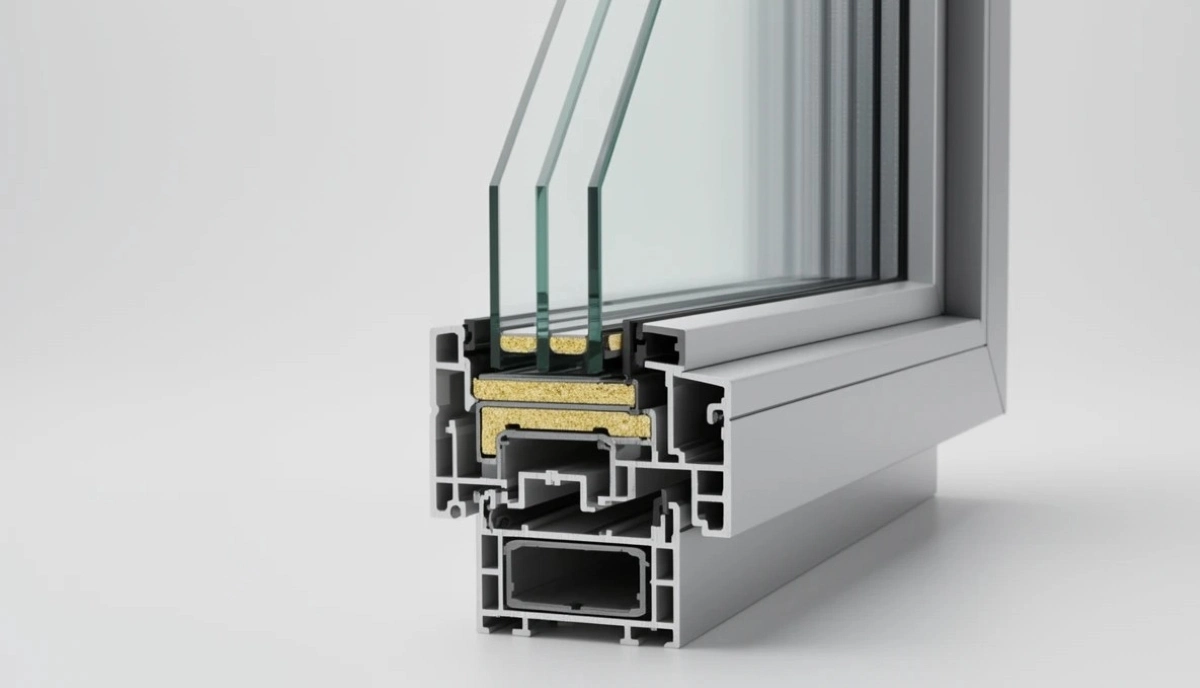
How it reduces noise: The air/gas gap between panes acts as a sound barrier. Sound waves struggle to travel from the outer pane, across the gap, to the inner pane. Some sound energy is lost with each transition.
Standard double glazing (4mm + 12mm air + 4mm):
- Noise reduction: Rw 30-33 dB (good for normal streets)
- Cost: R6,000 – R9,000 per m² installed
Wider gap (4mm + 16mm air + 4mm):
- Noise reduction: Rw 32-35 dB (better)
- Cost: Similar to standard
Asymmetric double glazing (6mm + 12mm air + 4mm):
- Noise reduction: Rw 35-38 dB (excellent – different thicknesses block different frequencies)
- Cost: +R200-400 per m² premium
Acoustic double glazing (6.38mm laminated + 12mm air + 6.38mm laminated):
- Noise reduction: Rw 40-45 dB (outstanding)
- Cost: R8,000 – R14,000 per m²
Our recommendation: For busy streets, asymmetric double glazing (6mm + 4mm) offers the best value – significantly better than standard double glazing for modest extra cost.
Read our double glazing cost guide for pricing.
🔗 Laminated Glass – The Acoustic Champion
For maximum sound insulation, laminated glass is the best option.
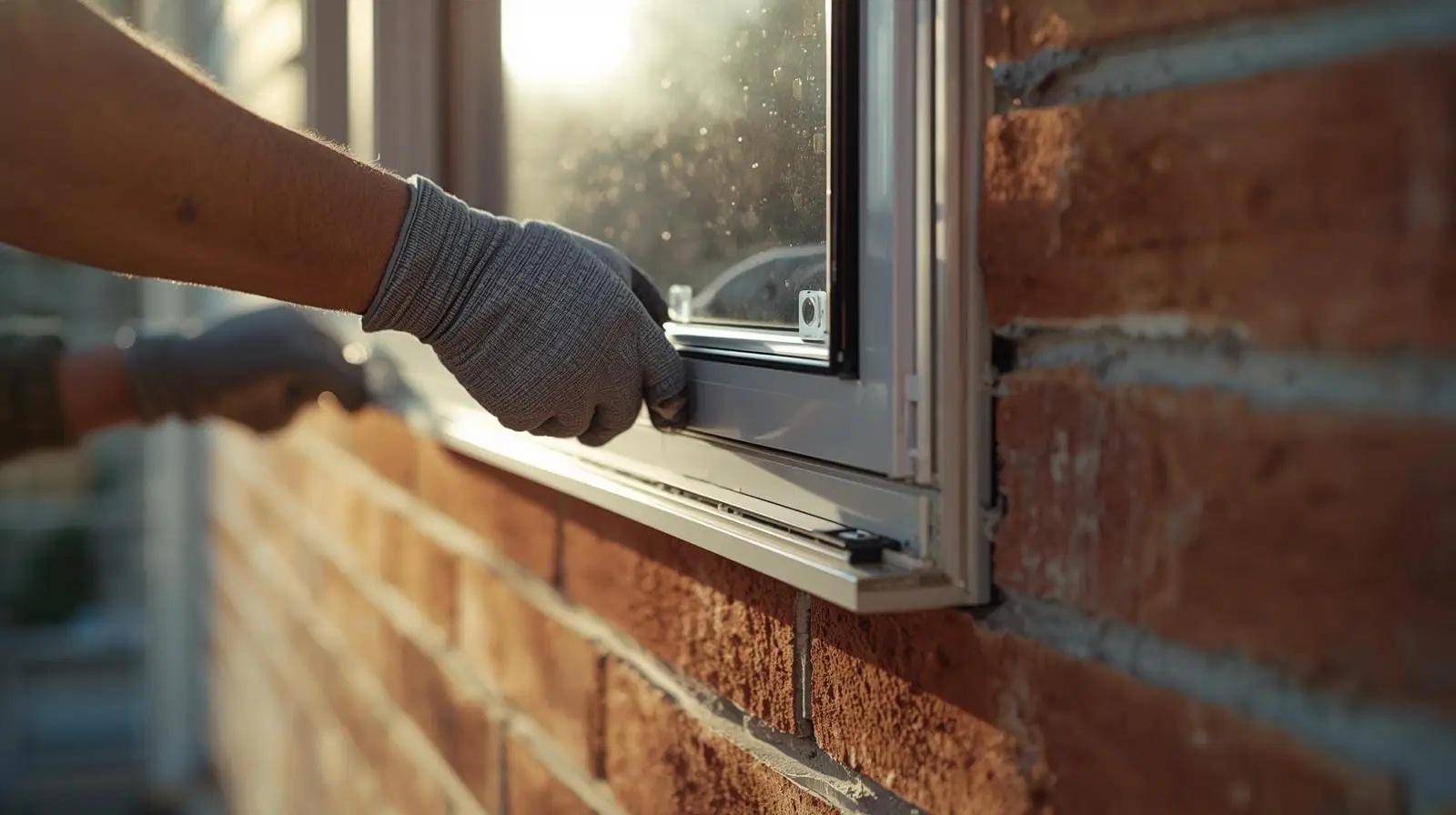
What is laminated glass? Two glass panes bonded with a plastic interlayer (PVB). The interlayer dampens sound vibrations – think of it as a shock absorber for sound.
Standard laminated glass (6.38mm – 3mm + PVB + 3mm):
- Noise reduction: Rw 35-38 dB (excellent – outperforms standard double glazing)
- Cost: +R400-800 per m² over standard glass
Acoustic laminated glass (special PVB):
- Noise reduction: Rw 40-45 dB (outstanding)
- Cost: +R800-1,500 per m² over standard glass
Laminated + double glazing (the ultimate):
- One or both panes of a double glazed unit are laminated
- Noise reduction: Rw 45-50 dB (near soundproof)
- Cost: R8,000 – R14,000 per m²
Example performance: A busy highway at 80 dB sounds like 35-40 dB with acoustic laminated double glazing – the level of a quiet library.
Read our tempered vs laminated glass guide for more.
📏 Unequal Pane Thickness – Why It Matters
This is a little-known trick for better acoustic windows.
The science: Sound has different frequencies (low bass rumble, high-pitched screech). Different glass thicknesses block different frequencies. Using two different thicknesses blocks a wider range of frequencies.
Examples:
- Equal panes (4mm + 4mm): Blocks a narrow frequency range – some noise still gets through
- Unequal panes (6mm + 4mm): Blocks a wider range – significantly better noise reduction
- Highly unequal (10mm + 4mm): Blocks an even wider range – excellent for mixed noise (traffic + voices + aircraft)
Recommended combinations:
- For general traffic noise: 6mm + 4mm double glazing
- For highway noise (low frequency rumble): 8mm + 5mm double glazing
- For mixed noise (traffic + voices + trains): 6.38mm laminated + 4mm double glazing
Cost impact: Thicker glass costs more – add R100-300 per m² for thicker panes. Worth it for the performance gain.
🔧 Weather Seals & Installation Quality
Even the best glass is useless if air gaps let sound through.
The importance of seals: A 1mm gap can reduce noise reduction by 10-15 dB. That’s the difference between a quiet room and a noisy one.
What to check:
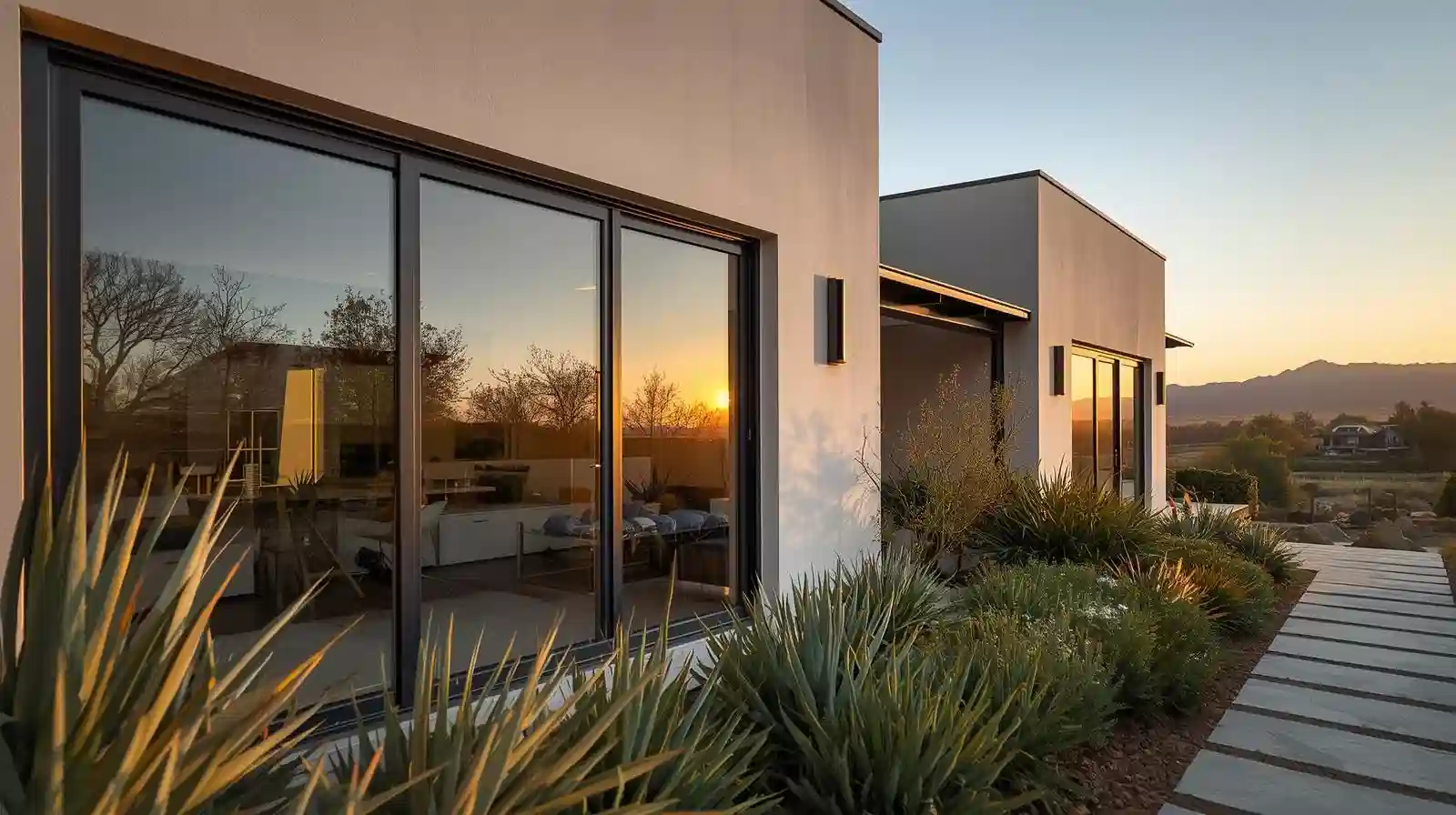
- Weather seals around opening sash: Rubber compression seals work best. Brush seals are less effective for sound.
- Seal between frame and wall: Should be filled with expanding foam and exterior silicone.
- Seal between glass and frame: Should be continuous rubber gaskets, not just silicone.
Upgrading seals (most cost-effective fix):
- Replace old, perished rubber seals with new compression seals
- Add silicone sealant to gaps between frame and wall
- Cost: R100-500 per window
- Time: 30 minutes per window
- Impact: 5-10 dB improvement
Installation quality matters: A poorly installed window – even the most expensive – will leak sound. Choose installers who specialise in acoustic windows and can demonstrate proper sealing techniques.
Read our seal replacement guide for DIY instructions.
Noise Keeping You Up at Night?
Get free quotes from verified aluminium fabricators specialising in acoustic windows. Find the best solution for your budget.
📊 Noise Reduction Comparison Table
Use this to compare different soundproof aluminium windows options.
| Window Specification | Noise Reduction (Rw) | Cost per m² (Installed) | Best For |
|---|---|---|---|
| Single glazing (4mm) + poor seals | 25-28 dB | R4,500 – R7,000 | Baseline – not for noise |
| Single glazing + upgraded seals | 28-32 dB | +R100-500 per window | Budget noise reduction |
| Double glazing (4mm+12mm+4mm) | 30-33 dB | R6,000 – R9,000 | Normal streets, moderate noise |
| Asymmetric double (6mm+12mm+4mm) | 33-36 dB | R6,500 – R9,500 | Busy roads, good value |
| Laminated glass (6.38mm) | 35-38 dB | R5,500 – R9,000 (glass only) | Excellent for single pane replacement |
| Acoustic double (6.38mm Lam + 12mm + 6.38mm Lam) | 40-45 dB | R8,000 – R14,000 | Highways, flight paths, premium |
| Secondary glazing (retrofit) | 35-40 dB | R1,500 – R4,000 per window | Renters, historic buildings, budget |
🔧 Retrofit Solutions – Cheaper Alternatives
If you can’t replace your windows, these sound insulation options help.
Secondary glazing (most effective retrofit):
A second glass pane (or acrylic panel) installed on the inside of your existing window. Creates an air gap that blocks sound. No need to remove original window.
- Noise reduction: 35-40 dB (excellent)
- Cost: R1,500 – R4,000 per window
- Pros: No structural changes, removable, works with existing windows
- Cons: Visible second layer, may affect window operation
Acoustic seals (cheapest option):
Replace old weather seals with new compression seals. Add silicone to frame gaps.
- Noise reduction: 5-10 dB improvement
- Cost: R100-500 per window
- DIY possible
Window inserts (acrylic panels):
Custom-cut acrylic panels that press-fit into the window frame.
- Noise reduction: 25-30 dB
- Cost: R500 – R1,500 per window
- Pros: Removable, affordable
- Cons: Less effective than secondary glazing
Heavy curtains / acoustic blinds:
Thick, heavy curtains absorb some sound – but far less effective than glass solutions.
- Noise reduction: 5-10 dB (when closed)
- Cost: R500 – R2,000 per window
Read our insulation guide for complementary measures.
💰 Soundproof Window Cost Estimates
Here’s what different acoustic windows cost in South Africa.
| Solution | Cost Range (per window, approx 1.44m²) | Noise Reduction | DIY or Pro? |
|---|---|---|---|
| Acoustic seals upgrade | R100 – R500 | +5-10 dB | DIY |
| Heavy curtains | R500 – R2,000 | 5-10 dB (when closed) | DIY |
| Window inserts (acrylic) | R500 – R1,500 | 25-30 dB | DIY |
| Secondary glazing | R1,500 – R4,000 | 35-40 dB | Pro recommended |
| Double glazing (asymmetric) | R7,000 – R12,000 | 33-36 dB | Pro only |
| Acoustic double glazing (laminated) | R10,000 – R18,000 | 40-45 dB | Pro only |
Use our Beat Your Quote guarantee for competitive pricing.
🚫 Common Mistakes to Avoid
⚠️ Warning: These Mistakes Ruin Soundproofing
Avoid these errors when trying to how to soundproof aluminium windows for noise reduction.
- Ignoring air gaps: The most common mistake. Even the best glass won’t block sound if air leaks around the frame. Start with seals.
- Equal pane thickness in double glazing: 4mm+4mm is far less effective than 6mm+4mm for the same cost. Always specify unequal thickness for noise reduction.
- Using standard double glazing near highways: Standard double glazing (30-33 dB) isn’t enough for constant highway noise. You need asymmetric or acoustic (35-45 dB).
- Cheap installation: Poor fitting creates gaps that let sound through. Hire specialists who understand acoustic sealing.
- Forgetting about ventilation: Soundproof windows must be closed to work. Ensure you have alternative ventilation (ventilators, HRV systems) before sealing windows tight.
- Laminated glass only in one leaf: For double glazing, both panes need to be laminated for maximum effect (or at least the inner pane).
- DIY secondary glazing with gaps: Secondary glazing must be perfectly sealed around the edges. DIY acrylic sheets with gaps are useless.
Read our buying checklist for more.
❓ Frequently Asked Questions About Noise Reduction Windows
How much can double glazing reduce noise?
Soundproof aluminium windows with standard double glazing reduce noise by 30-33 dB – noticeable improvement. Asymmetric double glazing (6mm+4mm) reduces noise by 33-36 dB. Acoustic double glazing (laminated glass) reduces noise by 40-45 dB. For a busy road at 75 dB, standard double brings noise to 42-45 dB (loud conversation); acoustic double brings it to 30-35 dB (quiet library).
What is the most effective way to soundproof existing windows?
For noise reduction windows, the most effective retrofit is secondary glazing – installing a second glass pane on the inside. Cost R1,500-4,000 per window, noise reduction 35-40 dB. Next best: upgrade weather seals (R100-500, +5-10 dB) and add heavy curtains (R500-2,000, +5-10 dB). For maximum results, replace windows with acoustic double glazing.
Does laminated glass block more noise than double glazing?
Yes – single laminated glass (6.38mm) blocks 35-38 dB, outperforming standard double glazing (30-33 dB). However, acoustic double glazing (two laminated panes with gas gap) blocks 40-45 dB – better than either alone. For acoustic windows, the best combination is double glazing with one or both panes laminated and unequal thickness.
Will thicker glass reduce noise?
Yes – thicker glass blocks more sound. 6mm glass reduces noise by 2-3 dB more than 4mm. 10mm reduces by 5-6 dB more. However, for double glazing, unequal thickness (e.g., 6mm+4mm) is more effective than equal thickness (5mm+5mm) for the same total thickness. For sound insulation, focus on the combination, not just thickness.
Can I soundproof windows without replacing them?
Yes – retrofit options for how to soundproof aluminium windows include: secondary glazing (R1,500-4,000, 35-40 dB reduction), acoustic seals (R100-500, +5-10 dB), window inserts (R500-1,500, 25-30 dB), and heavy curtains (R500-2,000, +5-10 dB). The most effective is secondary glazing – almost as good as replacement at half the cost.
What is the cost of soundproof windows in South Africa?
Acoustic windows cost: asymmetric double glazing R7,000-12,000 per window (1.44m²) installed; acoustic double (laminated) R10,000-18,000 per window. Secondary glazing (retrofit) R1,500-4,000 per window. Upgrading seals R100-500 per window. Prices vary by size and specification. Use our free quote service to compare suppliers.
Why is my double glazed window still letting in noise?
Common reasons: 1) Air gaps around the frame – check seals. 2) Equal pane thickness – 4mm+4mm is poor for noise. 3) Poor installation – gaps between frame and wall. 4) Noise coming through the wall, not just the window. 5) You need higher performance – upgrade to asymmetric or laminated. Read our seal guide to check your seals.
How do I find a supplier of acoustic windows?
Use ServiceLink SA’s free quote service to find verified aluminium fabricators specialising in acoustic windows. Ask potential suppliers: What noise reduction (Rw) do your windows achieve? Do you offer asymmetric double glazing? Can you provide test data? What laminated glass do you use? For Gauteng, Western Cape, or Cape Town, ask for references from noise-sensitive installations.
✅ Final Thoughts: Peace and Quiet Is Achievable
After reading this soundproof aluminium windows guide, you understand how to achieve the quiet home you deserve.
Don’t accept living with constant traffic noise. For a few hundred rand (upgraded seals) or a few thousand (secondary glazing), you can make a significant difference. For the best results, invest in asymmetric double glazing or acoustic laminated glass – the peace and quiet will transform your quality of life.
Start with the cheapest fix: check your weather seals. Replace any that are cracked or perished. Then assess – is the noise reduced enough? If not, consider secondary glazing or full window replacement.
You don’t have to live with noise. Quiet is achievable.
Key takeaways for soundproof windows:
- Noise enters through glass (60-80%), air gaps (15-25%), and frame (5-15%)
- Air gaps are the cheapest and most important fix – start with seals
- Asymmetric double glazing (6mm+4mm) offers excellent value for busy roads
- Laminated glass provides the best noise reduction (35-45 dB)
- Acoustic double glazing (laminated + argon + unequal panes) is the ultimate solution
- Secondary glazing is the best retrofit option for existing windows
- Standard double glazing (30-33 dB) is insufficient for highways or constant traffic
- Budget R100-500 for seal upgrades; R1,500-4,000 for secondary glazing; R7,000-12,000 for double glazing replacement
- Use ServiceLink SA to find verified acoustic window specialists
Your next step: Ready to enjoy quiet? Start by checking your window seals today. Then get free quotes from verified acoustic window specialists in your area.
Ready to Enjoy Peace and Quiet?
Get free, no-obligation quotes from verified aluminium fabricators specialising in acoustic windows. Transform your noisy home into a quiet sanctuary.
📞 Call us: 073 138 4726 for acoustic advice.
Free acoustic assessments •
Hiring tips •
Beat Your Quote •
Our guarantees
📚 Official resources & standards referenced:
- SANS 10400 – South African National Standard for acoustic standards and building regulations.
- SABS – South African Bureau of Standards for sound insulation standards and product certification.
Information provided for general guidance. Noise reduction results vary based on existing windows, installation quality, and noise source. Always get multiple quotes for your specific situation.
Written by: ServiceLink SA Research Team
Specialist Acoustic Windows & Noise Reduction Experts
The ServiceLink SA Research Team has extensive experience with acoustic window installations across thousands of South African homes – from busy streets in Johannesburg to highway-adjacent properties in Cape Town. Our team has worked closely with certified acoustic specialists, glass manufacturers, and homeowners to develop this comprehensive noise reduction windows guide. This guide is based on real acoustic test data, installation feedback, and performance tracking from across Gauteng, Western Cape, and nationwide. We update our information regularly to reflect current acoustic standards and products.
For more information about noise reduction and windows, explore our related resources: double glazing cost guide, single vs double glaze, energy ratings guide, thermal break guide, and seal replacement guide. Learn about our process on what is ServiceLink SA and how ServiceLink SA works. Find acoustic specialists in your area: Gauteng, Western Cape, Johannesburg, Pretoria, Cape Town, and Sandton. For related services, see our air conditioning and building construction guides.