
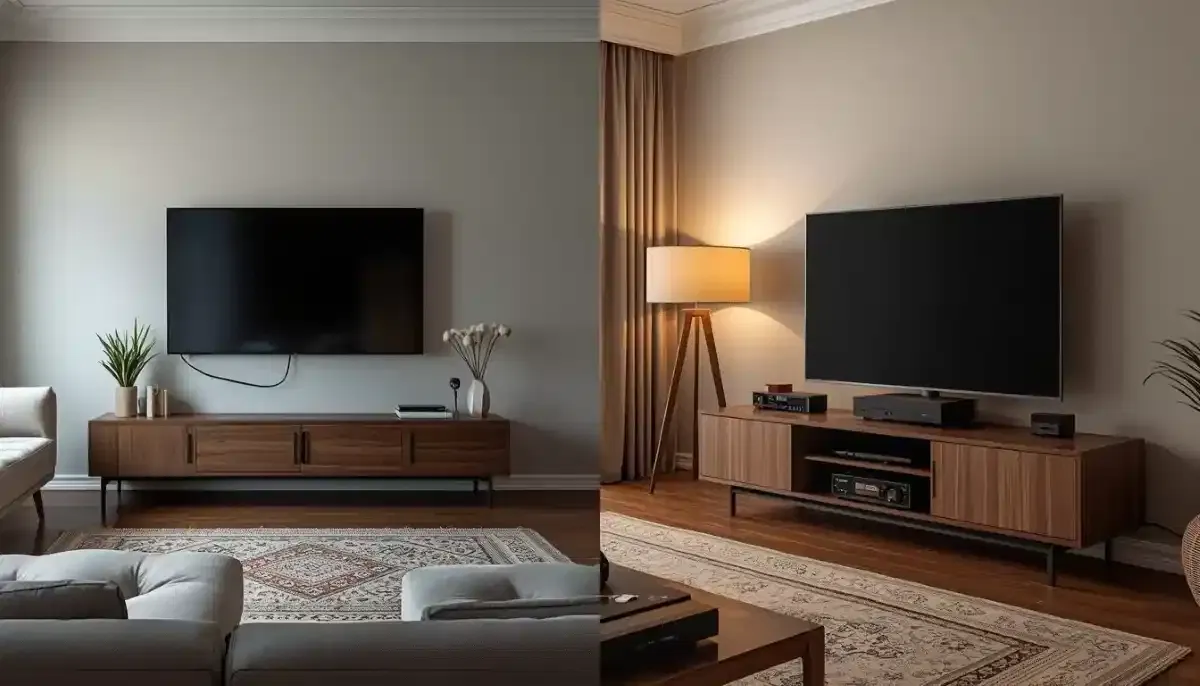
Wall Mount vs TV Stand South Africa – Which is Right for Your Home?
🛋️ Safety, style, flexibility, and cost: we compare wall mounting vs TV stands for South African homes.
You’ve just moved into a new apartment in Sandton, or perhaps you’re renovating your family home in Cape Town. The big question: should you wall-mount your new flatscreen, or stick with a traditional TV stand? It’s more than just aesthetics. The choice affects child safety tip-over risks, your ability to rearrange furniture, the potential for wall damage, and even your viewing experience. Understanding the wall mount vs TV stand South Africa debate is key to making the right decision for your home and family.
This guide breaks down the pros and cons of each option. We compare TV stand vs wall mounting pros and cons across critical factors: safety (especially for young children), flexibility, viewing angle, cable management, and cost. We also explore hybrid options like floating TV unit vs bracket and address specific South African concerns, such as rental property TV mounting rules (what you can and can’t do in a leased home) and the stability of stands in areas with vibration stability concerns. Whether you’re in Pretoria, Durban, or Bellville, this guide helps you choose.
If you’re ready to get started with a professional installation, explore our Services Overview or visit our TV Mounting page to find vetted installers near you. For more on how we work, see How It Works.
Not Sure Which Option to Choose?
Get free, no-obligation quotes from local TV mounting specialists who can advise you on the best setup for your home.
Find TV Mounting Experts Near Me
Servicing Johannesburg, Pretoria, Cape Town, Durban, and nationwide
📋 Table of Contents – Wall Mount vs TV Stand
⚡ Quick Comparison: Wall Mount vs TV Stand
Here’s a snapshot of how the two options compare.
- Wall Mount: Sleek, space-saving, modern look. Better for child safety tip-over prevention. Fixed position – harder to rearrange furniture. Requires drilling into walls (potential wall damage). Professional installation recommended.
- TV Stand: Flexible, easy to move and rearrange. No wall damage. Provides storage space for components. Higher risk of tip-over if not secured. Can take up floor space.
Read more about our approach on our About Us page or see why clients choose us on our Benefits page.
🛡️ Safety: Tip-Over Prevention
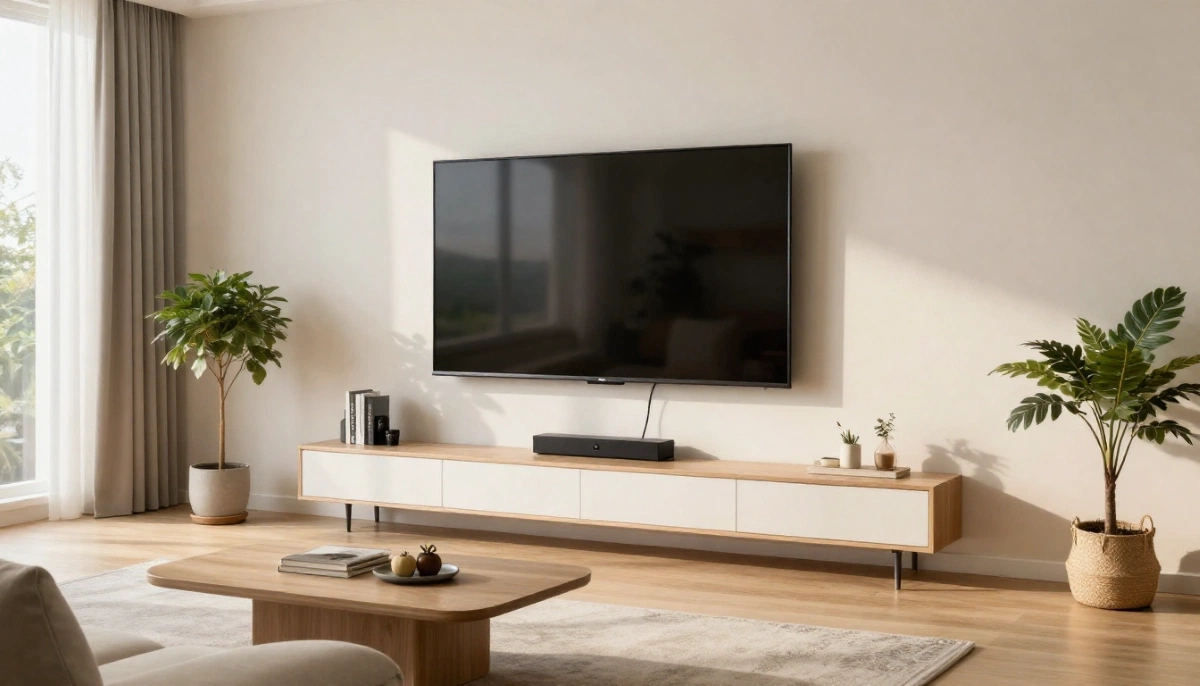
This is arguably the most important factor, especially for families with young children. The Childsafe South Africa organization highlights the danger of TV tip-overs.
- Wall Mount: When properly installed into studs or masonry with appropriate fixings, a wall-mounted TV is extremely secure. It cannot be pulled over by a child. This is the safest option for childproofing.
- TV Stand: A TV on a stand can be tipped over if a child climbs on the furniture or pulls on the TV. Even if the stand itself is stable, the TV can be top-heavy. Anti-tip straps (which anchor the TV to the wall) are available and should be used. However, they are an additional step and may not be as secure as a proper wall mount.
Verdict: For homes with toddlers or young children, wall mounting is the superior choice for TV stand safety vs wall bracket. See our TV mounting safety tips for more.
🔄 Flexibility & Furniture Rearrangement
How often do you move your furniture around?
- Wall Mount: Once mounted, the TV’s position is fixed. Changing the room layout means moving the TV, which requires patching and re-drilling holes. This is a major drawback if you like to rearrange frequently.
- TV Stand: Maximum flexibility. You can easily slide the stand to a different wall, move it to another room, or reposition it within the same room. This is a huge advantage for renters or those who like to update their space often.
Verdict: If furniture rearrangement flexibility is a priority, a TV stand is the better choice. For a fixed, permanent setup, wall mounting wins.
👀 Viewing Angle & Ergonomics
Comfortable viewing is key. This relates directly to our guide on best TV mounting height.
- Wall Mount: Allows you to position the TV at the perfect console height for your seating. With a tilting or full-motion bracket, you can also adjust the angle to reduce glare. However, once set, the angle is fixed unless you have an articulating arm.
- TV Stand: The TV height is determined by the stand’s height. This may not be ideal if your seating is low or high. You can sometimes tilt the TV slightly on its feet, but options are limited. Viewing angle is generally fixed.
Verdict: Wall mounting with a tilting bracket offers the best ergonomic adjustability. For a simple setup, a stand is fine if the height matches your seating.
✨ Aesthetics & Space Saving
This is often the deciding factor for style-conscious homeowners in areas like Fourways or Stellenbosch.
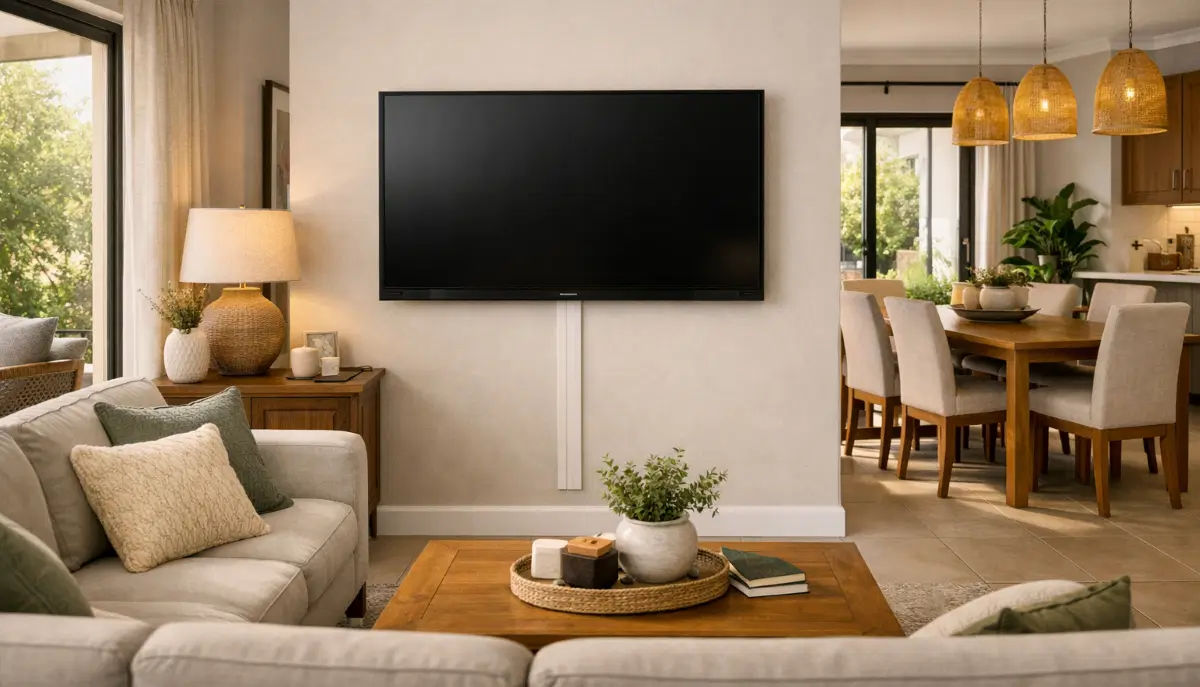
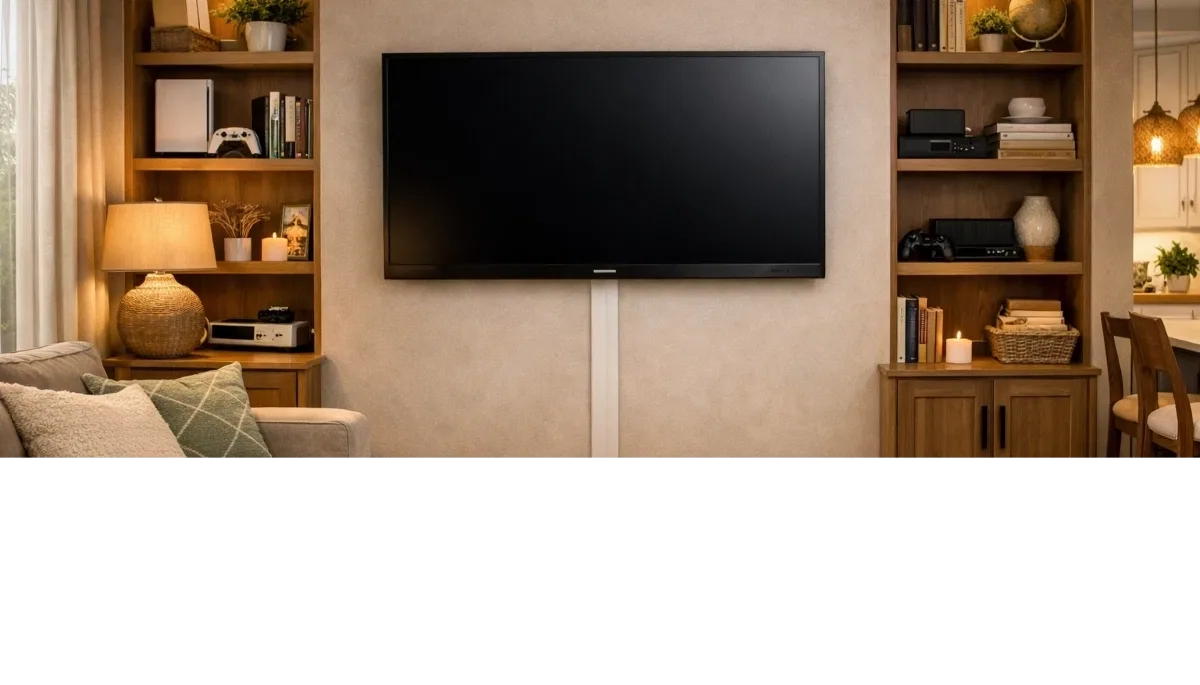
- Wall Mount: Creates a sleek, minimalist look. The TV appears to float on the wall, freeing up floor space. It’s the hallmark of modern interior design. When combined with in-wall cable concealment, the result is a clean, uncluttered wall.
- TV Stand: Provides a visual anchor and can be a piece of furniture in its own right. It offers storage for components, games, and media. However, it takes up floor space and can make a room feel smaller, especially in compact apartments in Umhlanga.
Verdict: For a clean, space-saving look, wall mounting wins. For those who need storage and like furniture as a design element, a stand is better.
🔌 Cable Management & Hidden Wires
Tangled wires are the enemy of a clean look.
- Wall Mount: Offers the potential for perfect cable management. Wires can be run inside the wall (using an in-wall kit) or hidden in surface trunking. This creates a pristine appearance but requires planning and often professional help.
- TV Stand: Cables are easier to manage but harder to hide completely. They can be routed behind the stand, but may still be visible. Some stands have built-in cable channels. It’s simpler but rarely as clean as a professional in-wall job.
Verdict: Wall mounting, combined with professional cable concealment, offers the cleanest look. A stand is simpler but may always have some visible wires.
💰 Cost Comparison
Your budget matters. Here’s a rough breakdown.
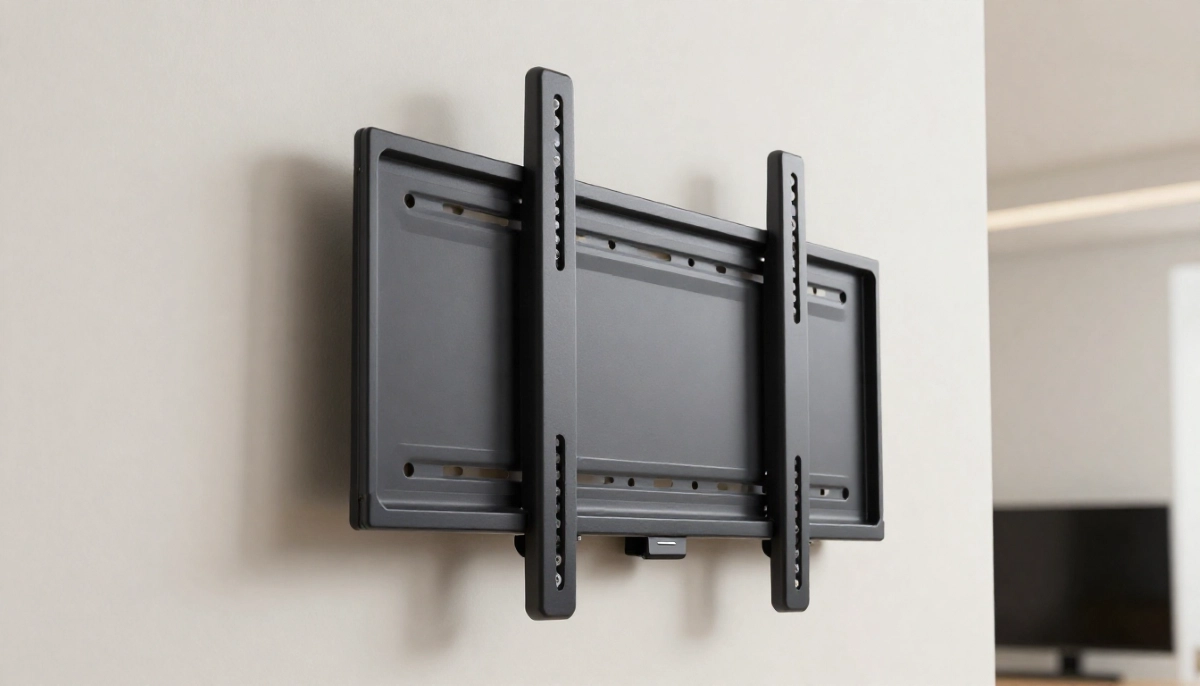
- Wall Mount: You’ll pay for the bracket (R250-R2,500+) and professional installation (R500-R1,500+). Total installed cost: R750 – R4,000+ depending on bracket and complexity. See our TV mounting cost guide for details.
- TV Stand: You pay for the stand itself (R800 – R5,000+ for a decent quality unit). No installation cost (unless you pay for assembly). You may also need to purchase anti-tip straps (R100-R300).
Verdict: A basic TV stand is often cheaper upfront. However, a professional wall mount with a quality bracket can add value and style that may be worth the extra cost.
🏢 Rental Property TV Mounting Rules
If you’re renting in Johannesburg or Cape Town, this is crucial.
- Wall Mount: Drilling holes in walls is usually considered a modification that requires landlord permission. Many leases prohibit it, or require you to patch and repaint when you move out. Always get written consent before mounting. Failure to do so could cost you your deposit.
- TV Stand: No wall damage, no permission needed. It’s the renter-friendly choice. You can take it with you when you move.
Rental property TV mounting rules vary by lease. Always check first. A TV stand is the safe, no-fuss option for tenants.
🪵 Floating TV Units: The Best of Both?
A floating TV unit vs bracket is a popular compromise. A floating shelf or cabinet is mounted on the wall, and the TV sits on it (or is mounted just above it).
- Pros: Provides some of the sleek, off-the-floor look of a wall mount, while offering storage space. No need to hide wires inside the wall – they can run behind the unit. Less risk of wall damage from the TV mount itself.
- Cons: The TV is still at a fixed height determined by the unit. The unit itself must be securely mounted into studs. It’s not as minimalist as a pure wall mount.
- Best for: Bedrooms and living rooms where you want storage and a modern look without the commitment of a full wall mount.
Our TV cabinet integration service can help you design this setup.
🧱 Wall Damage & Repairs
What happens when you change your mind or move out?
- Wall Mount: Requires drilling holes. If you remove the mount, you’ll have 2-4 holes to patch (for the bracket) plus potentially a larger hole for in-wall cable concealment. Patching and repainting is a DIY job or costs a few hundred rand from a handyman.
- TV Stand: No wall damage whatsoever. This is a major advantage for renters and homeowners who like to change layouts.
Verdict: If you’re worried about wall damage, a TV stand is the risk-free choice. The damage from a wall mount is usually minor and repairable.
📳 Vibration Stability
This is a niche but important factor for some homes.
- Wall Mount: A TV securely fixed to a solid wall is extremely stable. It won’t vibrate or shake from foot traffic, passing trucks, or nearby speakers. This can improve picture clarity and reduce motion blur.
- TV Stand: A TV on a stand can vibrate if the floor is bouncy or if someone walks heavily nearby. This can be distracting. High-quality stands with wide bases are more stable, but they can’t match the rigidity of a wall mount.
Vibration stability is better with a wall mount, especially in multi-story homes or rooms with wooden floors.
📊 Wall Mount vs TV Stand – Complete Comparison Table
| Factor | Wall Mount | TV Stand |
|---|---|---|
| Safety (Tip-Over) | ✅ Excellent (when installed correctly) | ⚠️ Risk if not secured with straps |
| Flexibility | ❌ Fixed position | ✅ Easy to move and rearrange |
| Viewing Angle | ✅ Optimal with tilting bracket | ⚠️ Fixed by stand height |
| Aesthetics | ✅ Sleek, modern, space-saving | Traditional, can be bulky |
| Cable Management | ✅ Can be perfectly hidden | ⚠️ Visible wires possible |
| Cost (Initial) | R750 – R4,000+ installed | R800 – R5,000+ (no install) |
| Storage | ❌ None (unless combined with unit) | ✅ Shelves, cabinets |
| Rental Friendly | ⚠️ Needs permission, leaves holes | ✅ No damage, no permission |
| Wall Damage | ⚠️ Minor holes (repairable) | ✅ None |
| Vibration Stability | ✅ Excellent | ⚠️ Can vibrate on some floors |
🤔 Decision Guide: Which is Better for You?
Answer these questions to make your choice.
- Do you have young children or pets? → Wall mount is safer (tip-over prevention).
- Are you renting? → TV stand is simpler (no permission needed).
- Do you love to rearrange furniture? → TV stand offers flexibility.
- Is your room small or do you want a minimalist look? → Wall mount saves space.
- Do you need storage for components? → TV stand or floating unit.
- Is your viewing position directly opposite the TV? → Fixed wall mount is fine. If you watch from different angles, consider a full-motion bracket.
- Is your floor bouncy or prone to vibration? → Wall mount offers better stability.
Still unsure? Our free inspection service includes a consultation to help you decide.
❌ 7 Common Mistakes When Choosing
- Mistake #1: Ignoring child safety. Even if you don’t have kids, visiting children are at risk. If you choose a stand, always use anti-tip straps.
- Mistake #2: Not checking rental rules. Drilling without permission can cost you your deposit. Always get it in writing.
- Mistake #3: Choosing the wrong bracket. A fixed bracket is wrong if you need to tilt or swivel. See our bracket types guide.
- Mistake #4: Forgetting about cables. A wall-mounted TV with dangling wires looks worse than a stand. Plan for cable management.
- Mistake #5: Mounting at the wrong height. TVs mounted too high cause neck strain. See our height guide.
- Mistake #6: Not securing a TV stand. A heavy TV on a lightweight stand is a tip-over hazard. Ensure the stand is sturdy and use straps.
- Mistake #7: Assuming all walls are suitable. Drywall may not support a heavy TV without proper anchors. Get a professional assessment.
❓ Frequently Asked Questions
Is wall mounting better than a stand for safety?
Yes, for child safety tip-over prevention, a properly installed wall mount is far safer than a stand. The TV is securely fixed and cannot be pulled over. If you use a stand, always secure it with anti-tip straps.
Can I mount a TV on the wall in a rental property?
Rental property TV mounting rules vary. Most leases require landlord permission for drilling holes. Always ask in writing. If denied, a TV stand is your best option to avoid losing your deposit.
What are the pros and cons of a TV stand?
TV stand pros and cons: Pros – flexibility, no wall damage, storage, renter-friendly. Cons – takes floor space, tip-over risk if not secured, cables may be visible, viewing angle fixed.
Is a floating TV unit better than a bracket?
A floating TV unit vs bracket offers a compromise: it provides storage and a modern look but the TV height is fixed by the unit. It’s great for bedrooms and living rooms where you want both style and functionality.
Does wall mounting damage the wall?
Yes, wall mounting requires drilling holes for the bracket. The damage is minor (2-4 small holes) and easily patched and painted when you move or change your mind. It’s a small price for the benefits.
Which is better for a small apartment?
For a small apartment in Sandton or Cape Town, wall mounting is usually better. It frees up valuable floor space and creates a cleaner, less cluttered look.
How do I prevent my TV stand from tipping over?
Use anti-tip straps or brackets that secure the stand (and the TV) to the wall. These are inexpensive and easy to install. Also, place heavier items on lower shelves. See Childsafe for guidelines.
Can I change the height of a wall-mounted TV?
Not easily. Once the bracket is installed, the height is fixed. If you have a full-motion bracket, you can tilt and swivel, but the vertical position is set. Choose your height carefully using our height guide.
What is the best option for a home theatre?
For a dedicated home entertainment setup, wall mounting is preferred. It allows for perfect screen positioning and integration with surround sound speakers. A floating unit can work if you need component storage.
Does a TV stand affect sound quality?
A TV stand can cause some vibration or resonance, especially if it’s hollow. Wall mounting eliminates this, potentially improving sound clarity. However, the difference is subtle for most viewers.
✅ Final Thoughts – Your Decision Action Plan
The wall mount vs TV stand South Africa decision comes down to your priorities: safety, flexibility, aesthetics, and rental status. There’s no universal right answer – only the right answer for your home and family.
Key takeaways:
- Prioritize child safety tip-over – wall mount is safest, but stands can be secured.
- Renters should lean towards stands unless they have explicit permission.
- Wall mounting offers the cleanest look and saves space, but sacrifices flexibility.
- TV stands offer storage and the freedom to rearrange.
- Consider a floating unit as a compromise.
Your 5-Step Action Plan
- Assess your needs: Safety, flexibility, aesthetics, storage.
- Check your rental agreement: If renting, know the rules.
- Measure your space: Consider room size and viewing distance.
- Decide on bracket type: If wall mounting, choose fixed, tilting, or full-motion.
- Get professional help: For wall mounting, use a vetted installer. For a stand, ensure it’s sturdy and use anti-tip straps.
Ready to Make Your Choice?
Get free, no-obligation quotes from vetted TV mounting specialists who can advise you and install your chosen setup safely.
📞 Call us: 073 138 4726 for personalised assistance
Free site inspections •
Beat-your-quote guarantee •
Our guarantees
📚 Official resources & standards:
- Childsafe South Africa – Tip-over prevention guidelines for homes.
- National Safety Council – Home safety recommendations.
Information accurate as of publication. This guide is for informational purposes. For specific advice, consult a professional.
Written by: Innocent T Hanyani
21+ years construction and digital industry experience, ServiceLink SA
Innocent has advised hundreds of homeowners on home entertainment setups, balancing safety, aesthetics, and practicality. His expertise ensures this guide helps you make an informed choice for your specific situation.
For more detailed information, explore our related guides: TV mounting costs to budget your project, our best TV mounting height guide for optimal viewing, our fireplace mounting guide for a popular application, and our home entertainment setup guide for complete systems. For help finding the right professional, see our contractor selection guide and ensure they have proper liability insurance. Our free inspection and beat-your-quote services are also available.