
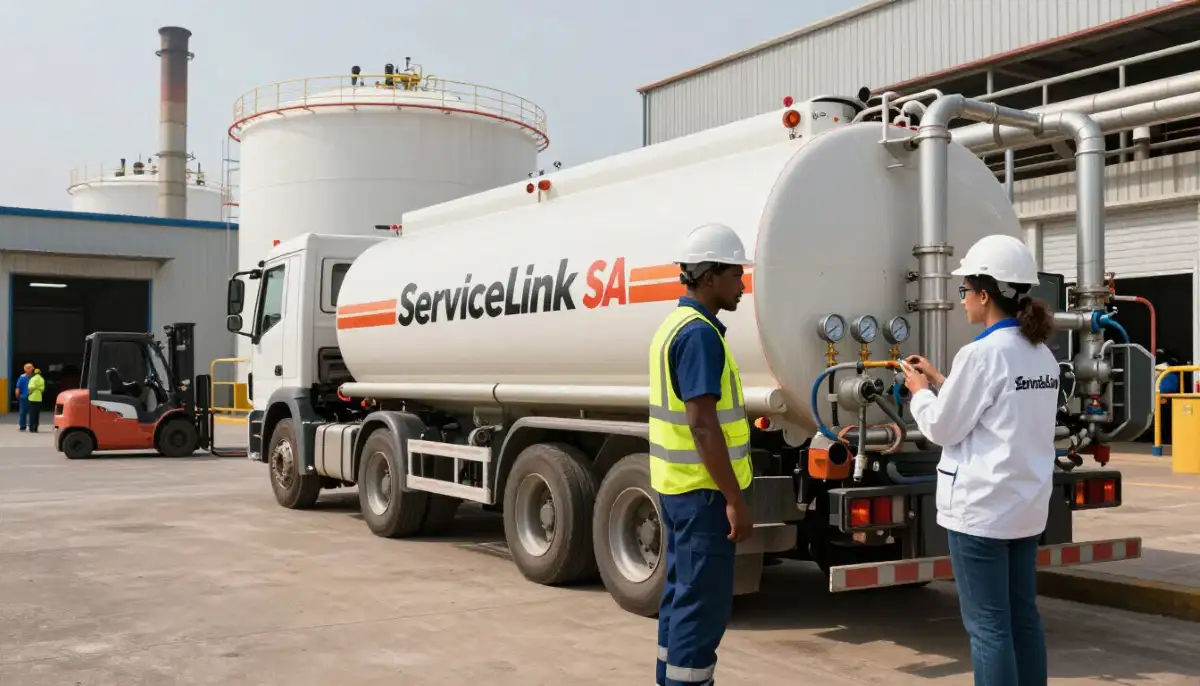
Power Your Manufacturing Operations
ServiceLink SA connects you with verified bulk fuel suppliers specializing in industrial diesel supply. If we can’t assist directly, we’ll connect you with our trusted partner companies to carry out your fuel supply projects professionally and timeously.
Get Free Industrial Fuel Quotes
Servicing Johannesburg, Pretoria, Durban, Cape Town, Germiston, Boksburg, and across South Africa
Bulk Fuel for Manufacturing Plants: Industrial Diesel Supply SA
🏭 From process heating to backup power—your complete guide to factory fuel delivery and industrial diesel management
I once visited a food manufacturing plant in Germiston during a particularly brutal week of load shedding. They had invested millions in diesel generators to keep production running when Eskom failed. But they had made one critical mistake: they hadn’t secured reliable industrial diesel supply. When load shedding hit stage 6, their generators ran for 18 hours straight—and then ran out of fuel. The supplier they had used for years couldn’t deliver for another 36 hours.
The result? R3 million in spoiled product, missed delivery deadlines, and a major customer threatening to switch suppliers. All because they treated fuel as an afterthought rather than a strategic priority.
For South African manufacturers, bulk fuel for manufacturing plants is no longer just about powering forklifts and trucks. In the age of load shedding, diesel generators are often the difference between meeting production targets and shutting down entirely. Industrial diesel supply has become a critical component of business continuity planning.
This comprehensive guide covers everything you need to know about factory fuel delivery, including diesel supply for manufacturing operations, process heating applications, backup generator fuel strategies, storage compliance, and cost optimization. For more on supplier selection, read how to choose a bulk fuel supplier.
Ready to secure your manufacturing plant’s fuel future? Let’s dive in.
📋 Table of Contents – Manufacturing Fuel Supply Guide
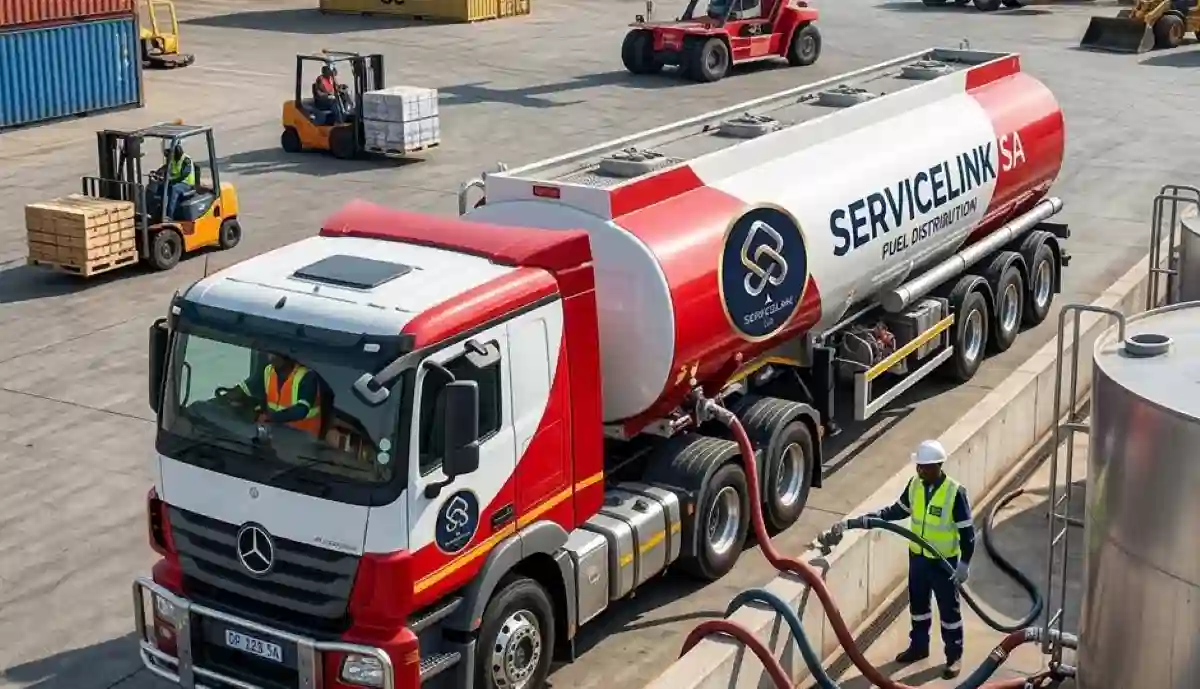
⚠️ Why Bulk Fuel Matters for Manufacturing Plants
Diesel powers critical functions in manufacturing—from backup generators during load shedding to process heating and material handling equipment. When fuel fails, production stops.
⚠️ Warning: The High Cost of Manufacturing Fuel Disruption
A single day without diesel during load shedding can cost a medium manufacturing plant R500,000-R2,000,000+ in lost production, spoiled product, and missed deliveries. For continuous process industries (chemicals, food, metals), restart costs can exceed R5 million. Reliable industrial diesel supply isn’t optional—it’s business continuity.
Why bulk fuel for manufacturing plants demands strategic attention:
- Load shedding protection: Diesel generators are the primary defense against Eskom power outages.
- Process continuity: Many manufacturing processes can’t stop mid-cycle—fuel must be available 24/7.
- High consumption: Large generators and process heaters consume massive volumes during outages.
- Storage constraints: Limited on-site storage requires reliable, frequent delivery.
- Quality sensitivity: Contaminated fuel damages generators and process equipment.
- Regulatory compliance: Industrial storage must meet DMRE, SABS, and DFFE requirements.
- Cost pressure: Fuel is a significant operating expense that must be managed carefully.
Typical diesel consumption by manufacturing application:
| Application | Typical Consumption | Notes |
|---|---|---|
| 500kVA backup generator | 80-120 L/hour | Typical for medium factory |
| 1MW backup generator | 160-240 L/hour | Large factory or continuous process |
| 2MW backup generator | 320-480 L/hour | Heavy industrial plant |
| Process heater (diesel-fired) | 50-200 L/hour | Depends on heat requirement |
| Forklifts and material handling | 5-15 L/hour per unit | Varies by duty cycle |
| Fleet vehicles (delivery trucks) | 10-25 L/hour per truck | If plant operates delivery fleet |
For more on cost management, read bulk fuel supply costs in South Africa.
🏭 Diesel Applications in Manufacturing
Understanding where and how your plant uses diesel helps you plan industrial diesel supply effectively:
Backup power generation (highest priority):
- Diesel generators for load shedding and grid failures
- Consumption depends on generator size and outage duration
- Requires guaranteed availability—no room for “sorry, we’re out of fuel”
- Critical for continuous process industries (food, chemicals, pharmaceuticals, metals)
Process heating:
- Process heating applications include dryers, ovens, furnaces, and boilers
- Diesel-fired heaters for asphalt plants, concrete block curing, food processing
- Often runs continuously during production shifts
- High-volume, predictable consumption
Material handling equipment:
- Diesel forklifts, reach trucks, container handlers, yard tractors
- Lower volume but daily consumption
- Requires on-site refuelling capability
Fleet vehicles:
- Delivery trucks, service vehicles, company cars
- If fleet returns to plant daily, depot fueling is cost-effective
- If fleet is long-haul, fuel cards may be better
Standby equipment:
- Fire pumps, emergency lighting generators, critical system backups
- Low consumption but must be available 100% of the time
- Requires regular testing and fuel quality management
Fuel planning tip for manufacturers: Calculate your worst-case load shedding scenario. If stage 6 load shedding continues for a week, how much diesel do your generators need? That’s your minimum on-site storage requirement. Many plants discover they have only 2-3 days of backup fuel—dangerously insufficient.
For more on generator fuel, read generator fuel supply and refilling.
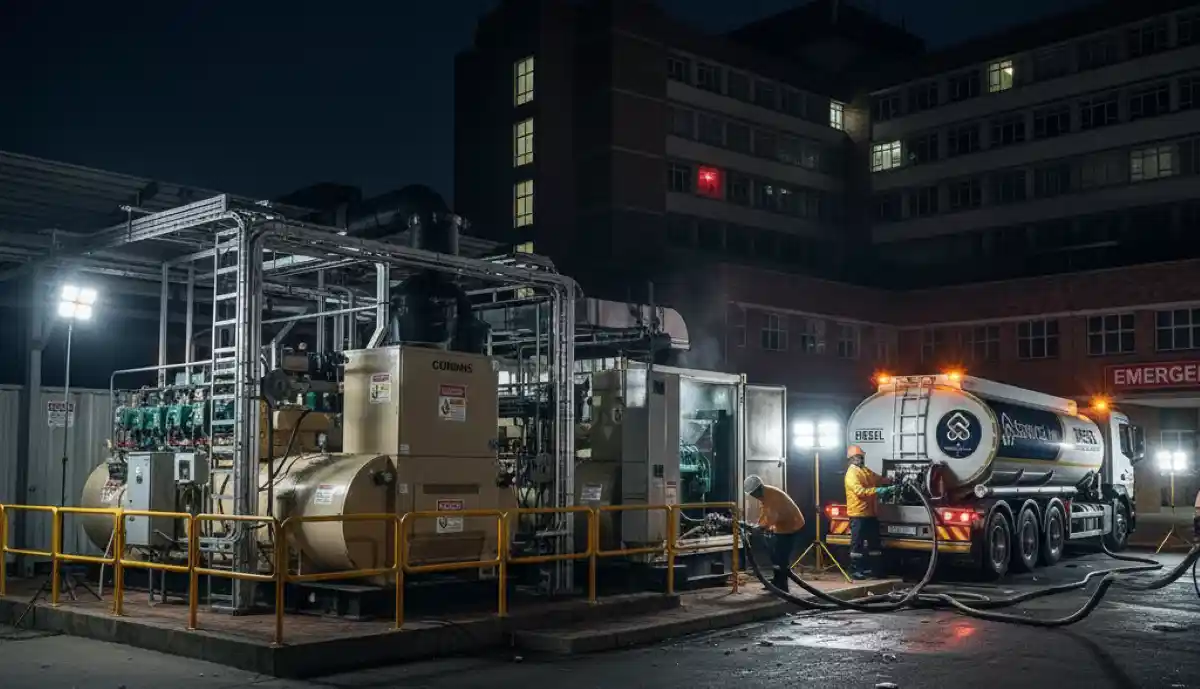
⚡ Backup Generator Fuel for Load Shedding: A Strategic Imperative
For South African manufacturers, backup generator fuel is no longer a nice-to-have—it’s a strategic necessity. Here’s how to manage it effectively:
Calculate your generator fuel requirements:
- Determine generator fuel consumption (L/hour) at typical load
- Multiply by worst-case daily outage hours (stage 6 = 8-12 hours daily)
- Multiply by required days of autonomy (recommended: 7-14 days minimum)
- Add 20% buffer for higher consumption under full load
Example calculation for a 1MW generator:
• 1MW generator at 70% load: ~180 L/hour
• Stage 6 load shedding: 10 hours daily = 1,800 L/day
• 7 days autonomy = 12,600 L storage required
• Add 20% buffer = 15,000 L minimum storage
Generator fuel management best practices:
- Automated tank monitoring: Real-time level alerts prevent surprise outages
- Rotating fuel stock: Use oldest fuel first to prevent degradation
- Regular quality testing: Test for water, microbial growth, and degradation quarterly
- Emergency delivery agreements: Contracts with guaranteed response times (4-8 hours)
- Dual supplier strategy: Primary and backup suppliers for critical protection
- Generator exercise schedule: Run generators under load monthly to test systems and consume/rotate fuel
Common generator fuel mistakes to avoid:
- Assuming fuel in tanks is always usable (it degrades over time)
- Insufficient storage for extended load shedding
- No automated monitoring (discover empty tanks when it’s too late)
- Single supplier dependency (no backup if primary fails)
- Ignoring fuel quality (contaminated fuel damages generators)
⚠️ Important Warning
Diesel stored for more than 6-12 months can degrade, grow microbial contamination (diesel bug), and damage your generators. Implement a fuel rotation program or schedule regular polishing (filtration) for long-term storage. Testing costs R500-R2,000. Generator repairs cost R50,000-R500,000+. Don’t skip testing.
For more on generator services, read generator fuel services.
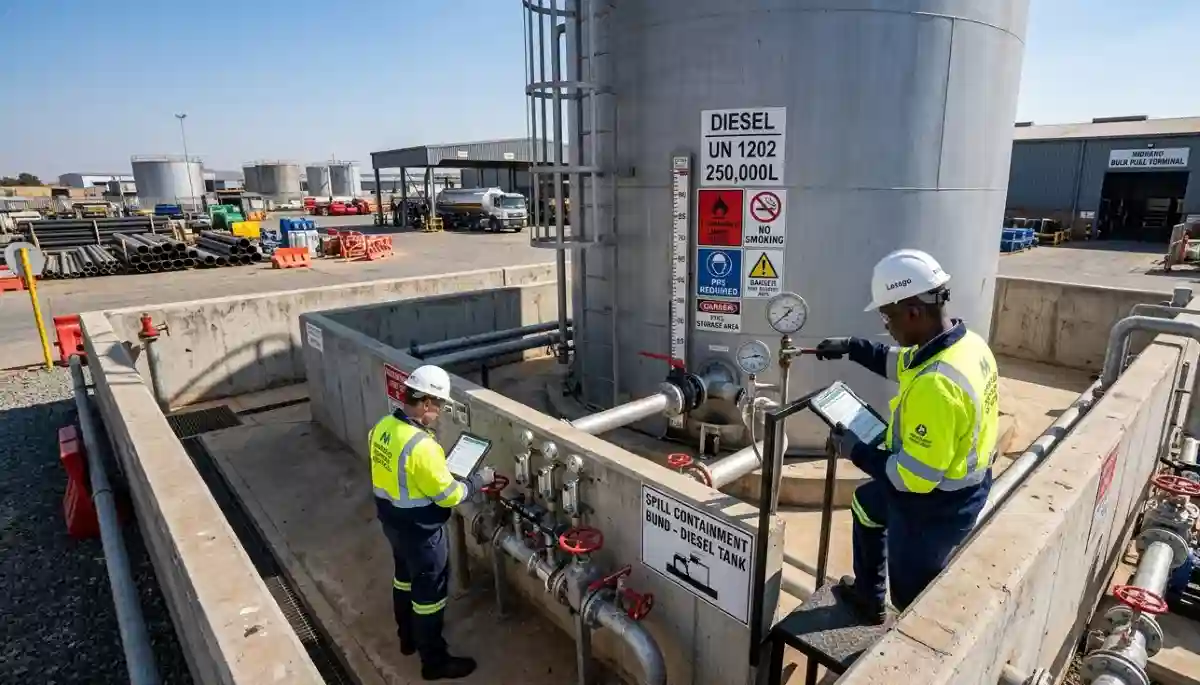
🔥 Process Heating: Diesel for Industrial Heat
Process heating is a major diesel application in many manufacturing sectors. Here’s what you need to know:
Industries using diesel for process heating:
- Asphalt and concrete: Drum dryers and hot mix plants
- Food processing: Dryers, ovens, cookers, fryers
- Chemical manufacturing: Reactor heating, distillation
- Metals and foundries: Furnaces, heat treatment
- Textiles: Dryers, curing ovens
- Brick and tile: Kilns, drying chambers
Process heating fuel management:
- Predictable consumption: Process heating typically runs on schedule—easier to forecast than backup power
- Quality critical: Contaminated fuel affects product quality, not just equipment
- Storage sizing: Calculate based on maximum continuous run time (e.g., 7 days production)
- Delivery scheduling: Schedule deliveries during off-hours to avoid interrupting production
Efficiency opportunities:
- Regular burner maintenance improves fuel efficiency 5-15%
- Heat recovery systems capture waste heat for other processes
- Alternative fuels consideration (gas, biomass) for long-term cost reduction
- Automated consumption monitoring identifies inefficiencies
Process heating vs backup power: key differences
| Factor | Process Heating | Backup Power |
|---|---|---|
| Consumption pattern | Predictable, scheduled | Variable, outage-dependent |
| Storage priority | High (process-critical) | Critical (business continuity) |
| Quality sensitivity | Very high (affects product) | High (affects equipment) |
| Consumption forecasting | Easy (production schedule) | Difficult (outage timing) |
| Typical volume | Higher (continuous operation) | Variable (outage duration) |
For more on industrial storage, read commercial fuel storage tanks.
Need Reliable Industrial Diesel Supply?
ServiceLink SA connects you with verified suppliers specializing in manufacturing fuel delivery, backup generator fuel, and process heating diesel. If we can’t assist directly, we’ll connect you with our trusted partner companies to carry out your fuel supply projects professionally and timeously.
Get Free Industrial Fuel Quotes
Diesel supply for manufacturing operations—find local specialists serving your industrial area.
✅ What Makes a Great Manufacturing Fuel Supplier?
Not all fuel suppliers understand manufacturing’s unique needs. Here’s what separates industrial specialists from general suppliers:
Essential characteristics for manufacturing fuel suppliers:
- DMRE industrial compliance: Understanding of DMRE – Industrial fuel regulations.
- SABS industrial storage knowledge: Experience with SABS – Industrial storage standards.
- DFFE environmental compliance: Knowledge of DFFE – Environmental compliance for industrial storage.
- Generator fuel expertise: Understanding of generator consumption patterns and load shedding impact.
- Process heating experience: Familiarity with industrial burner requirements and fuel quality needs.
- Emergency response capability: Guaranteed delivery times for load shedding emergencies.
- Large-volume delivery: Ability to deliver 20,000L-80,000L+ for industrial storage tanks.
- Quality assurance program: Regular fuel testing and contamination prevention.
- 24/7 availability: Load shedding doesn’t keep office hours—neither should your supplier.
- Storage system integration: Can integrate with your tank monitoring and fuel management systems.
Why manufacturing specialization matters: A fuel supplier who only serves retail stations or small fleets may not understand generator consumption during extended load shedding, process heating quality requirements, or industrial storage compliance. Manufacturing-experienced suppliers understand your production pressures.
ServiceLink SA verifies manufacturing fuel supplier credentials during our screening process. If we can’t assist directly, we’ll connect you with our trusted partner companies who specialize in industrial fuel supply. Learn how we verify fuel suppliers.
🚩 7 Red Flags of Manufacturing Fuel Suppliers (Avoid at All Costs!)
When sourcing bulk fuel for manufacturing plants, watch out for these warning signs:
- No generator fuel expertise: Can’t advise on load shedding consumption or storage requirements.
- No emergency delivery guarantee: “We’ll try our best” isn’t acceptable for manufacturing continuity.
- No process heating experience (if needed): Unfamiliar with industrial burner fuel quality requirements.
- Limited delivery volume: Maximum 10,000L deliveries mean frequent deliveries—disruptive and inefficient.
- No quality testing program: Can’t provide fuel quality certificates or testing services.
- No after-hours availability: Only delivers 9-5—load shedding happens anytime.
- Poor industrial compliance knowledge: Unaware of DMRE, SABS, or DFFE industrial requirements.
For more scam prevention, read how to avoid contractor scams—many principles apply to industrial fuel suppliers too.
🔍 Where to Find Manufacturing Fuel Suppliers Near You
Finding reliable factory fuel delivery partners requires industry-specific sources:
Best methods (recommended):
- ServiceLink SA: Our platform connects you with verified suppliers specializing in manufacturing fuel delivery, generator fuel, and process heating diesel. If we can’t assist directly, we’ll connect you with our trusted partner companies. Get quotes from manufacturing fuel suppliers near you.
- DMRE industrial registers: Check licensed industrial fuel suppliers. DMRE – Industrial fuel regulations.
- SABS compliant suppliers: Suppliers meeting industrial storage standards. SABS – Industrial storage standards.
- Manufacturing industry referrals: Ask fellow plant managers for recommendations.
- Generator maintenance companies: Often have fuel supplier relationships they can share.
Methods to avoid or use with caution:
- General fuel suppliers without industrial experience: They likely don’t understand generator load shedding or process heating requirements.
- Social media or classifieds: Never source industrial fuel from unverified online listings—reliability is critical.
For a complete list of service categories, see our bulk fuel supply services page.
📋 How to Verify a Manufacturing Fuel Supplier (6 Critical Checks)
Before contracting any industrial diesel supply partner, run through this verification checklist:
- Verify DMRE industrial compliance: Check industrial fuel licensing. DMRE – Industrial fuel regulations.
- Confirm SABS industrial storage knowledge: Ask about industrial tank standards. SABS – Industrial storage standards.
- Check DFFE environmental compliance: Verify spill response and environmental management. DFFE – Environmental compliance.
- Request manufacturing client references: At least 3 references from similar manufacturing plants. Call them. Ask about generator fuel reliability, load shedding response, and process heating quality.
- Test their emergency response: Call their emergency line during off-hours. Do they answer? What’s their guaranteed delivery time?
- Verify quality testing program: Ask for fuel quality certificates and testing frequency.
For more detailed verification guidance, read how to verify a contractor.
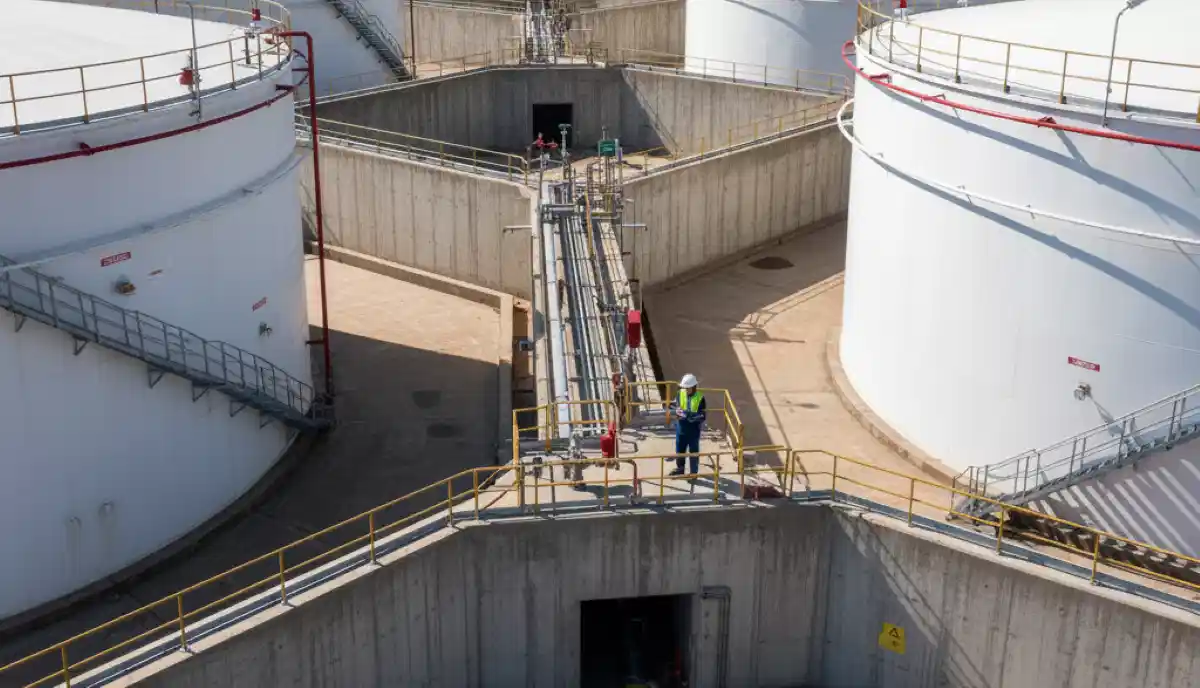
🏭 Industrial Fuel Storage Solutions for Manufacturing Plants
Proper storage is critical for bulk fuel for manufacturing plants. Here are compliant solutions:
Above-ground industrial tanks (most common):
- Typical capacity: 20,000L – 200,000L+
- Must meet SABS – Industrial storage standards
- Double-skinned or bunded for spill containment
- Remote monitoring capability for real-time level tracking
- Lockable dispensing systems with access control
Generator day tanks:
- Small tanks (500L – 5,000L) directly feeding generators
- Automated refilling from bulk storage
- Must meet SABS standards for generator installations
- Often include leak detection and automatic shut-off
Process heating storage:
- Dedicated tanks for burner fuel
- May require filtration systems for burner protection
- Often integrated with production control systems
Industrial storage compliance requirements:
- SABS-compliant tanks (SANS 10089-3)
- Spill containment (bunding at 110% of tank capacity)
- Fire suppression systems (depending on tank size and location)
- Hazchem signage clearly displayed
- DFFE environmental authorization for larger installations
- Regular inspections (monthly visual, annual professional)
- Spill response plan and equipment on-site
Best practices for industrial fuel storage:
- Install automated tank monitoring with alerts for low levels, high levels, and water detection
- Implement fuel rotation (first-in-first-out) to prevent degradation
- Conduct quarterly fuel quality testing (water, microbial, degradation)
- Schedule deliveries during off-hours to avoid production disruption
- Maintain minimum 7-14 days of backup generator fuel at all times
- Consider dual-tank systems for critical applications (redundancy)
For more on storage, read fuel tank installation, commercial fuel storage tanks, and bulk diesel storage regulations.
❓ Frequently Asked Questions About Manufacturing Fuel Supply
How much backup generator fuel should my manufacturing plant store?
For backup generator fuel, store minimum 7-14 days of worst-case load shedding consumption. Calculate: generator L/hour × daily load shedding hours (stage 6 = 8-12 hours) × days autonomy + 20% buffer. Example: 1MW generator (180 L/hour) × 10 hours × 7 days + 20% = 15,000+ litres minimum.
What is process heating and why does it need special fuel consideration?
Process heating refers to using diesel-fired burners for industrial heat (dryers, ovens, furnaces, kilns). It requires higher fuel quality standards than generators because contaminated fuel affects product quality, not just equipment. Regular fuel testing is essential for process heating applications.
What are the DMRE regulations for industrial fuel storage?
DMRE industrial fuel regulations require licensed suppliers, approved storage facilities, spill containment, regular inspections, and emergency response plans. See DMRE – Industrial fuel regulations for complete requirements for manufacturing plants.
How do I ensure diesel quality for long-term generator storage?
For long-term diesel supply for manufacturing operations storage, implement fuel rotation (use oldest first), conduct quarterly testing (water, microbial, degradation), add biocides if needed, and schedule fuel polishing (filtration) annually. Degraded fuel damages generators—testing costs R500-R2,000, generator repairs cost R50,000-R500,000+.
What SABS standards apply to industrial fuel storage?
SANS 10089-3 covers fuel storage tanks for industrial applications. Requirements include secondary containment (bunding at 110% capacity), proper tank materials, fire safety equipment, hazchem signage, and regular inspections. See SABS – Industrial storage standards for complete requirements.
What DFFE environmental compliance is required for manufacturing fuel storage?
DFFE requires environmental authorization for larger industrial fuel storage installations, spill containment systems (bunding), spill response plans, regular inspections, incident reporting, and potential groundwater monitoring. See DFFE – Environmental compliance for manufacturing requirements.
How do I calculate my manufacturing plant’s total diesel requirement?
Calculate total industrial diesel supply requirement by summing: backup generator fuel (L/hour × expected outage hours), process heating fuel (L/hour × production hours), material handling equipment fuel, and fleet vehicle fuel (if applicable). Add 20% buffer for variability. This tells you required storage capacity and monthly delivery volume.
Can I get emergency fuel delivery for my manufacturing plant during load shedding?
Yes, professional industrial fuel suppliers offer 24/7 emergency delivery, especially during load shedding. Establish relationships with emergency providers before you need them. Ask for guaranteed response times (4-8 hours). Emergency delivery costs more (wholesale price + R2.00-R4.00/L + call-out fee) but prevents production losses that can exceed R500,000-R2,000,000+ daily.
✅ Final Thoughts: Secure Your Manufacturing Plant’s Fuel Future
Your approach to bulk fuel for manufacturing plants directly impacts your production continuity, product quality, and business survival. In the age of load shedding, fuel isn’t just an expense—it’s a strategic asset that determines whether you can keep operating when the grid fails.
Key takeaways from this guide:
- Manufacturing fuel disruption costs R500,000-R2,000,000+ daily in lost production
- Backup generator fuel requires minimum 7-14 days storage for load shedding protection
- Process heating applications need higher fuel quality standards than generators
- Always verify DMRE industrial compliance, SABS storage standards, and DFFE environmental requirements
- Implement automated tank monitoring for real-time visibility and alerts
- Conduct regular fuel quality testing—degraded fuel damages expensive equipment
- Establish emergency delivery relationships with guaranteed response times
- ServiceLink SA connects you with verified industrial fuel specialists—if we can’t assist directly, we’ll connect you with our trusted partner companies
Your action plan: Use ServiceLink SA to request quotes from verified manufacturing fuel suppliers in your area. Calculate your worst-case load shedding fuel requirement. Ensure your storage capacity meets or exceeds this need. Choose a supplier with 24/7 emergency capability and quality testing programs. Implement automated monitoring. Then rest easier knowing your plant can survive whatever Eskom throws at it.
Ready to Secure Reliable Industrial Diesel Supply?
ServiceLink SA connects you with verified suppliers offering manufacturing fuel delivery, backup generator fuel, and process heating diesel. If we can’t assist directly, we’ll connect you with our trusted partner companies to carry out your fuel supply projects professionally and timeously.
📞 Call us: 073 138 4726 for immediate help finding manufacturing fuel suppliers near your plant.
Diesel Delivery •
Generator Fuel Services •
Fuel Tank Installation •
Emergency Fuel Delivery •
Fuel Management Systems
📚 Official resources & standards referenced:
- DMRE – Department of Mineral Resources and Energy – Industrial fuel regulations and licensing.
- SABS – South African Bureau of Standards – Industrial storage standards (SANS 10089-3) and fuel quality specifications.
- DFFE – Department of Forestry, Fisheries and the Environment – Environmental compliance for industrial fuel storage.
- Eskom – Load shedding schedules – Official load shedding information for generator fuel planning.
Information provided for general guidance based on independent research and official sources. Industrial regulations, environmental requirements, and load shedding schedules change periodically. Always verify current requirements directly with DMRE, SABS, DFFE, and Eskom.
Written by: ServiceLink SA Research Team
Industrial Fuel Supply & Manufacturing Continuity Specialists
The ServiceLink SA Research Team combines expertise from industrial fuel logistics, manufacturing operations, generator systems, and regulatory compliance. Our analysts track DMRE industrial regulations, SABS storage standards, DFFE environmental requirements, and maintain relationships with accredited suppliers serving manufacturing plants across South Africa. This guide draws on primary research, official DMRE and SABS standards, and direct interviews with plant managers, maintenance engineers, and operations directors in food processing, chemicals, metals, automotive, and general manufacturing sectors. Our mission is to help South African manufacturers secure reliable industrial diesel supply for backup power, process heating, and material handling—critical capabilities in the era of load shedding. If we can’t assist directly, we’ll connect you with our trusted partner companies who specialize in industrial fuel supply.
For more information about bulk fuel for manufacturing plants, explore our related resources: how to choose a bulk fuel supplier, diesel delivery services, generator fuel supply and refilling, bulk fuel supply costs, commercial fuel storage tanks, and fuel management systems. See our location-specific guides for Johannesburg, Germiston, Boksburg, Durban, and Cape Town.