💧 Save Water with Greywater Recycling
Get quotes from verified greywater system installers. Reduce your water bill by 30-50%. Free inspections available.
Get Greywater System Quotes Near You
Servicing Gauteng, Western Cape, KwaZulu-Natal, Johannesburg, Cape Town, Durban, and across South Africa
Greywater Systems for Homes in South Africa: Save Water & Reduce Bills
💧 From bathwater to beautiful gardens—complete guide to greywater recycling, installation, costs, and savings
Every day, your family sends hundreds of litres of perfectly usable water down the drain. Bathwater, shower water, laundry water—it’s called greywater, and it’s one of South Africa’s most underutilised resources. In a water-scarce country where municipal tariffs rise 8-12% annually, reusing greywater isn’t just environmentally responsible—it’s financially smart.
I’ve helped homeowners across Gauteng, the Western Cape, and KwaZulu-Natal install greywater systems. The results are remarkable: water bills cut by 30-50%, gardens that thrive during droughts, and the satisfaction of knowing every drop is used twice.
A greywater system South Africa homeowners install can be as simple as a R2,000 diverter or as sophisticated as a R35,000 treatment system. This guide will teach you everything about greywater recycling—from legal requirements to installation options, costs to savings, and how to choose the right home greywater system for your property.
For related information, read our rainwater harvesting guide, water saving plumbing tips, low-flow fixtures guide, and water efficient fixtures guide. Let’s put that water to work.
📋 Table of Contents – Greywater Systems Guide
💧 What Is Greywater? (And What It’s NOT)
Understanding water reuse starts with knowing what greywater is—and isn’t:
✅ GREYWATER (SAFE TO REUSE)
- Bathwater (soap, shampoo, skin cells)
- Shower water
- Bathroom sink water (handwashing)
- Laundry water (from washing machine)
❌ BLACKWATER (NOT FOR REUSE)
- Toilet water (contains human waste)
- Kitchen sink water (grease, food, bacteria)
- Dishwasher water (food particles, detergents)
- Nappy washing water
What greywater CAN be used for: Garden irrigation (underground drip systems only—never spray), toilet flushing (with treatment), and outdoor cleaning.
What greywater CANNOT be used for: Drinking, cooking, bathing, or any human consumption. Never use greywater on vegetables or root crops.
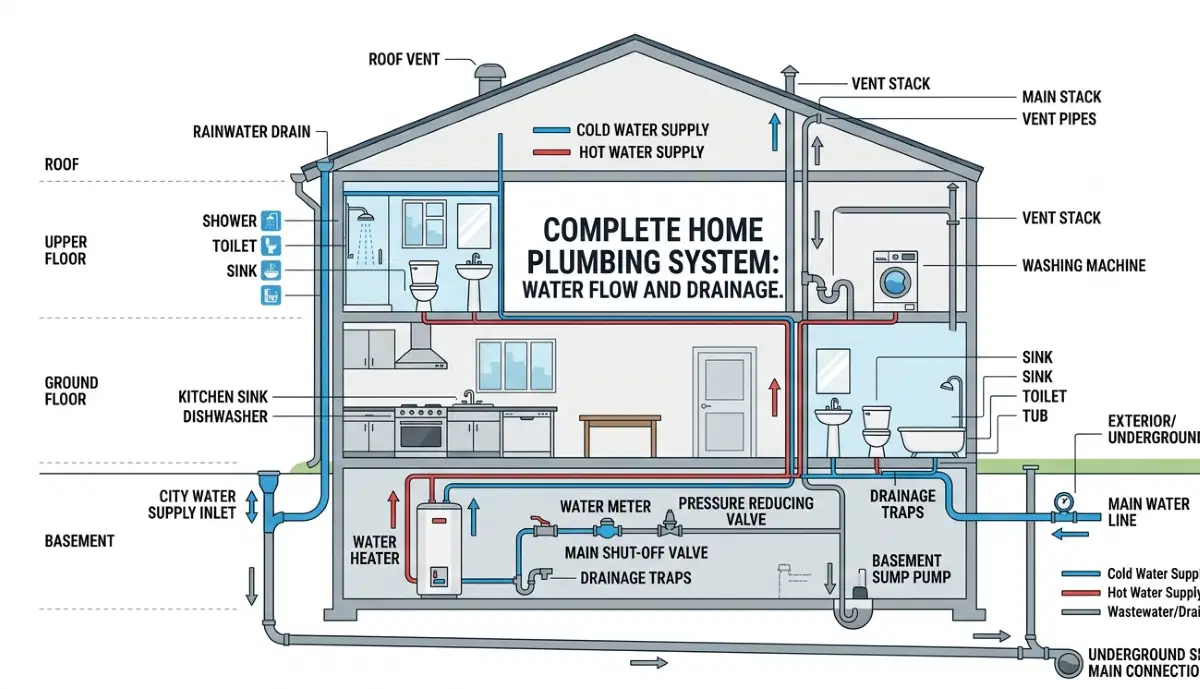
Read our home plumbing system diagram guide to understand where greywater sources are located in your home.
🌍 Why Greywater Matters in South Africa
South Africa is a water-scarce country. Here’s why every home should consider a home greywater system:
📉
30-50% Reduction
Typical household water savings with greywater recycling
💰
R3,000-R8,000/Year
Average annual savings on water bills
🌿
100,000+ Litres
Annual water saved per household
The bigger picture: South Africa’s average annual rainfall is 450mm (well below the global average of 860mm). Climate change, population growth, and aging infrastructure mean water will only become more expensive and restricted. Homes with water reuse systems are future-proofing against stricter regulations and higher costs.
Read our water saving plumbing tips guide for more conservation strategies.
⚖️ Legal Requirements & Regulations
Before installing a greywater system South Africa, understand the legal framework:
- Department of Water and Sanitation (DWS): Sets national standards for greywater reuse. Systems must not create health hazards or environmental damage.
- Municipal bylaws: Many municipalities have specific requirements. Some require permits for greywater systems. Check with your local municipality before installation.
- SANS 10400 compliance: Greywater systems must comply with South African National Standards for plumbing and drainage.
- Backflow prevention: Required to prevent greywater from flowing back into the main water supply.
- Subsurface irrigation only: Most regulations require greywater to be applied underground (drip irrigation), never sprayed above ground.
Penalties for non-compliance: Fines, system removal orders, and liability for environmental damage. Always use a PIRB-registered plumber for installation.
Read our plumbing COC guide for compliance information.
💧 Save Water with Greywater Recycling
Get quotes from verified greywater system installers. Reduce your water bill by 30-50%. Free inspections available.
Free quotes • Verified installers • Beat Your Quote guarantee
🔧 Types of Greywater Systems
Several types of home greywater system options are available:
| System Type | Cost Range | Complexity | Best For | Water Quality |
|---|---|---|---|---|
| Laundry-to-Landscape Diverter | R2,000-R5,000 | Low | Garden irrigation only | Untreated |
| Shower/Bath Diverter | R2,500-R6,000 | Low | Garden irrigation only | Untreated |
| Basic Filtration System | R8,000-R15,000 | Medium | Garden + some outdoor use | Basic treatment |
| Full Treatment System | R25,000-R50,000+ | High | Toilet flushing + irrigation | Treated (near-potable) |
For most homeowners, a simple diverter system (R2,000-R6,000) is sufficient for garden irrigation. Full treatment systems are for those wanting to flush toilets with greywater.
Read our low-flow plumbing fixtures guide for complementary water-saving upgrades.
💧 Simple Diverter Systems (Budget-Friendly)
A simple diverter is the most affordable greywater system South Africa option:
How it works: A three-way valve is installed on your washing machine or shower drain pipe. When opened, water flows to your garden instead of the sewer.
Components: Diverter valve (R500-R1,500), pipes to garden, mulch basin or drip irrigation.
Installation: Can be DIY for handy homeowners or professionally installed (R1,000-R2,500 labour).
Pros: Affordable, simple, no maintenance (except cleaning filters), uses greywater immediately (no storage = no bacteria growth).
Cons: Only works when source is running, limited to garden irrigation only, requires manual diversion.
Best for: Garden irrigation only, budget-conscious homeowners, renters (removable).
For laundry-to-landscape systems, read our greywater installation guide for detailed instructions.
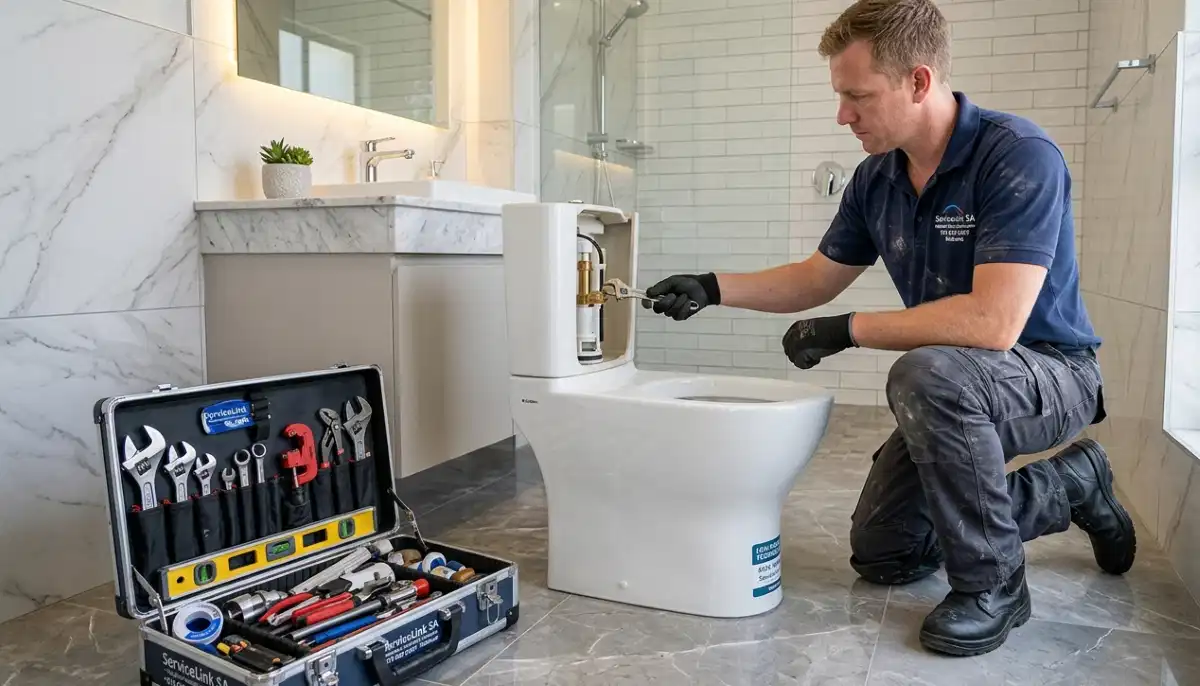
🔧 Treatment Systems (Premium)
Full treatment systems are the premium greywater recycling solution:
How it works: Greywater is collected, filtered, treated (often with UV or biological processes), and stored in a tank for later use.
Components: Collection tank, filtration system, treatment unit (UV or bio), storage tank, pump, and distribution pipes.
Installation: Professional only (R5,000-R10,000 labour). Requires permits in most areas.
Pros: Can flush toilets, stored water available on demand, treated water is safe, can irrigate more plants.
Cons: Expensive, requires regular maintenance (filter cleaning, UV bulb replacement), needs electricity for pumps.
Best for: Large homes, drought-prone areas, homeowners wanting maximum independence, new builds.
🔧 How to Install a Greywater System at Home
How to install a greywater system at home depends on the type. Here’s an overview:
For a simple diverter (DIY-friendly):
- Identify your greywater source (washing machine or shower drain).
- Install a three-way diverter valve in the drain pipe.
- Run a pipe from the diverter to your garden.
- Install a mulch basin or drip irrigation system.
- Label the diverter clearly (sewer vs garden).
- Test for leaks and proper flow.
For a full treatment system (professional only):
- Professional site assessment and design.
- Obtain necessary permits from municipality.
- Excavate for tanks (if underground).
- Install collection tank, filtration, treatment unit, and storage tank.
- Connect to existing drains and irrigation system.
- Municipal inspection and approval.
⚠️ Critical Warning:
Never store untreated greywater for more than 24 hours. Bacteria grows rapidly, creating health hazards and foul odours. Simple diverter systems should send water directly to the garden—no storage.
💰 Greywater System Cost Guide
Here’s what to budget for a home greywater system in South Africa:
| System Type | Equipment Cost | Installation | Total | Annual Maintenance |
|---|---|---|---|---|
| Laundry-to-Landscape Diverter | R1,500-R3,500 | R500-R1,500 | R2,000-R5,000 | R100-R300 |
| Shower/Bath Diverter | R1,500-R4,000 | R1,000-R2,000 | R2,500-R6,000 | R100-R300 |
| Basic Filtration System | R6,000-R12,000 | R2,000-R4,000 | R8,000-R16,000 | R500-R1,000 |
| Full Treatment System | R20,000-R40,000 | R5,000-R10,000 | R25,000-R50,000 | R1,000-R2,500 |
For location-specific pricing, explore our plumbing services Gauteng, Western Cape, and KwaZulu-Natal pages.
📊 Savings Calculator & Payback Period
Here’s how a greywater system South Africa investment pays for itself:
| Household Size | Monthly Water Bill | Greywater Portion (40%) | Greywater Savings (70% of portion) | Annual Saving | Simple Diverter Payback |
|---|---|---|---|---|---|
| 2 people | R600 | R240 | R168 | R2,016 | 1-2 years |
| 3-4 people | R1,000 | R400 | R280 | R3,360 | 1-2 years |
| 4-5 people | R1,500 | R600 | R420 | R5,040 | 1 year or less |
| 5+ people | R2,000+ | R800+ | R560+ | R6,720+ | Less than 1 year |
Payback example: A R4,000 laundry diverter for a family of 4 saving R3,360/year pays for itself in 1.2 years. After that, pure savings for 10+ years.
Read our benefits of choosing us guide for more on long-term savings.
🚫 What NOT to Put in Greywater
To keep your greywater recycling system safe and effective, avoid these products:
- Bleach and chlorine: Kills beneficial soil bacteria, harms plants.
- Borax (sodium borate): Toxic to plants.
- Sodium hydroxide (caustic soda): Harmful to soil and plants.
- Fabric softeners: Contain salts that damage soil structure.
- Dishwasher detergents (high sodium): Harmful to plants and soil.
- Any product with “antibacterial” claims: Harms soil biology.
Safe products for greywater systems: Biodegradable, plant-based, low-sodium, and phosphate-free laundry detergents and soaps.
Read our water efficient fixtures guide for complementary water-saving products.
🔧 Maintenance Requirements
Proper maintenance keeps your home greywater system running efficiently:
Simple diverter systems:
- Clean filters weekly (if fitted)
- Flush lines with fresh water monthly
- Check for odours (indicates stagnation)
- Winterize if not using (drain lines)
Treatment systems:
- Clean pre-filters weekly
- Replace UV bulbs annually
- Service pumps annually
- Clean storage tank every 2-3 years
- Professional inspection every 2 years
Read our home plumbing maintenance checklist for a complete schedule.
❌ 5 Costly Mistakes to Avoid
Mistake #1: Storing Greywater Without Treatment
Untreated greywater stored for more than 24 hours grows dangerous bacteria (including E. coli). Never store untreated greywater—use direct-to-garden diverter systems or invest in treatment.
Mistake #2: Including Kitchen Sink Water
Kitchen water contains grease, food particles, and high bacterial loads. It’s considered “dark greywater” and should never be used in simple systems. Only use bathroom and laundry water.
Mistake #3: Spraying Greywater Above Ground
Greywater must be applied underground (drip irrigation or mulch basins). Spraying creates aerosolized bacteria, a health hazard. Most regulations require subsurface irrigation.
Mistake #4: Using Greywater on Vegetables
Never use greywater on root crops (carrots, potatoes) or leafy greens (lettuce, spinach). Greywater can contain pathogens that transfer to edible parts. Use only on ornamentals, lawns, and fruit trees (not on fruit).
Mistake #5: No Backflow Prevention
Without proper backflow prevention, greywater can contaminate your main water supply. This is illegal and dangerous. All systems must have approved backflow prevention devices.
📋 Real-World Greywater Case Studies
💧 Case 1: Laundry-to-Landscape in Cape Town
Location: Cape Town | Homeowner: The Williams Family
Problem: High water bills during drought. Garden dying.
Solution: DIY laundry-to-landscape diverter (R3,500). Greywater directed to fruit trees and lawn.
Outcome: Water bill reduced by 35% (R420/month). Garden thriving. Payback 8 months.
Lesson: Simple diverter systems are highly effective for garden irrigation.
🏠 Case 2: Full Treatment System in Johannesburg
Location: Johannesburg | Homeowner: The Nkosi Family
Problem: Wanting maximum water independence. Large garden and multiple toilets.
Solution: Full treatment system (R42,000) recycling shower and laundry water for toilet flushing and irrigation.
Outcome: 60% reduction in municipal water usage. Saving R800/month. Payback 4.5 years.
Lesson: Premium systems cost more but offer greater savings and convenience.
❓ Frequently Asked Questions About Greywater Systems
How to install a greywater system at home?
How to install a greywater system at home depends on complexity. Simple diverter systems (R2,000-R6,000) are DIY-friendly—install a diverter valve on washing machine or shower drain and pipe water to your garden. Full treatment systems (R25,000-R50,000) require professional installation, permits, and municipal approval. Always check local regulations first.
Are greywater systems legal in South Africa?
Yes, greywater recycling is legal in South Africa, but must comply with DWS regulations and municipal bylaws. Requirements include: subsurface irrigation only (no spraying), backflow prevention, no storage of untreated greywater, and permits for treatment systems. Check with your local municipality before installation.
How much does a greywater system cost in South Africa?
A greywater system South Africa costs: simple diverter R2,000-R6,000, basic filtration R8,000-R16,000, full treatment R25,000-R50,000. In Durban or Cape Town, rates may vary. Simple systems pay for themselves in 1-2 years through water savings.
Can I use greywater on my vegetable garden?
No—never use greywater on root vegetables (carrots, potatoes) or leafy greens (lettuce, spinach). Greywater can contain pathogens that transfer to edible parts. Use greywater only on ornamentals, lawns, and fruit trees (avoiding fruit contact). For vegetables, use rainwater or fresh water only.
What’s the difference between greywater and rainwater harvesting?
Greywater reuses water from baths, showers, and laundry. Rainwater harvesting collects rain from your roof. Both are excellent water reuse strategies. Greywater provides year-round supply (dependent on household usage) but requires treatment. Rainwater provides high-quality water but depends on rainfall. Many homes use both systems for maximum water independence.
Do I need a permit for a greywater system?
Simple diverter systems (no storage, direct-to-garden) typically don’t require permits in most municipalities. However, treatment systems with storage tanks always require permits. Always check with your local municipality before installation. Non-compliance can result in fines and system removal orders.
How much water can I save with a greywater system?
A home greywater system typically saves 30-50% of household water consumption. For a family of 4 using 25 kilolitres/month, that’s 7.5-12.5 kilolitres saved monthly (R225-R375/month at R30/kl). Annual savings of R2,700-R4,500. Larger families save more.
How do I find a reliable greywater installer?
To find a reliable installer for greywater recycling: 1) Verify PIRB registration, 2) Ask for greywater system experience, 3) Get detailed quotes, 4) Check reviews. ServiceLink SA connects you with verified installers in Gauteng, Western Cape, and KwaZulu-Natal.
✅ Final Thoughts: Every Drop Counts, Use It Twice
In water-scarce South Africa, greywater recycling is one of the smartest investments a homeowner can make. A simple R2,000-R6,000 diverter system can save 30-50% of your household water, paying for itself in 1-2 years.
Key takeaways for South African homeowners:
- Greywater systems save 30-50% of household water – significant bill reduction
- Simple diverter cost: R2,000-R6,000 – payback 1-2 years
- Full treatment cost: R25,000-R50,000 – payback 4-6 years
- Never store untreated greywater – bacteria grows within 24 hours
- Subsurface irrigation only – never spray greywater above ground
- Check local regulations – permits required for treatment systems
- Use plant-based, low-sodium products – protects soil and plants
Your action plan: Identify your greywater sources (washing machine, shower). Choose a simple diverter system for garden irrigation. Install or hire a professional. Switch to greywater-safe detergents. Start saving water and money today.
💧 Save Water with Greywater Recycling
Get quotes from verified greywater system installers. Reduce your water bill by 30-50%. Free inspections available.
📞 Call us: 073 138 4726 for immediate help finding a greywater specialist near you.
Rainwater harvesting •
Water saving tips •
Low-flow fixtures •
Water efficient fixtures •
Beat Your Quote guarantee
📚 Official resources & standards referenced:
- Department of Water and Sanitation – Greywater regulations and water reuse guidelines.
- SANS 10400 – Water reuse standards and plumbing compliance.
- Plumbing Industry Registration Board (PIRB) – Find registered greywater installers.
Information provided for general guidance based on industry research and DWS/SANS standards. For specific greywater system South Africa advice for your home, consult multiple verified installers.
Written by: ServiceLink SA Research Team
Greywater & Water Conservation Specialists
The ServiceLink SA Research Team comprises greywater system experts, water conservation specialists, and plumbing industry professionals with decades of experience helping homeowners implement greywater recycling across South Africa. Our team works directly with PIRB-registered plumbers, greywater system manufacturers, and water authorities to bring you accurate, actionable information about how to install a greywater system at home, costs, and regulations. We continuously update this guide to reflect current water conservation standards, SANS regulations, and real-world best practices for home greywater system installation.
For more information about greywater systems and water conservation, explore our related resources:
rainwater harvesting guide,
water saving plumbing tips,
low-flow fixtures guide,
greywater installation guide,
and water efficient fixtures guide.
Our what is ServiceLink SA and
how ServiceLink SA works pages explain our verification process.
See our service areas page for greywater system coverage in your region.