
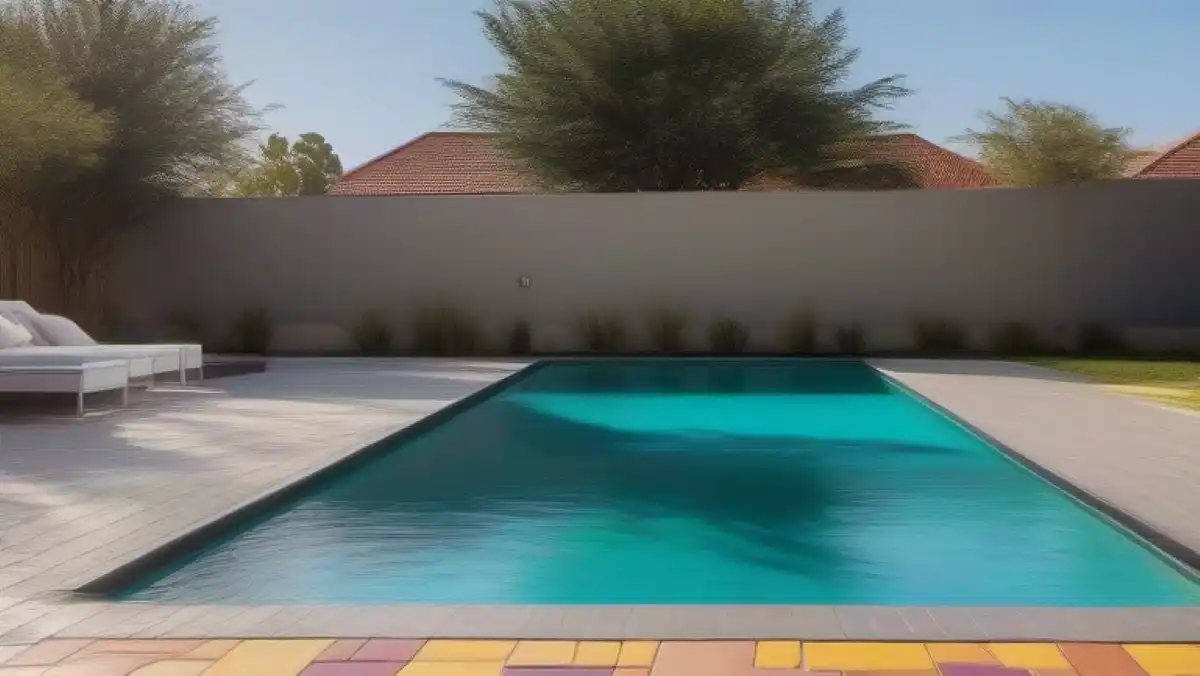
Planning a Pool Tiling Project?
Get free quotes from verified tiling specialists who have experience with pool tile installation, waterline tiles, and coping. Emergency services available.
Servicing Gauteng, Sandton, Fourways, and across South Africa
Swimming Pool Tiling Installation Guide: Complete Guide SA
🏊 From waterline tiles to coping and pool decks – everything you need to know about pool tiling
You’ve dreamed of it for years. A sparkling swimming pool in your backyard – the centrepiece of family weekends, summer parties, and lazy afternoon swims. But the pool shell is just the beginning. The finishing touches – the tiles, the coping, the non-slip deck – transform a concrete hole into a luxurious oasis.
I’ve worked on pool tiling projects across Gauteng, from Sandton to Fourways, and I’ve seen what makes the difference between a pool that looks beautiful for decades and one that starts failing within years. Swimming pool tiling is a specialised skill – it’s not the same as tiling a bathroom or patio. Waterline tiles are constantly submerged and exposed to chemicals. Pool coping takes constant abuse from feet, furniture, and weather. And the pool deck must be non-slip when wet.
In this complete pool tile installation guide, I’ll cover everything: choosing the right tiles for waterline, coping, and deck; proper substrate preparation; waterproofing requirements; installation techniques; and maintenance. You’ll learn about pool coping tiles, waterline mosaics, and non-slip deck options. By the end, you’ll know exactly how to tile a swimming pool – whether you’re hiring a professional or understanding what your contractor should be doing.
For more outdoor tiling advice, check out our guides on best materials for outdoor tiling, non-slip outdoor tiles guide, patio tiling guide, and waterproofing guide. For existing pool issues, read water damage under tiles.
📋 Table of Contents – Swimming Pool Tiling Guide
🏊 Why Tile a Swimming Pool? Benefits Overview
Before diving into pool finishing techniques, let’s understand why tiling is the premium choice:
Benefits of Pool Tiling:
- Beautiful appearance: Tiles offer endless design possibilities – from classic blue waterline to mosaic patterns
- Durable and long-lasting: Quality tiles resist chemicals, UV rays, and weather for decades
- Easy to clean: Tiles don’t absorb algae like plaster or paint
- Protects the pool structure: Tiles act as a waterproof barrier for the concrete shell
- Increases home value: A tiled pool is a premium feature that buyers notice
- Customisable: Create patterns, logos, or even murals with mosaic tiles
- Cooler surface: Light-coloured tiles reflect heat, making pool decks safer for bare feet
Pool Tiling vs Other Finishes:
- vs Plaster/Marcite: Tile lasts 20+ years; plaster lasts 5-10 years and stains easily
- vs Paint: Paint peels within 2-3 years; tile is permanent
- vs Pebble finish: Pebble is durable but limited colours; tile offers unlimited design options
For more on outdoor materials, read our best materials for outdoor tiling guide.

🧱 Types of Pool Tiles – Waterline, Coping & Deck
Swimming pool tiling involves three distinct areas, each with different requirements:
| Area | Purpose | Best Tile Type | Key Requirements | Price/m² |
|---|---|---|---|---|
| Waterline | Visible band at water level, protects shell | Glass mosaic, ceramic mosaic | Chemical-resistant, frost-proof, low absorption | R400 – R1,200 |
| Pool Coping | Top edge of pool – sits on pool wall | Natural stone, porcelain, concrete | Durable, non-slip, weather-resistant, comfortable for sitting | R300 – R800 |
| Pool Deck | Surrounding area – where people walk | Porcelain, quarry, natural stone | Non-slip (R11+), UV-resistant, comfortable underfoot | R250 – R700 |
What Makes a Tile “Pool-Ready”:
- Water absorption: Less than 0.5% for waterline tiles (frost-proof)
- Chemical resistance: Withstands chlorine, salt, and pool chemicals
- UV resistance: Colours won’t fade in direct sunlight
- Slip resistance: R11+ for deck and coping (R10 minimum for covered areas)
💙 Waterline Tiles – Selection & Installation
The waterline is the most visible part of pool finishing. Here’s what you need to know:
Best Materials for Waterline Tiles:
- Glass mosaic tiles: Most popular – stunning colour, chemical-resistant, easy to clean, non-porous. Available in iridescent, solid, or blended colours.
- Ceramic mosaic tiles: More affordable than glass, good durability, wide colour range. Ensure they’re rated for pool use.
- Porcelain waterline tiles: Durable, low absorption, can mimic stone or glass at lower cost.
Waterline Tile Size and Placement:
- Standard waterline band: 1-3 rows of tiles (approximately 100-300mm tall)
- Tile size: 25x25mm mosaics are most common (flexible around curves)
- Larger tiles (100x100mm) work for straight pools but harder to install on curved walls
Installation Tips for Waterline Tiles:
- Must be perfectly level – use a laser level across the entire pool perimeter
- Waterline should be at the skimmer midpoint (professional will calculate)
- Use white thin-set adhesive (grey shows through glass tiles)
- Unsanded grout only – sanded grout scratches glass
- Epoxy grout is best for waterline (maximum chemical and water resistance)
Colour Considerations:
- Light blue/green: Makes water look inviting, traditional pool look
- Dark blue: Creates dramatic contrast, makes water appear deeper
- Turquoise: Popular for tropical or resort-style pools
- Neutral/beige: Modern, minimalist, makes water appear natural
- Glass iridescent: Shimmers and changes colour with light – stunning but expensive
👑 Pool Coping Tiles – The Pool’s Crown
Pool coping tiles cap the top edge of your pool wall. They serve multiple purposes:
Functions of Pool Coping:
- Creates a finished edge between pool wall and deck
- Provides a comfortable surface for sitting (swimmers rest their arms here)
- Protects the pool structure from water infiltration
- Creates a visual transition from water to deck
- Prevents water from running behind the pool shell
Best Materials for Pool Coping:
- Natural stone (travertine, sandstone, slate): Beautiful, stays cool, non-slip. Travertine is very popular for SA pools. Requires sealing.
- Porcelain coping: Durable, low maintenance, available in stone-look finishes. Non-porous, no sealing needed.
- Pre-cast concrete coping: Affordable, can be coloured, but can crack and fade over time.
- Paver coping: Bullnose pavers designed specifically for pool edges.
Coping Styles:
- Bullnose (rounded): Most common – comfortable for sitting, classic look
- Square edge: Modern, minimalist look – less comfortable for sitting
- Overhang: Extends slightly over the water – creates shadow line, hides waterline
- Flush: Level with pool wall – minimalist, less common
Coping Installation Requirements:
- Must overhang the water by 25-50mm to prevent water running down pool wall
- Must have proper slope away from pool (2% minimum)
- Expansion joints every 2-3 meters to prevent cracking
- Use flexible adhesive and grout to accommodate movement
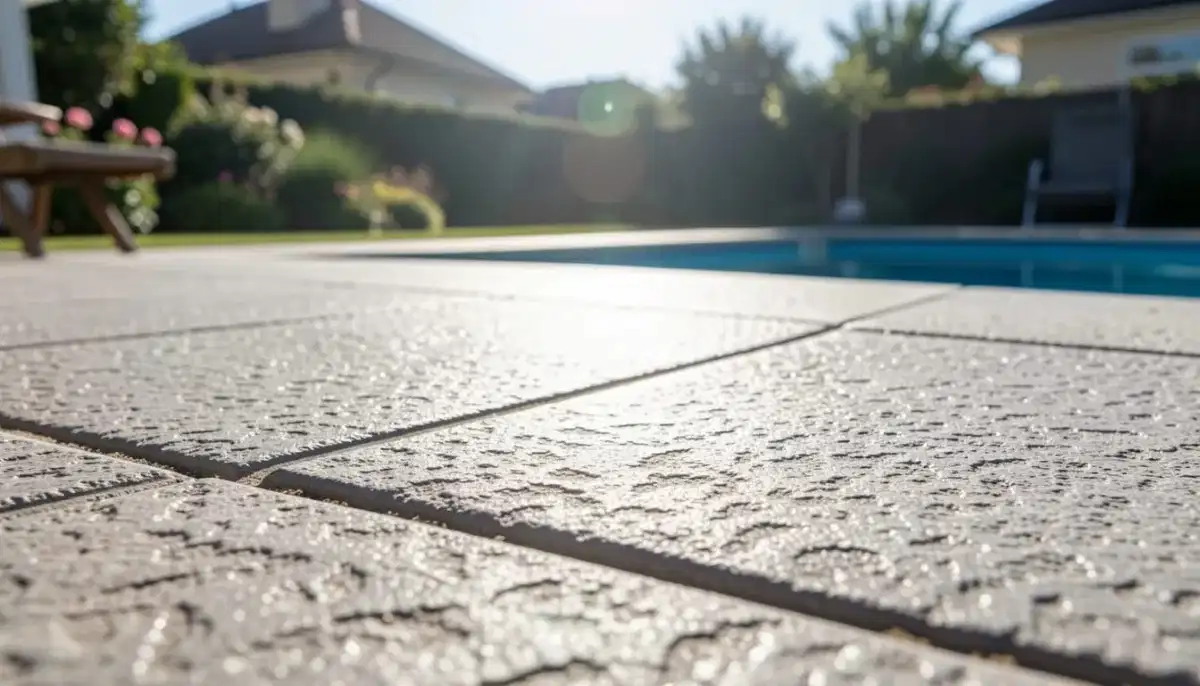
Need Professional Pool Tiling?
Get free quotes from verified tiling specialists who have experience with pool tile installation, waterline mosaics, and coping.
Free inspections available. Fully insured contractors.
🚶 Pool Deck Tiling – Non-Slip Safety First
The pool deck is where people walk barefoot, wet, and often running. Safety is paramount.
Critical Requirements for Pool Deck Tiles:
- Slip resistance rating R11 minimum – R12 is even better for areas directly around water
- Textured or matte finish – never polished or glossy
- UV-resistant – won’t fade in South African sun
- Stays cool – light colours reflect heat; dark tiles become painfully hot
- Low water absorption – prevents freeze-thaw damage
Best Pool Deck Tile Materials:
- Porcelain pavers: Excellent durability, many colours, non-slip textured finishes available. Top choice.
- Quarry tiles: Very slip-resistant, affordable, but limited colours (reds, browns, grey).
- Travertine: Naturally slip-resistant, stays cool, beautiful. Requires sealing.
- Slate: Excellent slip resistance, natural appearance, can be rough on bare feet.
- Rubber pavers: Soft, non-slip, comfortable – but less premium look.
What to Avoid on Pool Decks:
- ❌ Polished or high-gloss tiles – dangerously slippery when wet
- ❌ Dark colours – absorb heat, become too hot for bare feet
- ❌ Smooth natural stone (marble, polished granite) – slippery when wet
- ❌ Tiles with sharp edges – uncomfortable for bare feet
Deck Drainage:
Pool decks must slope away from the pool (2% minimum) to prevent water pooling. Water that pools on deck tiles creates slip hazards and promotes algae growth. Install drainage channels at the perimeter if needed.
For more on non-slip options, read our non-slip outdoor tiles guide.
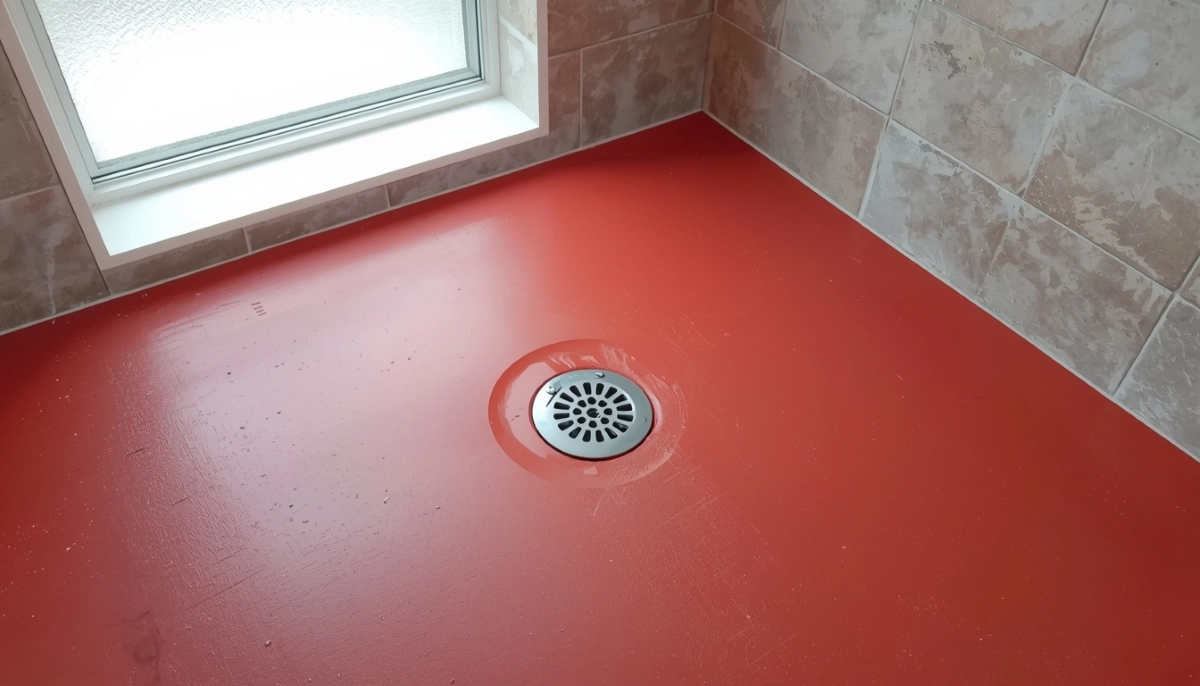
💧 Waterproofing for Swimming Pools – Critical Step
Before any pool tile installation, proper waterproofing is essential. This is governed by SANS 10400 standards.
Why Waterproofing Matters:
- Prevents water from penetrating the concrete pool shell
- Protects against chemical damage (chlorine, salt)
- Prevents efflorescence (white salt deposits) from appearing on tiles
- Extends the life of the pool structure by decades
Types of Pool Waterproofing:
- Cementitious waterproofing: Applied as a coating, bonds to concrete. Most common for pools.
- Liquid membrane: Flexible, bridges small cracks. Good for pools with movement potential.
- Sheet membrane: Very durable but more expensive and complex to install.
Waterproofing Process:
- Pool shell must be fully cured (minimum 28 days for new concrete)
- Surface must be clean, dry, and free of oils
- Apply primer
- Apply waterproofing coating (2-3 coats, following manufacturer instructions)
- Allow to cure fully (typically 48-72 hours)
- Test for pinholes or thin spots
- Apply tile adhesive directly over cured waterproofing
✅ Pro Tip:
Never skip waterproofing. I’ve seen pools where homeowners tried to save R5,000 on waterproofing – and ended up spending R50,000 on tile replacement and pool shell repair within five years. Waterproofing is non-negotiable for swimming pool tiling.
For more on waterproofing, read our waterproofing guide and grouting and waterproofing for durable tiling.
🔧 Step-by-Step Pool Tiling Installation
Here’s the complete process for professional how to tile a swimming pool:
Tools and Materials Needed:
- Pool-rated tiles (waterline, coping, deck)
- Waterproofing membrane and primer
- White polymer-modified thin-set adhesive
- Epoxy or polymer-modified grout (pool-rated)
- Tile spacers (2-3mm for waterline, 3-5mm for coping/deck)
- Rubber mallet and beating block
- Level, laser level, and string lines
- Wet saw with diamond blade
- Grout float and sponge
Step 1: Prepare the Pool Shell
Clean the concrete surface thoroughly. Repair any cracks or spalling. Ensure the surface is smooth and free of protrusions.
Step 2: Apply Waterproofing
Apply primer, then 2-3 coats of pool-grade waterproofing membrane. Allow to cure fully (48-72 hours).
Step 3: Mark Waterline Level
Use a laser level to mark the waterline around the entire pool perimeter. The waterline should be at the midpoint of the skimmer opening. This is critical – mistakes here are very expensive to fix.
Step 4: Install Waterline Tiles First
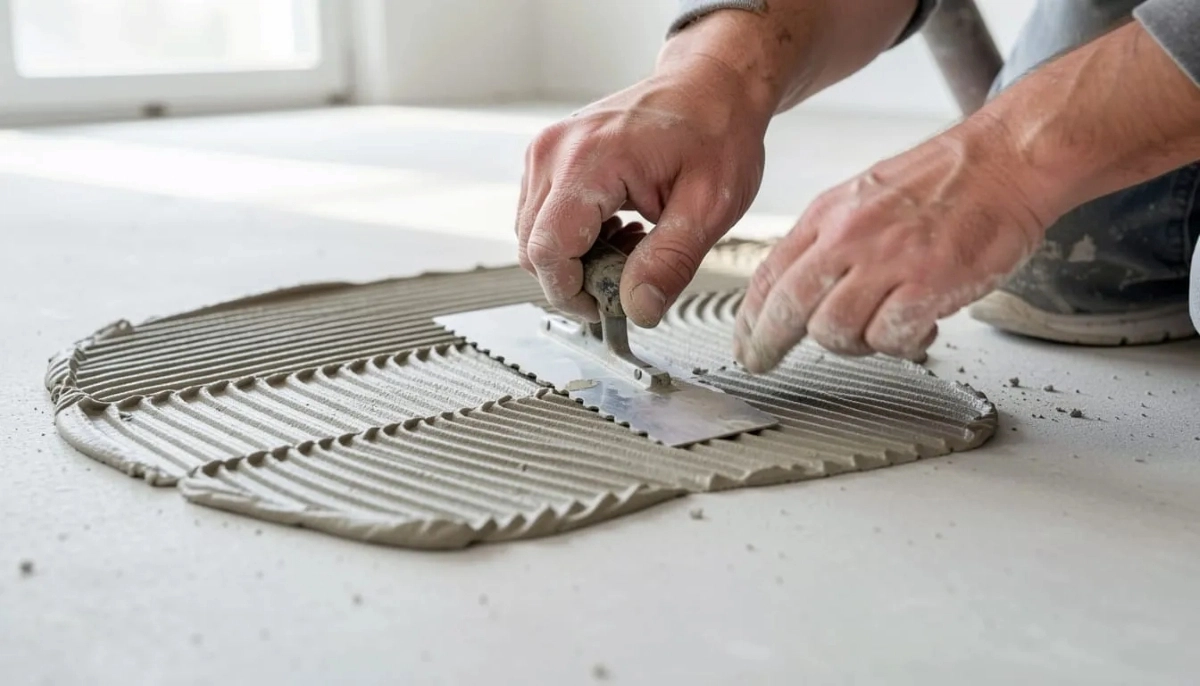
Apply white thin-set adhesive to a small section. Press mosaic sheets into place, using spacers. Work your way around the pool, checking level constantly. For curved pools, you may need to cut individual tiles.
Step 5: Install Coping Tiles
Once waterline tiles are set (24 hours), install coping tiles. Apply adhesive to the top of the pool wall. Set coping tiles with proper overhang (25-50mm over water). Ensure slope away from pool (2% minimum).
Step 6: Install Pool Deck Tiles
After coping is set, tile the pool deck. Ensure proper slope away from pool for drainage. Use R11+ rated non-slip tiles.
Step 7: Allow Adhesive to Cure
Wait 48-72 hours before grouting. Protect from rain during curing.
Step 8: Grout
Use epoxy grout for waterline (best chemical resistance). Use polymer-modified grout for coping and deck. Apply with rubber float, pushing firmly into joints.
Step 9: Clean and Seal
Clean excess grout with damp sponge. After 72 hours, seal natural stone coping and grout lines. Porcelain tiles don’t need sealing.
Step 10: Fill Pool and Test
Once everything is fully cured (minimum 7 days), fill the pool. Check for any leaks or issues. The waterline should be exactly at the middle of your waterline tiles.
🧹 Grouting and Sealing for Pool Environments
Pool environments are harsh – grout must withstand constant water, chemicals, and UV exposure.
Best Grout for Pools:
- Epoxy grout (highly recommended): Completely waterproof, chemical-resistant, stain-proof, doesn’t require sealing. More expensive but worth it for waterline tiles.
- Polymer-modified cement grout: Good alternative, more affordable, but requires sealing. Suitable for coping and deck, not ideal for waterline.
- Standard cement grout: NOT suitable for pools – will absorb water, crack, and grow mould.
Grouting Tips for Pools:
- For glass waterline tiles, use unsanded grout (sanded scratches glass)
- For coping and deck with wide joints (3-5mm), use sanded grout
- Apply grout in small sections – pool surfaces are large
- Clean thoroughly – grout residue on glass tiles is very visible
Sealing Requirements:
- Epoxy grout: No sealing needed
- Polymer-modified grout: Seal after 72 hours, then reseal annually
- Natural stone coping: Must be sealed before and after grouting, then annually
- Porcelain deck tiles: No sealing needed (tile), but grout needs sealing
For more on grouting, read our grouting and waterproofing guide.
🚫 Common Mistakes to Avoid in Pool Tiling
⚠️ Warning: These Mistakes Ruin Pool Tile Installations
Avoid these errors when planning your swimming pool tiling project.
- Skipping or inadequate waterproofing: The most expensive mistake. Water penetrates the shell, causing efflorescence, tile detachment, and structural damage.
- Using indoor tiles outdoors: Indoor tiles absorb water, crack in winter, and become slippery. Always use pool-rated tiles.
- Waterline not level: A crooked waterline is immediately visible and impossible to hide. Use a laser level, not a string line.
- No expansion joints in coping: Coping expands and contracts with temperature. Without joints every 2-3 meters, tiles will crack or pop off.
- Using grey adhesive under glass tiles: Grey shows through translucent glass tiles, ruining the appearance. Always use white thin-set.
- Sanded grout on glass tiles: Sand scratches glass permanently. Use unsanded or epoxy grout for glass mosaics.
- Polished tiles on pool deck: Dangerously slippery when wet. Use textured, R11+ rated tiles only.
- Dark coping or deck tiles: Absorb heat and become too hot for bare feet. Choose light colours that reflect heat.
- Not waiting for full cure before filling pool: Adhesive and grout need 7-14 days to cure fully. Filling early causes failure.
🧽 Maintaining Your Tiled Pool
Proper maintenance keeps your pool finishing beautiful for decades:
Regular Pool Tiling Maintenance:
- Weekly: Brush tiles (especially waterline) to prevent algae buildup. Check for loose or cracked tiles.
- Monthly: Inspect grout for cracks or deterioration. Check coping for movement.
- Annually: Reseal grout (if not epoxy). Reseal natural stone coping. Professional inspection recommended.
- As needed: Replace any loose or cracked tiles immediately – water behind tiles causes extensive damage.
Cleaning Pool Tiles:
- Use pool-safe tile cleaner or mild detergent
- For calcium deposits (white scale), use a calcium remover designed for pools
- Never use acid-based cleaners – they damage grout and tile surfaces
- For algae, use pool algaecide and scrubbing brush
- Avoid pressure washers – can damage grout and dislodge tiles
Winter Care (for areas with freezing):
- Ensure pool is properly winterised
- Never leave water in tiles to freeze – causes cracking
- Cover pool to protect tiles from debris and weather
For more on tile care, read our tile cleaning methods guide.
💰 Pool Tiling Cost Guide
Here’s what you can expect to pay for swimming pool tiling in South Africa:
| Item | Cost Range | Notes |
|---|---|---|
| Glass mosaic waterline tiles/m² | R400 – R1,200 | Iridescent/patterned cost more |
| Ceramic waterline tiles/m² | R250 – R500 | More affordable than glass |
| Pool coping tiles (linear meter) | R300 – R800 | Natural stone or porcelain, includes material |
| Pool deck tiles/m² | R250 – R700 | Non-slip porcelain or quarry |
| Waterproofing (pool shell) | R3,000 – R8,000 | Professional application |
| Installation labour (waterline)/m² | R250 – R400 | Specialist pool tiler |
| Installation labour (deck)/m² | R200 – R350 | Outdoor tiling specialist |
| Average pool (10m x 5m) – waterline only | R8,000 – R20,000 | Approximately 20 linear meters of waterline |
| Complete pool tiling (waterline + coping + 50m² deck) | R35,000 – R80,000+ | Full professional installation |
For a complete breakdown of outdoor tiling costs, read our tile installation cost per square meter guide.
❓ Frequently Asked Questions About Swimming Pool Tiling
What tiles are best for swimming pools?
For swimming pool tiling, glass mosaic tiles are best for waterline (beautiful, chemical-resistant, non-porous). For coping, natural stone (travertine) or porcelain is ideal. For pool decks, textured porcelain with R11+ slip resistance is top choice. All tiles must be pool-rated – check water absorption under 0.5% and frost resistance.
How much does it cost to tile a swimming pool in South Africa?
Pool tile installation costs R8,000-20,000 for waterline tiles only on an average pool (10m x 5m). Complete tiling including waterline, coping, and 50m² deck costs R35,000-80,000+. Glass mosaic waterline tiles cost R400-1,200/m²; coping costs R300-800 per linear meter; deck tiles R250-700/m². Get a free quote from verified specialists.
How long does pool tiling last?
Properly installed pool finishing with quality tiles lasts 20-30+ years. Glass waterline tiles are virtually permanent. Coping and deck tiles last 15-25 years with proper maintenance. This compares favourably to plaster (5-10 years) or paint (2-3 years). Regular maintenance (cleaning, resealing grout) extends lifespan significantly.
Can I tile my swimming pool myself?
Not recommended. How to tile a swimming pool requires specialist knowledge: proper waterproofing, laser-level waterline, chemical-resistant materials, and pool-specific techniques. Mistakes are extremely expensive to fix (draining pool, removing tiles, redoing waterproofing). Hire a verified pool tiling specialist through ServiceLink SA who has contractors liability insurance and offers workmanship guarantees.
What is pool coping and why is it important?
Pool coping tiles cap the top edge of the pool wall. Coping is important because it: creates a finished edge between pool and deck, provides a comfortable surface for sitting, protects the pool structure from water infiltration, and prevents water from running behind the pool shell. Coping must overhang the water by 25-50mm and slope away from the pool.
Do pool tiles need to be sealed?
Glass and porcelain waterline tiles do not need sealing – they’re non-porous. Natural stone coping MUST be sealed before and after grouting, then annually. Grout lines need sealing unless you use epoxy grout (which doesn’t require sealing). Polymer-modified grout should be sealed annually. Sealing prevents water absorption, staining, and chemical damage.
How do I clean pool tiles?
Brush waterline tiles weekly with a pool tile brush to prevent algae buildup. For calcium deposits (white scale), use a calcium remover designed for pools – never acid. For general cleaning, use pool-safe tile cleaner or mild detergent. Avoid pressure washers – they can damage grout. For stubborn stains, consult a professional. Read our tile cleaning methods guide.
Can I use any tile for a pool waterline?
No. Only pool-rated tiles should be used for waterline. Requirements: water absorption under 0.5% (frost-proof), chemical resistance (chlorine/salt), UV resistance (won’t fade), and proper slip resistance (for deck). Never use indoor ceramic, unglazed quarry, or standard glass tiles not rated for pools – they will absorb water, crack, and fail within months.
✅ Final Thoughts: Invest in Quality Pool Tiling
A beautifully tiled pool is the centrepiece of your outdoor space – a place where memories are made, parties are hosted, and families gather. But swimming pool tiling is not the place to cut corners. Cheap tiles fail. Inadequate waterproofing leaks. Poor installation looks crooked and fails early.
Invest in quality materials – glass mosaic waterline tiles, durable coping, non-slip deck tiles. Hire verified specialists who understand pool-specific requirements. And never skip waterproofing – it’s the foundation that everything else depends on.
Key takeaways for pool tiling:
- Use pool-rated tiles only (water absorption under 0.5%, chemical-resistant)
- Never skip waterproofing – it’s non-negotiable
- Waterline must be perfectly level – use laser level
- Pool deck tiles must be non-slip (R11+) and light-coloured (stays cool)
- Coping must overhang water and slope away from pool
- Use white thin-set for glass tiles; epoxy grout for waterline
- Hire verified pool tiling specialists – this is not a DIY project
Your next step: Ready to tile your pool? Get free quotes from verified tiling specialists who have experience with waterline mosaics, coping, and non-slip deck tiles.
Ready to Transform Your Pool with Beautiful Tiles?
Get free quotes from verified tiling specialists who have experience with pool tile installation, waterline mosaics, coping, and non-slip decks.
📞 Call us: 073 138 4726 to discuss your pool tiling project.
Free inspections •
Fully insured contractors •
Workmanship guarantees
Are You a Pool Tiling Specialist?
Join ServiceLink SA’s network of verified tiling contractors. Get qualified leads for pool, waterline, and outdoor tiling projects.
📚 Official resources & standards referenced:
- SANS 10400 – South African National Standard for pool tiling standards, waterproofing requirements, and structural specifications.
- SABS – South African Bureau of Standards for waterproofing standards and tile durability testing for pool environments.
Information provided for general guidance. Pool tiling requires professional assessment of structural and waterproofing conditions.
Written by: Innocent T Hanyani
Construction & Home Services Industry Specialist | 21+ Years Experience
Innocent T Hanyani has over two decades of experience working across South Africa’s construction and home improvement sectors. Throughout his career, he has managed hundreds of pool tiling projects – from waterline mosaic installation to complete pool renovations. His practical experience helps homeowners understand the critical importance of proper waterproofing, the right tile selection for pool environments, and the precision required for a level waterline. He has seen beautiful pools ruined by cheap materials or poor installation – and stunning transformations achieved with quality swimming pool tiling.
For more information about pool and outdoor tiling, explore our related resources: best materials for outdoor tiling, non-slip outdoor tiles guide, patio tiling guide, and waterproofing guide. Learn about our process on what is ServiceLink SA and how we protect homeowners. Find tilers in your area: Gauteng, Sandton, and Fourways. For related services, see our waterproofing and building construction guides.