

Struggling to Choose the Perfect Grout Colour?
Get free quotes from verified tiling specialists who can provide expert grout colour matching advice and flawless installation.
Servicing Gauteng, Johannesburg, Sandton, and across South Africa
Tile Grout Colour Selection Guide: How to Choose the Perfect Shade SA
🎨 From contrasting statements to seamless blends – the complete guide to grout colours that elevate your tile installation
Let me tell you something most tilers won’t admit: grout colour matters just as much as the tile itself. I’ve walked into beautifully tiled bathrooms that looked… off. The tiles were stunning. The layout was perfect. But something was wrong. Nine times out of ten, it was the grout colour.
I’ve been helping South African homeowners with their tiling projects for over two decades. And one of the most common questions I get is: “What grout colour should I choose?” The answer isn’t always simple. It depends on your tile colour, your design goals, your lifestyle, and even your tolerance for maintenance.
This tile grout colour selection guide will walk you through everything you need to choose grout colour with confidence. You’ll learn about matching vs contrasting grout, light vs dark shades, how different grout shade options affect maintenance, and specific recommendations for every room in your home. By the end, you’ll be ready to make a choice you won’t regret.
For more tiling guidance, check out our tiling services, read about grouting and waterproofing, or learn how to fix cracked grout. Ready to master grout colour matching? Let’s dive in.
📋 Table of Contents – Grout Colour Selection Guide
🎨 Why Grout Colour Matters More Than You Think
Grout typically makes up 5-15% of your visible tiled surface. That might not sound like much, but on a large floor or wall, it’s a significant visual element.
How grout colour affects your space:
- Creates visual flow: Matching grout makes tiles blend together for a seamless look
- Defines individual tiles: Contrasting grout highlights each tile’s shape and pattern
- Changes perceived size: Matching grout makes spaces feel larger; contrasting grout can make them feel busier
- Affects maintenance perception: Dark grout hides dirt; light grout shows stains but looks cleaner when actually clean
- Impacts overall design harmony: Wrong grout colour can clash with your overall aesthetic
According to SANS 10400 grout standards and SABS colour standards, grout must meet certain durability and safety requirements regardless of colour.
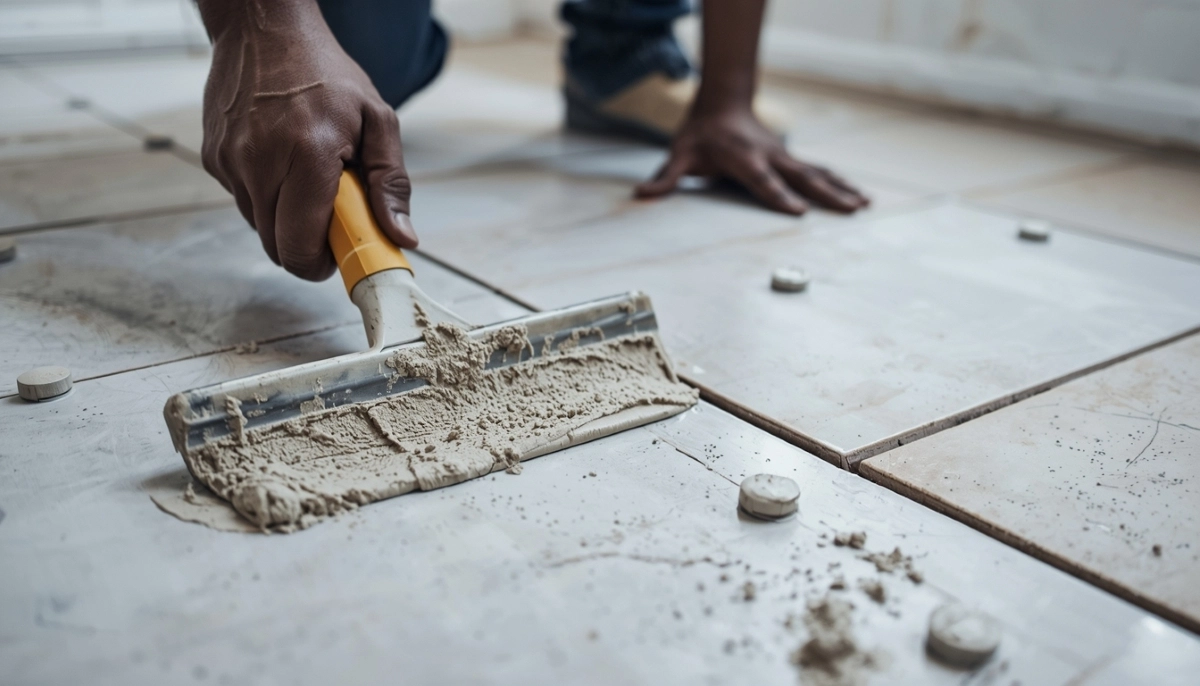
🤝 Matching vs Contrasting Grout: The Big Decision
The first decision in any grout colour matching process is whether to match or contrast your tiles.
| Approach | Best For | Effect | Maintenance | Risk |
|---|---|---|---|---|
| Matching (same colour family) | Large floors, seamless look, small spaces | Makes room feel larger, hides individual tile lines | Lower – imperfections less visible | Too bland if colours don’t match precisely |
| Contrasting (different colour) | Patterned tiles, feature walls, defined layouts | Highlights each tile, adds visual interest | Higher – contrasting lines show everything | Overwhelming if contrast is too harsh |
| Tone-on-tone (slightly lighter/darker) | Most residential applications | Subtle definition without high contrast | Moderate – best of both worlds | Hard to get exactly right |
When to choose matching grout:
- You want a seamless, monolithic look
- Your tiles have subtle variations you don’t want interrupted
- You’re tiling a small bathroom and want it to feel larger – read our tile patterns for small bathrooms guide
- Your tiles are already busy or highly patterned
- You prefer low-maintenance visual appeal
When to choose contrasting grout:
- You want to highlight a specific tile pattern like herringbone or hexagon
- Your tiles are a solid, simple colour that needs definition
- You’re creating a feature wall where tiles should stand out
- You have perfectly rectified tiles with precise edges to show off
- You want a bold, modern design statement
For current style inspiration, browse our modern tile design trends.
☀️ Light vs Dark Grout: Pros, Cons & Maintenance
Beyond matching or contrasting, you must also decide on the grout shade itself – light or dark.
🎁 Bonus Tip: The 50/50 Rule
If you’re torn between light and dark, go one shade lighter than your tile for a balanced, forgiving look that’s neither stark nor too heavy.
Light Grout (White, Off-White, Light Grey, Beige):
- Pros: Makes spaces feel larger and brighter, works with any tile colour, creates clean, fresh appearance, ideal for modern and Scandinavian designs
- Cons: Shows dirt, stains, and discolouration easily; requires regular cleaning; can look grimy in high-traffic areas
- Best for: Bathroom walls, kitchen backsplashes, low-traffic areas, light-coloured tiles, homeowners who clean regularly
Dark Grout (Charcoal, Black, Dark Brown, Navy):
- Pros: Hides dirt, stains, and imperfections; creates grounding, dramatic effect; lower maintenance appearance; ideal for floors and high-traffic areas
- Cons: Can make spaces feel smaller; may show dust and light-coloured debris; can overwhelm small rooms; harder to change later
- Best for: Floors, high-traffic areas, outdoor spaces, large rooms, homeowners who want lower maintenance
Medium Grout (Warm Grey, Taupe, Greige):
- Pros: Best of both worlds; forgiving on maintenance; works with most tile colours; timeless appeal
- Cons: Less dramatic than stark contrast or perfect matching; can look “safe” or boring
- Best for: Most residential applications, homeowners wanting balance, transitional design styles
Still Unsure About Grout Colour?
Let a professional tiler help you with grout colour matching. Get free quotes from verified specialists in your area.
🏠 Grout Colour Recommendations by Room
Different rooms have different demands. Here’s how to choose grout colour for each space in your home.
Bathroom Grout Colours:
- Walls: Light to medium grout (white, warm grey, off-white). Bathroom walls don’t get heavy traffic, so light grout stays cleaner longer. White grout with white subway tiles is classic for a reason.
- Floors: Medium to dark grout (charcoal, warm grey, taupe). Bathroom floors see water, soap scum, and dirt. Darker grout hides these better. Read our waterproof grouting guide.
- Shower floors: Dark grout only. Small mosaic shower floors with light grout look dirty within weeks. Go charcoal or dark grey.
Kitchen Grout Colours:
- Backsplash: Light to medium grout (warm grey, off-white, beige). The backsplash is visible but low-traffic. Light grout looks clean and fresh.
- Floors: Medium to dark grout (charcoal, taupe, greige). Kitchen floors see spills, dropped food, and heavy foot traffic. Darker grout is your friend.
Living Areas & Hallways:
- Floors: Medium grout (warm grey, taupe). These high-traffic areas need forgiving colours. Matching your tile colour closely hides dirt best.
Outdoor Areas (Patios, Balconies):
- Floors: Dark grout only. Outdoor tiles see dirt, leaves, and weather. Light grout outdoors is a maintenance nightmare. Go charcoal, dark grey, or brown.
🧱 Grout Colour Recommendations by Tile Type
Your tile type is just as important as the room when learning how to choose grout colour for tiles.
| Tile Type | Recommended Grout Colour | Why | Avoid |
|---|---|---|---|
| White Subway Tile | White or warm grey | White creates seamless classic look; warm grey adds definition without being stark | Dark colours (too harsh, looks like a checkerboard) |
| Grey or Beige Tile | Tone-on-tone (slightly lighter or darker) | Creates subtle definition without high contrast | White (shows every imperfection) or black (too harsh) |
| Dark Tile (Charcoal, Black, Navy) | Dark grey, charcoal, or matching dark tone | Maintains dramatic look without visible dirt lines | White or light colours (creates harsh grid pattern) |
| Patterned or Mosaic Tile | Match the dominant background colour | Lets the pattern be the star, not the grout lines | Contrasting colours (competes with pattern) |
| Natural Stone (Marble, Travertine) | Warm cream, beige, or matching stone tone | Enhances natural beauty without distraction | Pure white or dark charcoal (looks artificial) |
| Terracotta or Rustic Tile | Warm brown, terracotta tone, or sand | Complements earthy, rustic aesthetic | Cool greys or stark white (clashes with warmth) |

📊 Most Popular Grout Shades in South Africa
Based on thousands of installations across Gauteng, here are the most requested grout shade options.
- Warm Grey (#1 most popular): Works with almost any tile colour; forgiving on dirt; creates subtle definition without harsh contrast.
- White: Classic choice for subway tiles and bathroom walls; shows dirt but looks incredibly clean when maintained.
- Charcoal: Top choice for floors and high-traffic areas; hides everything; creates dramatic grounding effect.
- Taupe/Greige: Rising star; perfect neutral that bridges grey and beige; works with warm and cool tones.
- Off-White/Cream: Popular for natural stone and warmer tile colours; softer than pure white.
- Beige: Standard for traditional homes and earthy colour palettes.
- Dark Grey: Alternative to charcoal; slightly softer but still dirt-hiding.
For more design inspiration, see our tile design trends and small bathroom tile patterns.
🧪 How to Test Grout Colours Before Committing
Never commit to a grout colour without testing first. Here’s how to avoid costly mistakes.
Method 1: Grout Sample Sticks
Most tile shops sell small grout sample sticks or cards. Take these home and hold them against your actual tiles in your actual lighting. What looks perfect in the shop can look completely different in your home.
Method 2: Mix Small Batches
Buy small quantities of your top 2-3 grout colours. Mix each according to instructions and apply to a spare tile or piece of board. Let them cure fully (24-48 hours). The colour changes as it dries.
Method 3: Create a Mock-Up Board
For large or expensive projects, create a small mock-up board with 4-6 tiles and your top grout colours. Live with it for a few days. See how it looks in morning light, afternoon light, and evening artificial light.
Method 4: Digital Visualisation Tools
Some tile manufacturers offer online visualisation tools where you can upload a photo of your space and try different grout colours. Not perfect, but helpful for narrowing options.
⚠️ Warning: The Biggest Grout Colour Mistake
Never choose grout colour from a dry powder sample or a photo online. Grout colour changes significantly when mixed with water and again as it cures. Always test with actual mixed product on your actual tiles.

🚫 Common Grout Colour Mistakes to Avoid
⚠️ Warning: These Grout Colour Mistakes Ruin Tile Installations
Avoid these errors when learning how to choose grout colour for tiles.
- Choosing white grout for floors: White grout on any floor that sees foot traffic will look dirty within weeks. Save white grout for walls only.
- Going too dark with small tiles: Dark grout with small tiles (like mosaics) creates a busy, fragmented look. Light to medium grout is usually better.
- Ignoring your grout line size: Wide grout lines (5mm+) make your chosen colour much more prominent. Narrow lines (1-2mm) are more forgiving.
- Forgetting about future cleaning: That beautiful white grout in your shower? It will need sealing and regular scrubbing. Be honest about your maintenance willingness.
- Choosing based on trends alone: What’s popular on Instagram may not work for your home, your lifestyle, or your tile. White grout with everything was a trend. It doesn’t work for everyone.
- Not testing with your actual lighting: Grout colour changes dramatically under different light. Test in your space, not at the shop.
- Using stark white with warm tiles: White grout has cool undertones. With warm beige or cream tiles, it can look stark and mismatched. Use off-white or cream instead.
For more installation guidance, read our durable grouting guide and grout crack repair.
⭐ Pro Tips for Perfect Grout Colour Selection
These insider techniques will help you master grout colour matching.
- Buy extra from the same batch: Grout colours can vary between batches. Buy all you need plus 20% extra from the same production run for consistency.
- Save your grout colour formula: Write down the brand, product name, and colour code. Store it with your home maintenance records. You’ll need it for future repairs.
- Consider epoxy grout for problem areas: Epoxy grout doesn’t stain like cement grout. It’s more expensive but worth it for white grout in kitchens or light grout in bathrooms. Read our tiling services for more.
- Use grout colourant to fix mistakes: Already installed the wrong colour? Grout colourants can change grout colour without removing and replacing. It’s a great backup option.
- Think about your grout line width: 2mm lines are subtle and more forgiving; 5mm lines make your colour choice a major design statement. Adjust your colour choice accordingly.
- Seal light grout immediately: If you choose white or light grout, seal it immediately after curing. Re-seal annually. This prevents 90% of staining issues.
📋 Complete Grout Colour Comparison Table
Use this table as your final tile grout colour selection guide cheat sheet.
| Tile Colour | Matching (Seamless) | Tone-on-Tone (Subtle) | Contrasting (Bold) | Best For |
|---|---|---|---|---|
| White | White | Warm grey, off-white | Charcoal, black | Warm grey (most versatile) |
| Light Grey | Light grey | Medium grey, warm grey | White, charcoal | Medium grey (balanced definition) |
| Beige/Cream | Beige | Taupe, warm cream | White, dark brown | Taupe or warm cream (enhances warmth) |
| Blue/Green | Matching colour | Light grey, warm grey | White, charcoal | Light grey (lets colour shine) |
| Dark Grey/Charcoal | Dark grey | Charcoal, black | White, light grey | Charcoal (dramatic cohesion) |
| Terracotta/Warm Earth | Terracotta tone | Warm brown, sand | Cream, dark brown | Warm brown (earthy harmony) |
❓ Frequently Asked Questions About Grout Colour Selection
What is the most popular grout colour in South Africa?
Warm grey is the most popular grout shade across South Africa. It works with almost any tile colour, hides dirt well, and creates subtle definition without harsh contrast. For floors, charcoal is the top choice. For white subway tiles, white or warm grey remain classics.
Should grout be lighter or darker than tile?
When learning how to choose grout colour for tiles, the safest rule is tone-on-tone: go one shade lighter or darker than your tile. Matching creates seamless flow. Contrasting creates definition. For floors, go slightly darker. For walls, go slightly lighter. Avoid stark opposites unless you’re making a bold design statement.
What grout colour hides dirt best?
Dark grout colours like charcoal, dark grey, and dark brown hide dirt, stains, and discolouration best. Medium tones like warm grey and taupe are next best. White and light grout show everything. For floors in high-traffic areas like kitchens, hallways, and bathrooms, always choose medium to dark grout shade options.
Can I change my grout colour after installation?
Yes – grout colourants and stains can change existing grout colour without removal. This is much cheaper and less messy than re-grouting. Colourants work best for going darker. Going lighter is harder. For major changes, professional re-grouting is recommended. Read our grout repair guide for more.
What grout colour is best for a small bathroom?
For grout colour matching in a small bathroom, use light to medium grout that matches or is slightly lighter than your wall tiles. This creates a seamless look that makes the space feel larger. For floors, use medium to dark grout. Avoid high contrast in small spaces – it creates visual clutter and makes the room feel smaller.
Does white grout stain easily in a shower?
Yes – white grout in showers stains easily from soap scum, hard water, and body oils. To prevent this, use epoxy grout (stain-proof) or seal cement grout immediately and re-seal every 6-12 months. For most homeowners, a light grey or warm grey grout in showers is more practical while still looking clean.
What grout colour with grey tiles?
For grey tiles, the best choose grout colour approach is tone-on-tone. Use a medium grey or warm grey grout that’s slightly lighter or darker than your tiles. Avoid white (too harsh) and pure black (too heavy). Warm grey works with both cool and warm-toned grey tiles, making it the most versatile choice.
Do tilers help with grout colour selection?
Professional tilers typically offer advice on grout colour matching but the final decision is yours. A good tiler will show you samples, explain how different colours affect the final look, and warn you about maintenance implications. Use our tiling services to find tilers in Gauteng, Johannesburg, and Sandton who can guide you.
✅ Final Thoughts: Your Perfect Grout Colour Awaits
Choosing grout colour feels overwhelming, but it doesn’t have to be. Start with your tile, consider your room and traffic patterns, decide on matching vs contrasting, then narrow down to 2-3 options. Test those options in your actual space with your actual lighting. And don’t be afraid to ask for help.
Key takeaways from this tile grout colour selection guide:
- Grout makes up 5-15% of your visible surface – it matters
- Matching grout creates seamless flow; contrasting grout defines individual tiles
- Light grout looks fresh but shows dirt; dark grout hides dirt but can feel heavy
- Bathroom walls: light to medium grout; floors and showers: medium to dark grout
- Kitchen backsplash: light to medium; kitchen floors: medium to dark
- Always test grout colours in your space before committing
- Warm grey is the most versatile and popular choice in South Africa
- Seal light grout immediately and re-seal regularly
- For help, use ServiceLink SA to find verified tiling specialists
Your next step: Ready to choose your grout colour and get your tiling project started? Get free quotes from verified tiling specialists near you.
Ready to Start Your Tiling Project?
Get free quotes from verified tiling specialists who can help with grout colour matching and professional installation.
📞 Call us: 073 138 4726 to discuss your tiling project.
📚 Official resources & standards referenced:
- SANS 10400 – South African National Standard for grout standards, durability requirements, and building regulations.
- SABS – South African Bureau of Standards for colour standards, material specifications, and quality benchmarks.
Information provided for general guidance. Grout colour appearance varies based on lighting, tile colour, and application technique. Always test in your specific space.
Written by: ServiceLink SA Research Team
Specialist Tiling & Design Finishing Experts
The ServiceLink SA Research Team has extensive experience with tile installation, grouting techniques, and design consultation across thousands of South African homes. Our team has worked closely with professional tilers, interior designers, and homeowners to develop best practices for grout colour matching and selection. This tile grout colour selection guide distills years of practical experience into actionable advice for creating stunning, durable tile installations that stand the test of time.
For more information about tiling and grout, explore our related resources: grouting and waterproofing guide, grout crack repair guide, tile design trends, and small bathroom tile patterns. Learn about our process on what is ServiceLink SA and how ServiceLink SA works. Find tilers in your area: Gauteng, Johannesburg, and Sandton. For related services, see our painting services and tiling services guides.