
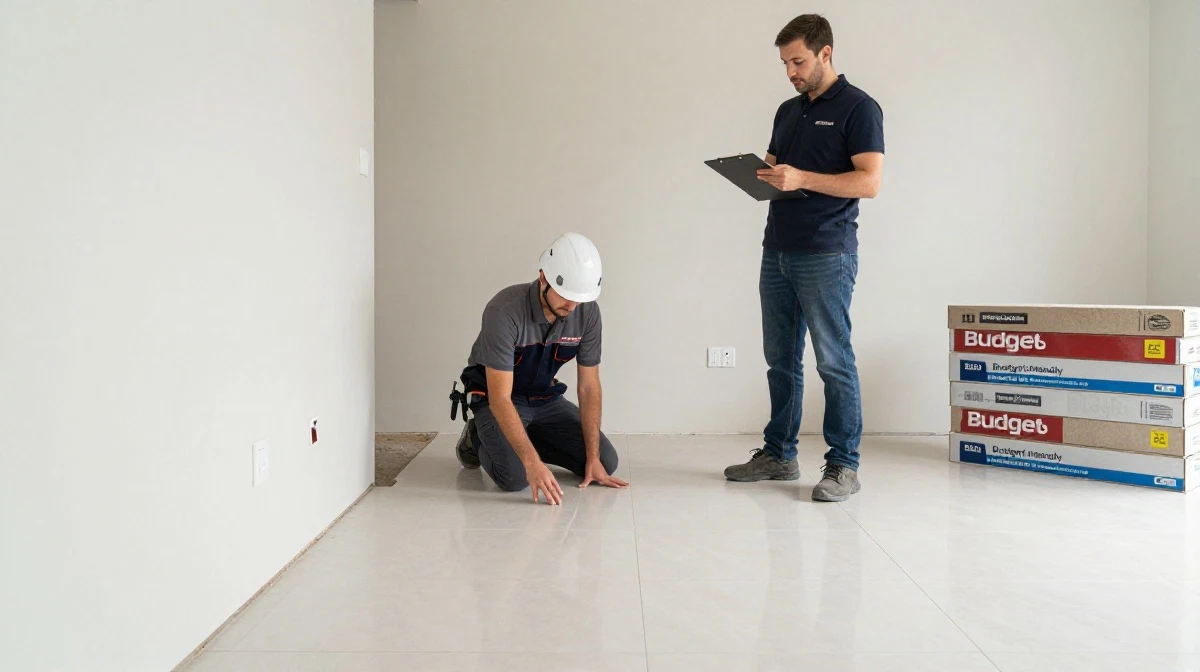
Own a Rental Property?
Get free quotes from verified tiling contractors who specialise in durable, tenant-friendly landlord tiling.
Servicing Gauteng, Johannesburg, Pretoria, and across South Africa
Tiling for Rental Properties: Durable Flooring Solutions for Landlords SA
🏘️ Smart flooring choices that survive tenants, reduce maintenance, and protect your investment
You own a rental property. You want flooring that looks good, attracts quality tenants, and survives whatever gets thrown at it – literally. But you also don’t want to spend a fortune or replace it every time a tenant moves out.
I’ve advised hundreds of landlords across Gauteng, Johannesburg, and Pretoria on tiling for rental properties durable flooring strategies. The right choices save you thousands in turnover costs. The wrong choices leave you repairing or replacing floors every few years.
In this complete guide to landlord tiling, I’ll answer best tiling for rental properties across every factor – durability, cost, maintenance, and tenant appeal. You’ll learn about the toughest tile materials, smart installation choices, cost-effective options, and maintenance strategies that keep your rental floor tiles looking good between tenants. By the end, you’ll have a clear plan for tenant flooring that protects your investment.
For more cost information, check out our guides on affordable tiling options, tile maintenance tips, tile vs vinyl cost comparison, and scratch-resistant flooring for pets.
📋 Table of Contents – Rental Property Tiling Guide
🏠 Why Tile Is Ideal for Rental Properties
Tiling for rental properties durable flooring offers significant advantages over carpet, laminate, or vinyl:
Benefits of Tile in Rentals:
- Extremely durable: Withstands furniture dragging, dropped items, high heels, pet claws – read pet-friendly flooring guide
- Water-resistant: Porcelain tiles are nearly waterproof – no water damage from spills or wet shoes
- Stain-resistant: Glazed tiles don’t absorb wine, coffee, or oil – read cleaning guide
- Easy to clean: Sweep and mop – no special cleaners or equipment
- Allergen-free: No carpet fibres to trap dust, pollen, or pet dander
- Long lifespan: Quality tiles last 20-30+ years – read maintenance tips
- Increases property value: Tile floors are a selling/renting feature
- Lower turnover costs: No carpet replacement between tenants
Why Not Carpet?
- Stains permanently (wine, pet accidents)
- Wears out in 3-7 years in rentals
- Traps odours and allergens
- Must be replaced between many tenancies
- Tenants don’t always treat it well
For a full comparison, read our tile vs vinyl cost guide.
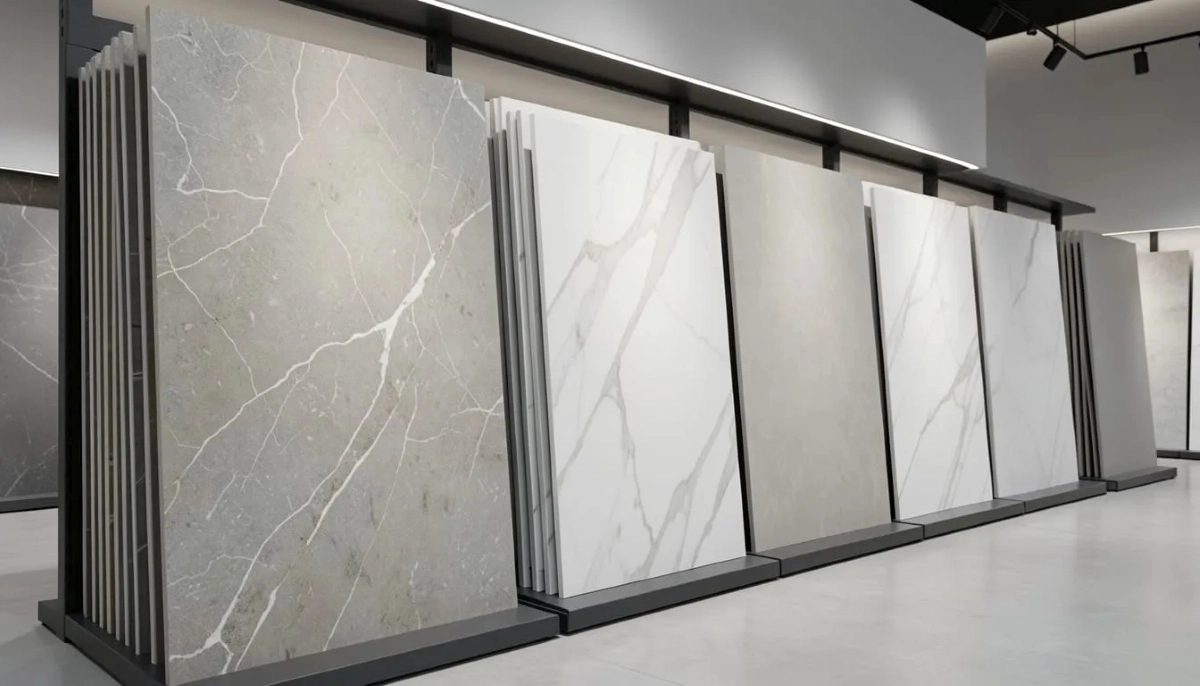
🧱 Best Tile Types for Rental Properties
Answering best tiling for rental properties starts with material selection:
| Tile Type | Cost/m² | Durability | Maintenance | Rental Rating | Best For |
|---|---|---|---|---|---|
| Porcelain (Value) | R180 – R250 | ⭐⭐⭐⭐⭐ | Very Low | ⭐⭐⭐⭐⭐ | Entire property – best value) |
| Porcelain (Standard) | R250 – R450 | ⭐⭐⭐⭐⭐ | Very Low | ⭐⭐⭐⭐⭐ | High-traffic areas, luxury rentals) |
| Ceramic (Budget) | R80 – R150 | ⭐⭐⭐ | Low | ⭐⭐⭐ | Walls, low-traffic rentals |
| Ceramic (Standard) | R150 – R250 | ⭐⭐⭐⭐ | Low | ⭐⭐⭐⭐ | Kitchens, bathrooms walls |
| Vinyl (LVT) | R150 – R300 | ⭐⭐⭐ | Low | ⭐⭐⭐ | Budget rentals, temporary flooring |
| Quarry Tile | R200 – R350 | ⭐⭐⭐⭐⭐ | Moderate (sealing) | ⭐⭐⭐⭐ | Utility areas, garages |
Top Recommendation for Landlords: Value porcelain (R180-250/m²) offers the best balance of durability, low maintenance, and reasonable cost. It withstands tenant wear and tear for decades.
Budget Alternative: Standard ceramic (R150-250/m²) works for walls and low-traffic rentals but is less durable on floors.
For a complete visual comparison, see the tile type comparison chart.
💪 Durability Factors – PEI Ratings & Wear Resistance
For rental floor tiles, look beyond appearance to these durability metrics:
PEI Rating (Porcelain Enamel Institute) – Wear Resistance:
- PEI 0-1: Walls only – NOT for floors
- PEI 2: Light residential – bathrooms only, light traffic
- PEI 3: Standard residential – good for most rentals
- PEI 4: Heavy residential / light commercial – ideal for rentals
- PEI 5: Commercial – overkill but very durable
Recommended for Rentals: PEI 3 minimum, PEI 4 preferred for high-traffic areas (kitchens, hallways, living rooms).
Water Absorption:
- Porcelain: 0.1-0.5% – virtually waterproof, ideal for rentals
- Ceramic: 3-7% – can absorb moisture, not ideal for wet areas
- Natural stone: 0.5-5% – requires sealing, higher maintenance
Slip Resistance (R-Rating):
- R10 minimum for rental properties
- R11 recommended for bathrooms and kitchens
- Read our non-slip requirements guide
For more on durability, read our tile maintenance tips guide.
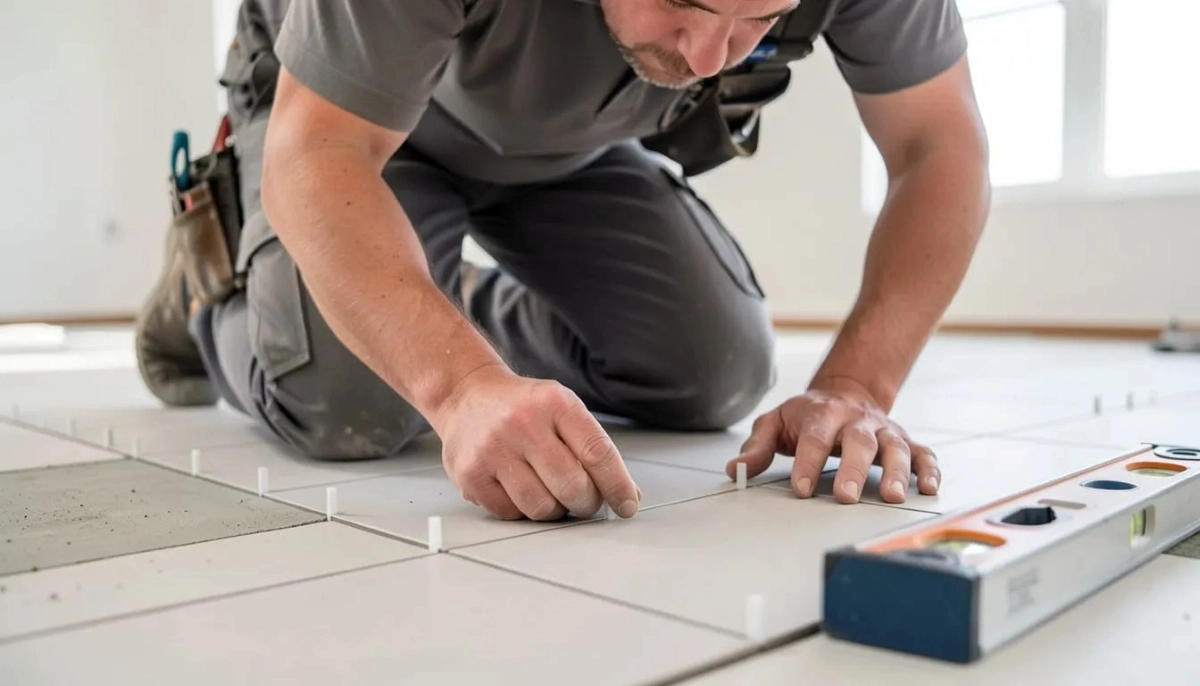
Need Durable Tiling for Your Rental Property?
Get free quotes from verified tiling contractors who specialise in tiling for rental properties durable flooring solutions.
Free inspections available. Beat Your Quote guarantee.
💰 Cost-Effective Options for Landlords
Rental floor tiles on a budget – here’s how to save without sacrificing durability:
Where to Save:
- Tile colour: Neutral colours (beige, grey, cream) – cheaper and appeal to more tenants
- Tile size: 300x300mm or 400x400mm – standard sizes are most affordable – read affordable tiling guide
- Pattern: Straight lay – cheapest installation, no pattern premium
- Source: Discount tile warehouses, end-of-season sales, overstock – read budget tiling guide
- DIY prep: Remove old flooring yourself before tiler arrives
Where NOT to Save:
- Adhesive and grout: Quality products prevent failures – read adhesives guide
- Professional installation: Poor installation leads to cracked tiles and lippage – read professional tiler guide
- PEI rating: Don’t buy PEI 2 for floors – it will wear quickly
- Waterproofing in bathrooms: Essential – read waterproofing guide
Cost-Saving Summary: Value porcelain (R180-250/m²) in neutral colours, 300x300mm or 400x400mm, straight lay pattern. Get multiple quotes – use our free quote service.
🔧 Installation Tips for Rental Properties
Smart installation choices for landlord tiling:
Recommendations:
- Use epoxy grout: Non-porous, stain-resistant, won’t harbour bacteria – slightly more expensive but worth it for rentals
- Install expansion joints: Prevents cracking from temperature changes – read leveling system guide
- Seal grout after installation: Even with epoxy, sealing adds protection – read sealing guide
- Keep spare tiles: Buy 10-15% extra and store in a dry place – for future repairs
- Document everything: Keep product names, batch numbers, and installer warranty – read warranty guide
- Consider continuous flooring: Same tile throughout reduces transitions and looks larger
Subfloor Preparation:
- Ensure subfloor is flat – uneven floors cause cracked tiles – read leveling guide
- Waterproof wet areas (bathrooms, kitchens) – read waterproofing guide
Read our installation cost guide for pricing.
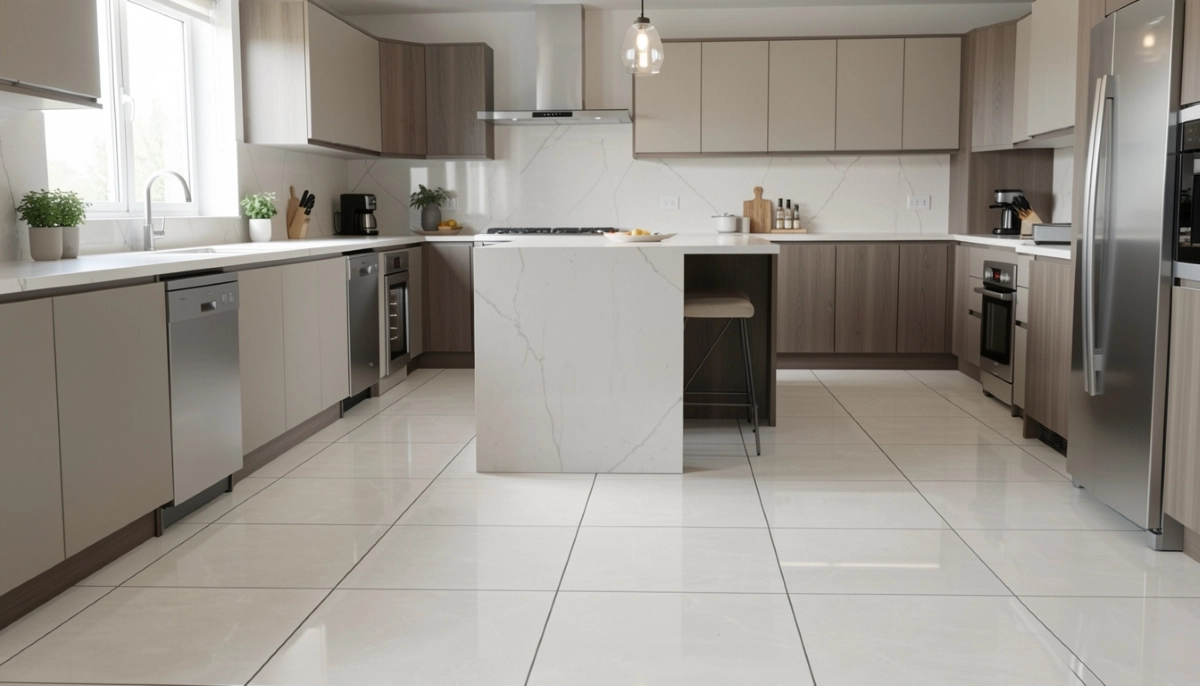
🧹 Low-Maintenance Strategies for Landlords
Keeping tenant flooring in good condition with minimal effort:
In the Lease Agreement:
- Require tenants to sweep/vacuum regularly (grit scratches tiles)
- Require prompt spill cleanup (especially wine, coffee, oil)
- Prohibit dragging furniture without protection
- Provide cleaning guidelines – read tile cleaning methods
Annual Maintenance:
- Inspect for cracked grout or tiles – repair promptly – read grout repair guide
- Check sealer effectiveness (water drop test) – read sealing guide
- Reseal grout every 2-3 years
Between Tenants (Turnover Cleaning):
- Deep clean grout – oxygen bleach paste – read stain removal guide
- Inspect for damage – replace any cracked tiles – read cracked tile repair
- Check for hollow sounds – read hollow tiles guide
- Reseal grout if needed
For complete maintenance guidance, read our tile maintenance tips guide.
🔄 Turnover Preparation – Between Tenants
Efficient turnover keeps your rental floor tiles looking new:
Step-by-Step Turnover Process:
- Deep clean all tiles: Use pH-neutral tile cleaner – read cleaning guide
- Clean grout lines: Oxygen bleach paste, scrub, rinse – read grout cleaning guide
- Inspect for damage: Cracked tiles, loose tiles, hollow sounds
- Repair any issues: Replace cracked tiles – read cracked tile repair
- Check grout condition: Re-grout if needed – read grout repair guide
- Reseal grout: Apply penetrating sealer – read sealing guide
- Document condition: Take photos for deposit records
Cost of Turnover vs Replacement:
Turnover cleaning and minor repairs: R500-2,000. Full tile replacement: R15,000-40,000+. Proper maintenance prevents expensive replacement.
🚫 What to Avoid in Rental Properties
⚠️ Warning: These Flooring Choices Are Problematic for Rentals
Avoid these mistakes when selecting tiling for rental properties durable flooring.
- White or very light grout: Shows dirt immediately – choose medium grey, beige, or tan
- High-gloss tiles: Show every footprint and scratch – choose matte or satin finish
- Natural stone (marble, travertine): Too delicate, etches from acids, requires high maintenance
- Cheap ceramic (under R80/m²): Poor quality, cracks easily, uneven sizes
- Small mosaics (many grout lines): Harder to clean, more maintenance
- Patterned or trendy tiles: May date quickly and turn off future tenants
- DIY installation (unless you’re experienced): Mistakes are expensive – read lippage guide
- Unsealed grout: Absorbs stains permanently – always seal – read sealing guide
For pet-friendly rentals, read our scratch-resistant flooring guide.

💰 Real Cost Examples for Rental Units
Here are realistic costs for landlord tiling in typical rental properties:
Example 1: Studio Apartment (25m²) – Value Porcelain
- Tiles: 25m² × R200 = R5,000
- Labour: 25m² × R180 = R4,500
- Adhesive & grout (epoxy): R1,200
- Preparation (DIY removal): R0
- Total: R10,700
- Expected lifespan: 20-30 years
- Annual cost over 20 years: R535
Example 2: 2-Bedroom Unit (50m²) – Standard Ceramic (Budget Option)
- Tiles: 50m² × R130 = R6,500
- Labour: 50m² × R170 = R8,500
- Adhesive & grout: R1,500
- Preparation (professional removal): R2,000
- Total: R18,500
- Expected lifespan: 15-20 years
- Annual cost over 15 years: R1,233
Example 3: Full House (100m²) – Value Porcelain (Best Value)
- Tiles: 100m² × R220 = R22,000
- Labour: 100m² × R180 = R18,000
- Adhesive & grout (epoxy): R2,500
- Preparation: R3,000
- Total: R45,500
- Expected lifespan: 25-30 years
- Annual cost over 25 years: R1,820
For comparison, carpet in the same 100m² house would cost R25,000-35,000 but need replacement every 5-7 years – annual cost R3,500-7,000. Tile is significantly cheaper over time.
Read our affordable tiling guide for more budget options.
📈 ROI Analysis – Is Tiling Worth It for Landlords?
Tiling for rental properties durable flooring – the numbers:
| Flooring Type | Initial Cost (100m²) | Lifespan | Annual Cost | Turnover Cost (5 years) | 20-Year Total |
|---|---|---|---|---|---|
| Value Porcelain Tile | R45,000 | 25+ years | R1,800 | R500 (cleaning) | R55,000 |
| Standard Ceramic Tile | R35,000 | 15-20 years | R2,000 | R500 | R45,000 |
| Vinyl (LVT) | R25,000 | 10-15 years | R2,000 | R1,000 | R50,000 |
| Carpet (Budget) | R20,000 | 5-7 years | R3,300 | R20,000 (replace) | R80,000+ |
| Laminate | R18,000 | 5-10 years | R2,500 | R10,000 | R60,000 |
Verdict: Value porcelain tile offers the best long-term value for rental properties. Higher upfront cost is recouped through lower annual costs and fewer replacements.
Read our tile vs vinyl cost guide for detailed comparison.
❓ Frequently Asked Questions About Rental Property Tiling
What is the best tiling for rental properties?
The best tiling for rental properties is value porcelain (R180-250/m²) with PEI 4 rating, matte finish, and neutral colour (beige, grey, cream). Porcelain is extremely durable, water-resistant, stain-resistant, and easy to clean – perfect for tenant wear and tear. Use epoxy grout for stain resistance and seal annually.
Is tile flooring good for rental properties?
Yes – tiling for rental properties durable flooring is an excellent choice. Tile outlasts carpet (20-30+ years vs 5-7 years), doesn’t stain permanently, is easy to clean, and increases property value. The higher upfront cost is offset by much lower long-term maintenance and replacement costs. For landlord tiling, porcelain is the top recommendation.
How much does it cost to tile a rental apartment?
A studio apartment (25m²) costs R8,000-15,000 for value porcelain. A 2-bedroom unit (50m²) costs R15,000-25,000. A full house (100m²) costs R30,000-50,000. These are one-time costs – tile lasts 20-30 years. Compare to carpet replacement every 5-7 years at R20,000-35,000 each time. Read our affordable tiling guide.
What grout is best for rental property tiles?
Epoxy grout is best for rental floor tiles. It’s non-porous, stain-resistant, waterproof, and won’t harbour bacteria or mould. It costs more than cement grout but lasts much longer and requires less maintenance. Choose medium grey or tan grout – white shows dirt. Read our grouting guide for more.
Can tenants damage tile floors?
Tile is very durable, but tenants can cause damage: dropping heavy objects (cracking), dragging furniture without protection (scratching), neglecting spills (staining grout), or improper cleaning (using abrasive cleaners). Protect your investment by requiring proper care in the lease agreement and providing cleaning guidelines. Read our cleaning guide for tenant instructions.
Should I tile the whole rental property or just wet areas?
Tiling the whole property (continuous flooring) is often best – it creates a cohesive look, reduces transitions, and simplifies cleaning. At minimum, tile bathrooms, kitchens, and entryways. Bedrooms and living rooms can be tiled or use other flooring. Continuous tile throughout increases property value and reduces tenant complaints about different flooring types.
How do I maintain tile floors between tenants?
Between tenants: deep clean tiles (pH-neutral cleaner), clean grout with oxygen bleach, inspect for damage (cracked tiles, hollow sounds), repair any issues, reseal grout if needed, and document condition with photos. Turnover cleaning costs R500-2,000 – much less than carpet replacement (R20,000+). Read our maintenance tips guide.
Is vinyl or tile better for rental properties?
Tile (porcelain) is better for long-term value. Vinyl (LVT) costs less upfront (R150-300/m² vs R180-250/m² for value porcelain) but lasts 10-15 years vs 20-30+ years for tile. Tile is more durable, water-resistant, and increases property value more. For a property you’ll own long-term, tile is the better investment. Read our tile vs vinyl comparison.
✅ Final Thoughts: Smart Flooring, Happy Landlords
Tiling for rental properties durable flooring is one of the smartest investments a landlord can make. Value porcelain tiles offer the perfect balance of durability, low maintenance, and reasonable cost. They survive tenant wear and tear, clean up easily between tenancies, and last for decades.
Yes, the upfront cost is higher than carpet or vinyl. But over 20 years, tile saves you thousands in replacement costs and turnover expenses. Plus, quality tile flooring attracts better tenants and increases your property’s value.
Key takeaways for rental property tiling:
- Value porcelain (R180-250/m²) with PEI 4 rating is best for rentals
- Neutral colours (beige, grey, cream) appeal to most tenants
- Epoxy grout is worth the extra cost – stain-resistant and durable
- Matte finish hides scratches and footprints better than glossy
- Include cleaning requirements in lease agreements
- Tile lasts 20-30 years – much longer than carpet (5-7 years)
- Use our Beat Your Quote guarantee and workmanship guarantees
Your next step: Ready to install durable, tenant-proof flooring? Get free quotes from verified tiling contractors who specialise in landlord tiling solutions.
Ready to Install Durable Tiling in Your Rental Property?
Get free quotes from verified tiling contractors who specialise in tiling for rental properties durable flooring solutions.
📞 Call us: 073 138 4726 to discuss your rental property flooring.
Free inspections •
Beat Your Quote guarantee •
Workmanship guarantees
Are You a Tiling Professional?
Join ServiceLink SA’s network of verified tiling contractors. Get qualified leads for rental property and residential projects.
📚 Official resources & standards referenced:
- SANS 10400 – South African National Standard for durability standards and installation requirements.
- SABS – South African Bureau of Standards for wear resistance and quality specifications.
Information provided for general guidance. Rental property requirements vary – consult local regulations and qualified professionals.
Written by: ServiceLink SA Research Team
Property Investment & Flooring Specialists
The ServiceLink SA Research Team has worked with hundreds of landlords across South Africa, analysing flooring choices that maximise ROI and minimise turnover costs. Our team understands the unique challenges of tiling for rental properties durable flooring – balancing upfront cost with long-term durability. This guide distills years of landlord experience into practical advice for protecting your investment.
For more information about rental property tiling, explore our related resources: affordable tiling options, tile maintenance tips, tile vs vinyl cost comparison, and scratch-resistant flooring for pets. Learn about our process on what is ServiceLink SA and how our service works. Find tilers in your area: Gauteng, Johannesburg, and Pretoria. For related services, see our flooring services and cleaning services guides.